- Every Visit, Every Time
What's Included in Every Energy Engagement
Every JAM energy engagement starts with a free facility audit and moves through implementation to ongoing monitoring — all under one program, all documented with before-and-after savings data.
- Why It Matters
Beyond Lower Bills — What a JAM Energy Program Delivers
Energy management delivers more than just utility savings. Here’s the full picture of what JAM clients gain from an active efficiency program.
Measurable, Documented Savings
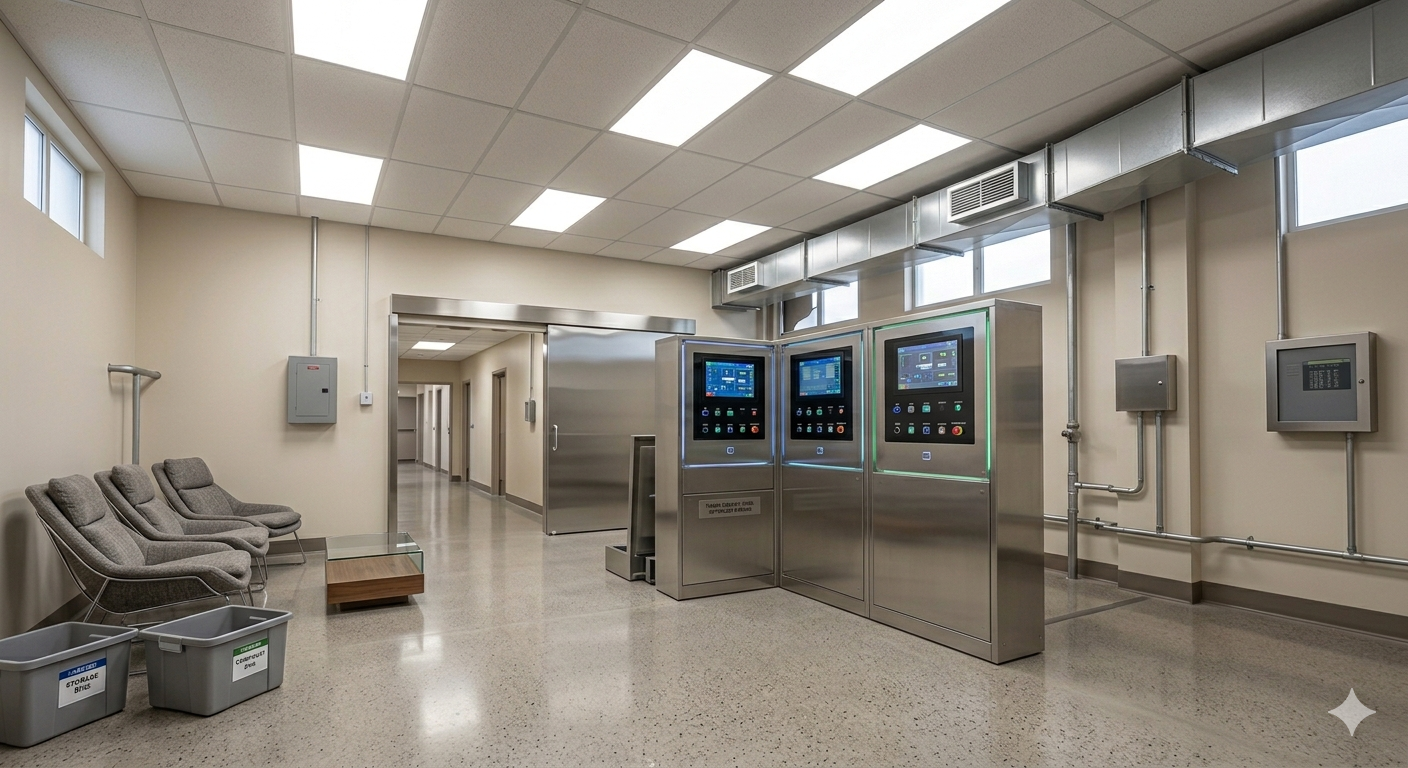
Unlike vague efficiency claims, JAM quantifies every improvement against a documented baseline. You see exactly how much each measure saved — in dollars, kilowatt-hours, and percentage reduction — with monthly tracking that validates the investment over time.
22% avg. energy cost reduction for JAM clients
Extended Equipment Life
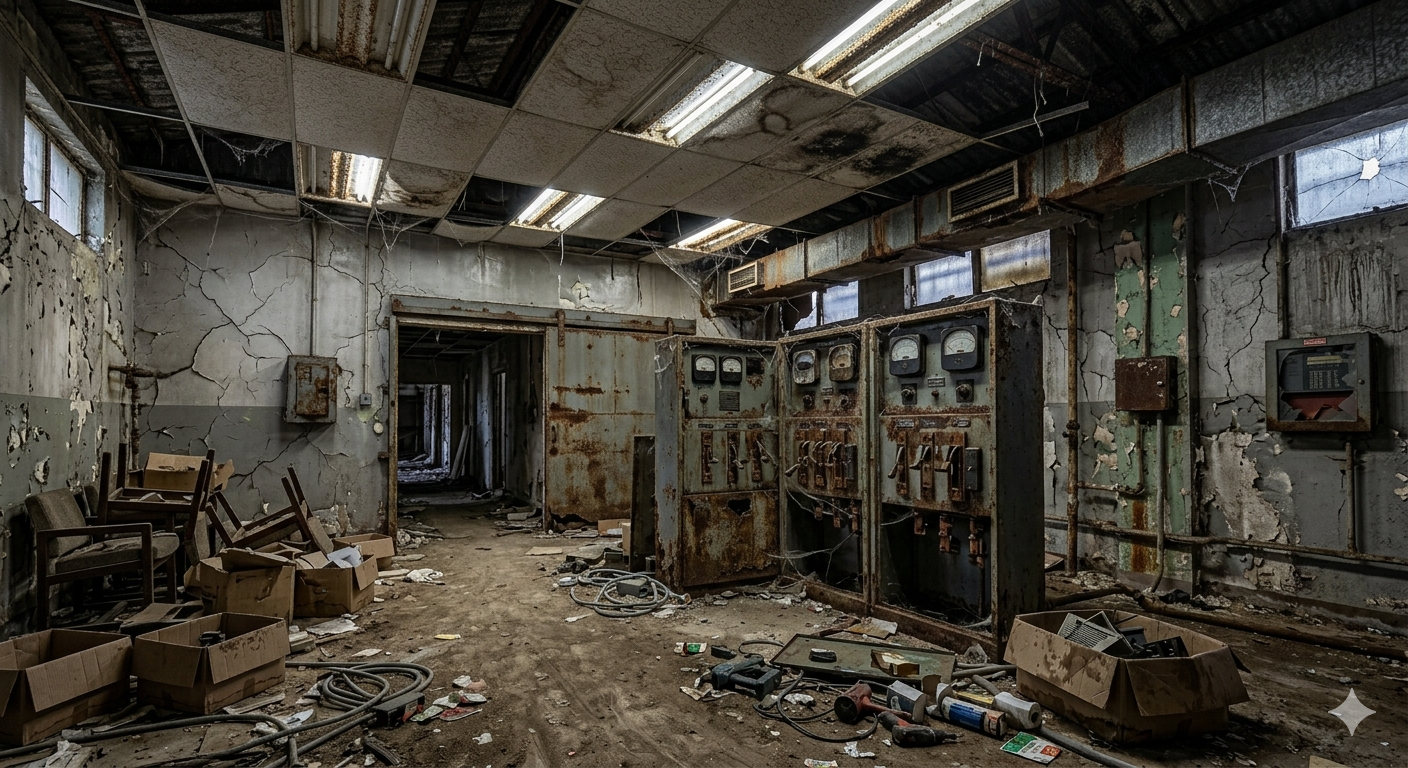
HVAC systems running at optimized efficiency experience less thermal stress, fewer compressor cycles, and reduced wear on fan motors and controls. Energy optimization and equipment longevity are the same work — a well-tuned system runs longer and fails less.
Optimized systems last 3–5 years longer
Early Fault Detection
A sudden spike in energy consumption on a monitored circuit is often the first signal of a failing compressor, a stuck damper, or HVAC equipment going into defrost override. JAM's ongoing monitoring catches these anomalies before they become emergency service calls — turning energy data into a preventive maintenance signal.
Consumption spikes = early equipment warnings
ESG & Sustainability Reporting
Corporate clients, investors, and enterprise procurement teams increasingly require documented sustainability performance from their supply chain partners. JAM's efficiency reports provide the carbon footprint reduction data, utility cost improvement records, and LED retrofit documentation needed for ESG reporting and client-facing sustainability commitments.
Ready for ESG and client sustainability audits
Improved Worker Comfort & Productivity
Optimized HVAC systems maintain more consistent temperatures and air circulation — reducing hot and cold spot complaints, improving air quality, and creating a more comfortable working environment. Worker productivity and comfort have a measurable correlation to thermal consistency in facilities.
Consistent temps reduce worker complaints
Single-Partner Audit & Implementation
The gap between an energy audit and implemented improvements is where most programs fail — the audit gets done, the report gets filed, and nothing changes. As both the auditor and the implementation contractor, JAM eliminates that gap. Findings become projects; projects become savings.
No gap between audit and action
- The JAM Process
From Audit to Savings in Four Steps
JAM handles the full cycle — assessment, improvement, monitoring, and reporting — so you don’t need to manage multiple parties to achieve and sustain energy savings.
Energy Audit
JAM walks your facility, assessing all major energy-consuming systems. Every finding is documented with estimated waste, recommended improvement, approximate cost, and projected annual savings.
Prioritized Action Plan
Findings are ranked by payback period and presented in a written plan. You decide which improvements to authorize — quickest wins first, or highest-impact first. JAM can implement all of them or just the top priorities.
Implementation
JAM executes approved improvements directly — HVAC recalibration, LED lighting retrofits, controls installation, and scheduling changes. No separate contractors, no coordination gap between the audit and the work.
Monitor & Report
Post-implementation, JAM tracks actual energy consumption against baseline and delivers periodic reports showing your savings in dollars and percentages. Ongoing monitoring catches new efficiency issues before they compound.
- Proven Results
Energy Savings We've Delivered for Real Clients
Documented outcomes from JAM energy saving programs at active client sites across Central Ohio.
HVAC Optimization & Production Floor LED Retrofit
Following JAM's comprehensive HVAC PM program launch at the plant, a full energy audit identified significant additional savings potential in HVAC controls calibration and production floor lighting. All 17 high-bay fluorescent fixtures across the production floor were replaced with commercial LED fixtures, and HVAC scheduling controls were recalibrated against operational schedules.
- 63% reduction in production floor lighting costs following LED retrofit.
- 17% reduction in HVAC energy spend through controls recalibration.
- LED retrofit ROI achieved in 22 months through energy savings alone.
- Full savings documentation provided for corporate sustainability reporting.
Smart Controls Implementation & Energy Monitoring Program
JAM's energy audit at the distribution center identified two primary waste sources: HVAC systems running at full conditioning during non-sort hours, and a significant lighting zone staying fully lit during shift gaps. Programmable scheduling controls were installed on four HVAC units and three lighting zones, with ongoing monitoring configured to alert on consumption anomalies.
- 19% reduction in total facility energy costs within first 8 months.
- After-hours HVAC waste eliminated — setback controls synchronized to sort schedule.
- 1 equipment failure detected early via monitoring consumption spike — repaired before full failure.
- Controls investment recovered in 11 months through documented utility savings.
Warehouse LED Retrofit & Utility Benchmarking Launch
The facility had operated on aging metal halide high-bay lighting that required 30-minute warm-up cycles and ran continuously to avoid restart delays. JAM's energy audit quantified the waste and proposed a full LED retrofit with instant-on capability. Post-retrofit, JAM established a utility benchmarking program across all locations to enable cross-facility efficiency comparison.
- 58% reduction in lighting energy costs post-LED retrofit.
- Metal halide warm-up eliminated — instant-on LEDs enable zone controls not previously possible.
- Occupancy-based zone controls added — unoccupied dock bays now dim to 30% automatically.
- Multi-site benchmarking established — Lockbourne now ranked most efficient location.
- Who We Serve
Energy Saving Programs Built for These Facility Types
Commercial Office Buildings
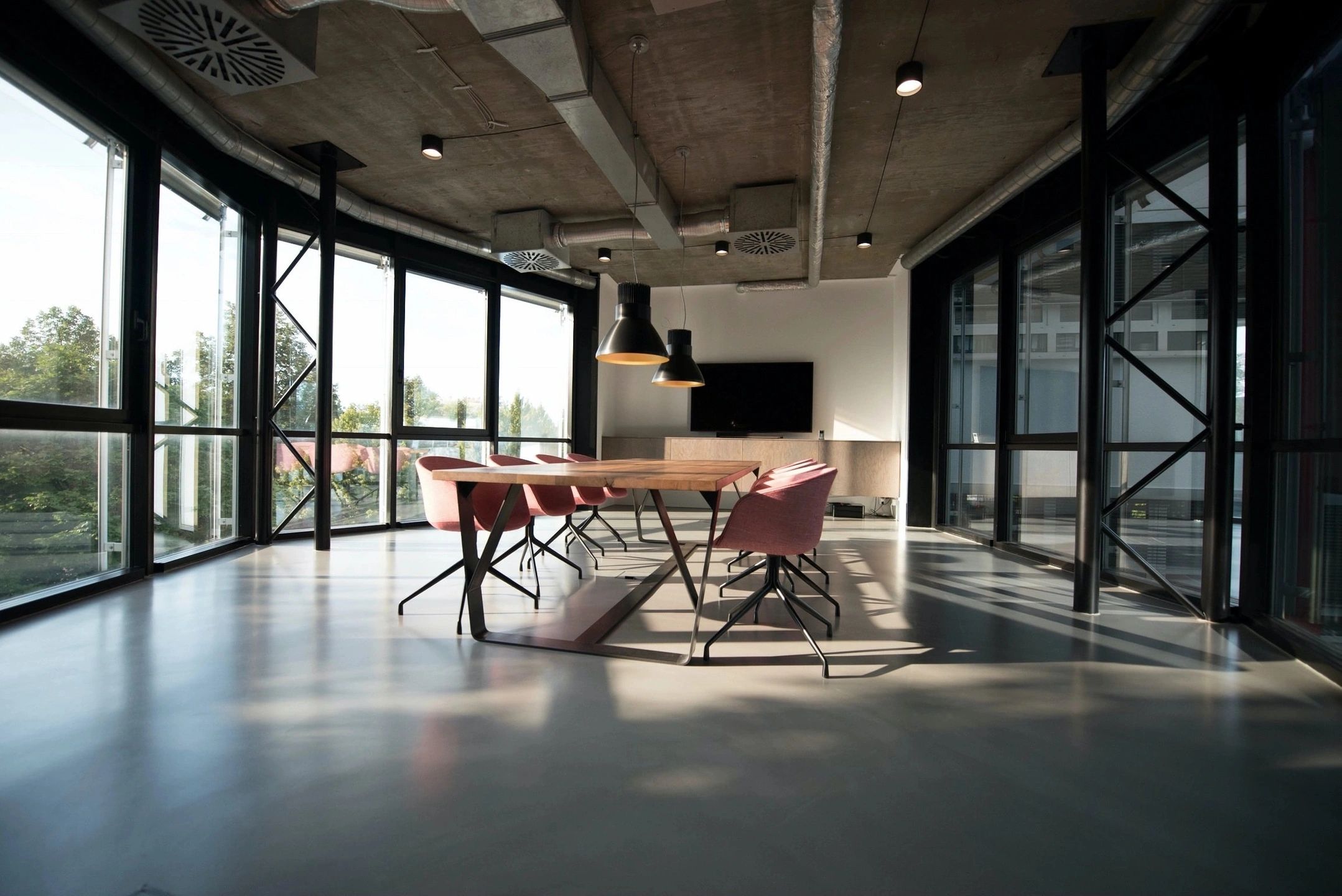
Tailored maintenance programs keeping corporate spaces compliant, comfortable, and running without interruption.
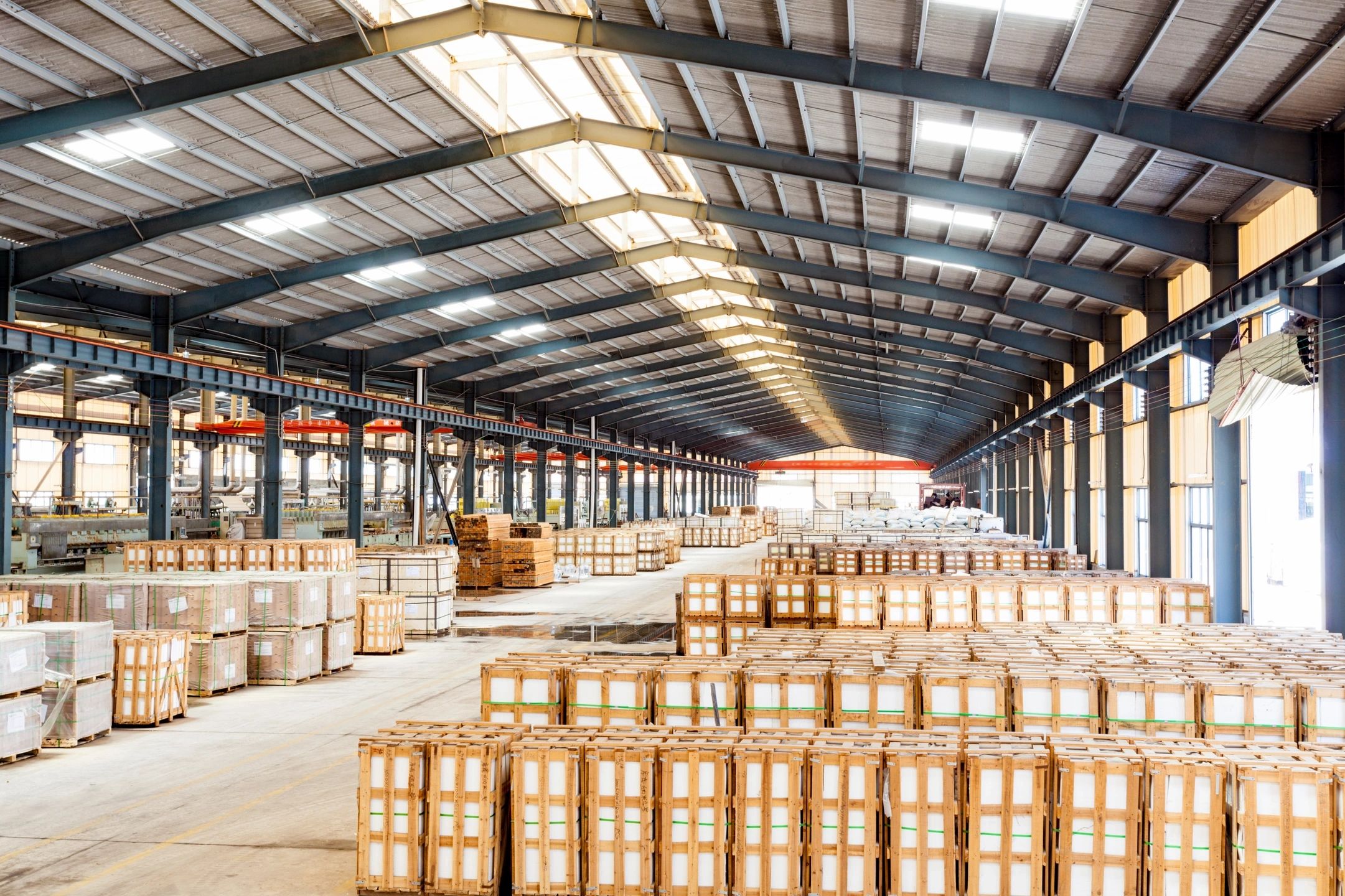
Warehouses & Distribution Centers
Preventive and emergency maintenance built around your operational tempo, shift schedules, and uptime demands.

Commercial & Retail Properties
Full-facility care for retail and mixed-use properties — keeping tenant spaces consistently clean, safe, and fully compliant.

Community & Municipal Facilities
Budget-conscious maintenance programs designed around the unique compliance and safety needs of public spaces.
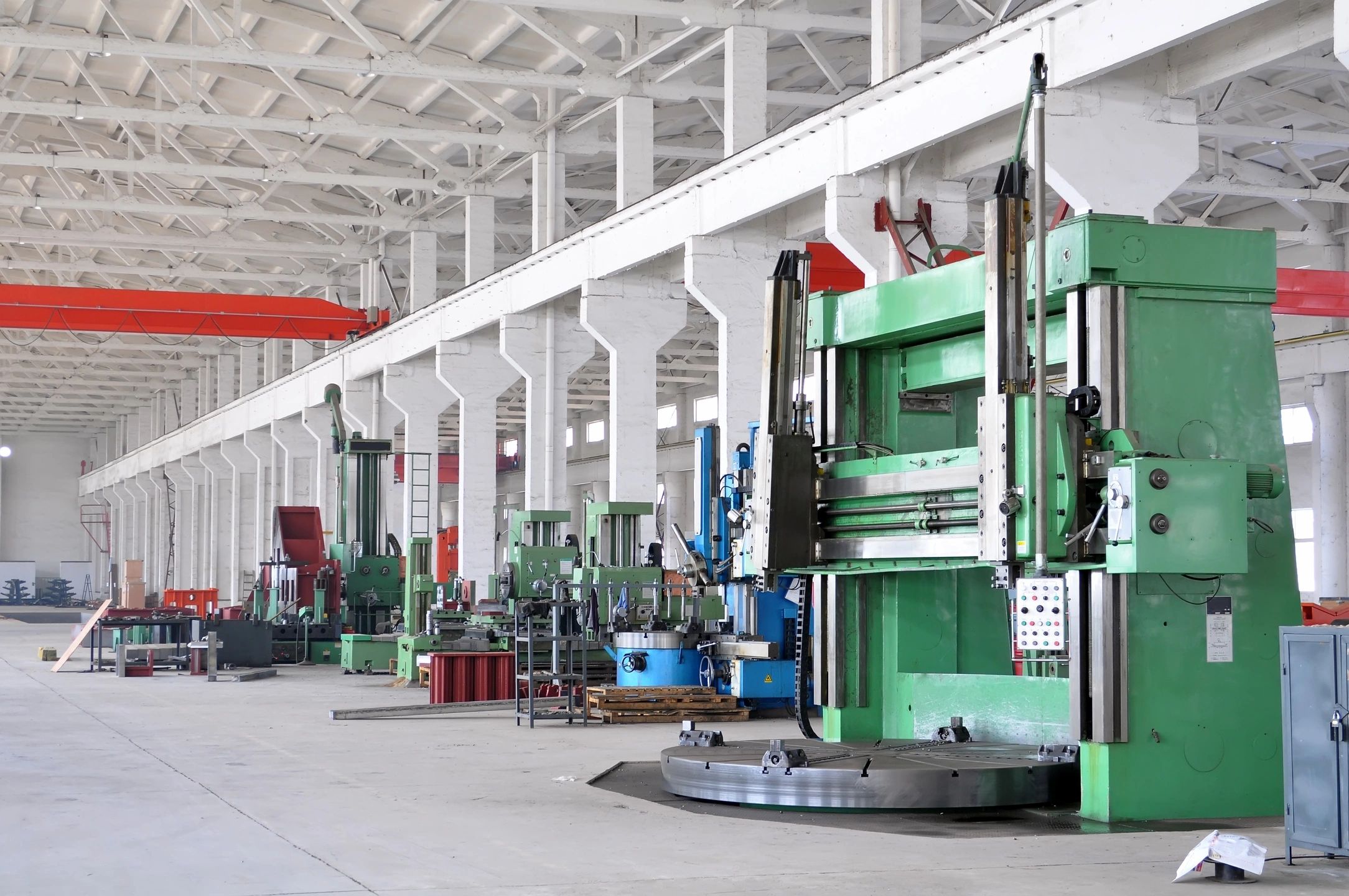
Manufacturing & Industrial Plants
Heavy-duty preventive maintenance for complex industrial systems — minimizing downtime and protecting production.

Multi-Site
Portfolios
One partner, one contract, one invoice — unified facility maintenance across every location in your entire portfolio.
- Where the Waste Is
Common Sources of Energy Waste JAM Identifies and Eliminates
Most facility managers know their utility bills are high — but not why. These are the most common energy waste conditions JAM identifies across commercial and industrial facilities in Central Ohio, with typical savings ranges once each is addressed.
HVAC Dirty Coils & Calibration Drift
Fouled coils and miscalibrated controls force systems to work 15–25% harder than necessary — wasting energy with no change in comfort output.
Fluorescent & HID Lighting (vs. LED)
Aging fluorescent and metal halide fixtures consume 2–3x more energy than LED equivalents — and require warm-up cycles that prevent occupancy controls entirely.
After-Hours & Unoccupied Conditioning
HVAC and lighting running at full load during unoccupied shifts, weekends, and holidays is among the most common — and most easily fixed — sources of waste.
Compressed Air Leaks & Over-Pressure
Typical industrial compressed air systems lose 20–30% of output to leaks and over-pressure settings — paying to compress air that is never productively used.
Building Envelope Air Infiltration
Gaps at dock doors, wall penetrations, and poorly sealed windows allow unconditioned air to enter — increasing heating and cooling loads by 5–12% unnecessarily.
No Utility Baseline or Tracking
Without a measured baseline, gradual efficiency degradation goes undetected for months — energy costs creep upward and no one knows when or why it started.
Oversized or Mismatched HVAC Equipment
Equipment sized for peak loads but running at low demand cycles inefficiently — short-cycling compressors and wasting energy on repeated start-up sequences.
No Occupancy or Daylight Controls on Lighting
Lights running at full intensity in empty rooms and daylit spaces is pure waste — occupancy sensors and daylight harvesting eliminate it at minimal installation cost.
- Standards & Frameworks We Reference
Codes & Compliance We Keep You Aligned With
JAM’s energy management recommendations and implementations are aligned with these recognized efficiency standards and frameworks.

ENERGY STAR Portfolio Manager
EPA's benchmarking framework for commercial building energy performance — used to track consumption against similar facilities and document efficiency progress.
DOE Better Buildings
U.S. Department of Energy's framework for commercial and industrial energy efficiency improvements — covers HVAC, lighting, compressed air, and building controls.

ISO 50001 Energy Management
International standard for energy management systems — establishes systematic energy performance improvement processes aligned with JAM's audit-implement-monitor approach.

ASHRAE 90.1
Energy standard for commercial buildings — covers HVAC efficiency minimums, lighting power density limits, and building envelope performance benchmarks.
Find Out Exactly How Much Your Facility Is Overpaying
JAM’s free facility energy audit identifies every source of energy waste, quantifies it in dollars, and delivers a prioritized action plan with ROI estimates — at no charge, with no commitment required.
Seen Enough to Know We're the Right Fit?
Request a free facility assessment — no obligation, no pressure, just a real conversation about your needs.
- Energy FAQ
Common Questions About Our Energy Program
Answers to the questions facility managers and operations leaders ask most before starting a JAM energy management engagement.
A JAM facility energy audit covers a systematic walkthrough and analysis of all major energy-consuming systems: HVAC equipment and controls, lighting (interior and exterior), electrical distribution and major loads, building envelope conditions, and operational scheduling practices. Each finding is documented with estimated energy waste, recommended action, approximate implementation cost, and projected annual savings — a prioritized action plan with clear ROI on every improvement.
JAM clients typically see 15–30% reductions in total energy costs within the first 12 months. HVAC optimization delivers 10–20% savings on heating and cooling loads. LED lighting retrofits reduce lighting energy by 50–70% versus fluorescent systems. Smart controls that eliminate after-hours waste frequently deliver an additional 8–15% whole-facility reduction on top of equipment-level improvements.
JAM handles both assessment and implementation. The energy audit identifies what needs to change; JAM then executes the improvements directly — HVAC recalibration, LED lighting retrofits, controls installation, and scheduling changes. This integrated approach means no gap between audit findings and action, and no need to manage a separate contractor for implementation.
Utility benchmarking establishes your facility's baseline energy consumption by end use — HVAC, lighting, plug loads, process equipment — and tracks it over time against efficiency targets. Without a baseline, you can't know whether improvements are working, whether new equipment is performing to spec, or whether a piece of equipment has silently degraded. JAM's benchmarking program gives you continuous visibility into your facility's energy performance.
HVAC maintenance and energy management are deeply complementary. Clean coils, properly calibrated controls, and well-maintained equipment are prerequisites for energy efficiency — a dirty HVAC system cannot be optimized regardless of controls improvements. JAM clients on combined HVAC PM and energy management programs see the largest efficiency gains because both the mechanical condition and the operational behavior of their systems are actively managed.
Yes. JAM manages energy efficiency programs for multi-site clients across Central Ohio — including Coca-Cola, FedEx Express, and DHL Express — providing consolidated utility benchmarking, standardized efficiency reporting, and cross-facility performance comparisons. Multi-site programs allow clients to identify which facilities have the largest improvement opportunities and prioritize capital investment accordingly.
Commercial LED retrofits in warehouse and industrial environments typically pay back in 18–36 months through energy savings alone, before accounting for reduced maintenance costs. In high-density, long-hours environments like distribution centers and manufacturing plants, payback can be as short as 12–18 months. JAM provides detailed ROI calculations for every lighting retrofit proposal.
JAM documents pre-improvement baseline utility consumption, then tracks interval meter data and utility bills post-implementation to quantify actual savings. Periodic efficiency reports show utility cost reduction by category, percentage improvement versus baseline, carbon footprint impact, and cumulative ROI across all implemented measures — structured for use in sustainability reporting, client audits, and corporate ESG documentation.