Electrical Inspections & Repair at JAM Maintenance Solutions Corp.
- Home
- Services
- Electrical Inspections
- Every Visit, Every Time
What's Included in Every Inspection Visit
No guesswork, no scope creep. Every JAM electrical inspection covers a documented checklist — with findings, photos, and a prioritized corrective action plan delivered the same day.
- Why It Matters
The Real Benefits of a JAM Electrical Program
Electrical inspections aren’t a box to check. Here’s what scheduled preventive electrical maintenance actually delivers for commercial facilities.
Reduced Fire & Shock Risk
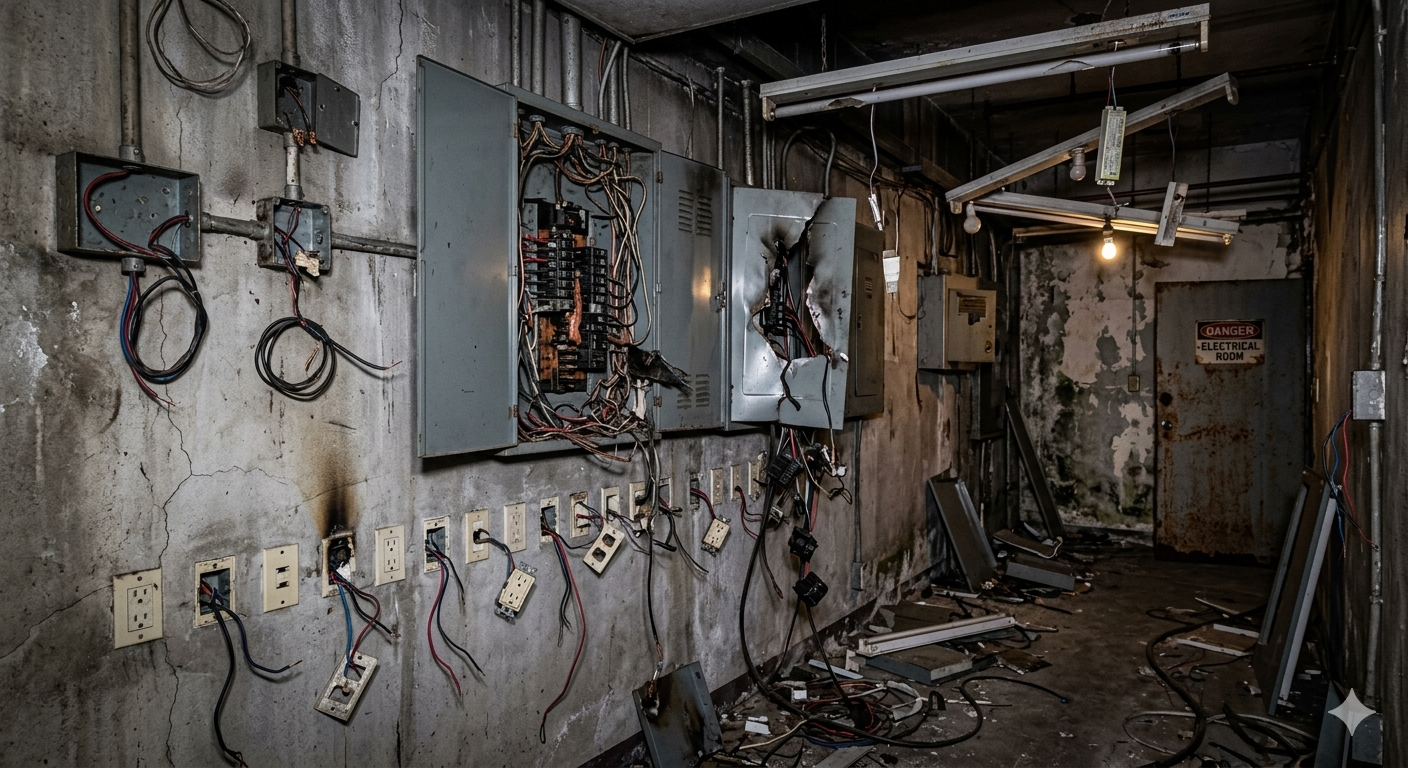
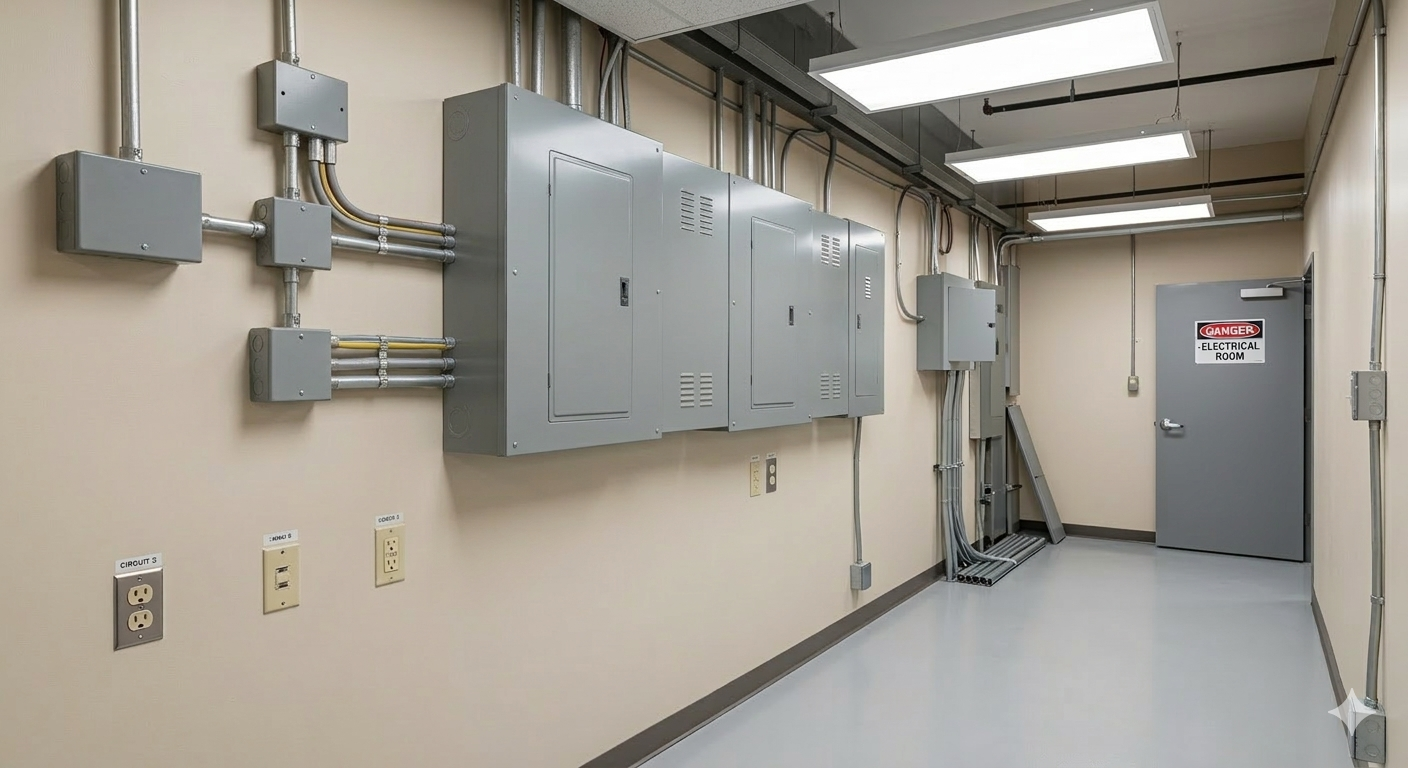
The majority of commercial electrical fires trace back to overloaded circuits, loose connections, and deteriorating wiring — all conditions caught during a JAM preventive inspection before they become emergencies or incidents.
Most hazards are invisible without testing
Continuous Code Compliance
Commercial facilities face NEC, OSHA, and Ohio Building Code electrical requirements. JAM keeps your systems continuously compliant — with documented inspection records that hold up to any audit or insurance review.
Zero compliance violations across all JAM clients
Prevented Equipment Damage
Voltage fluctuations, unbalanced loads, and deteriorating power quality silently degrade sensitive equipment — motors, drives, PLC systems, and production machinery. Catching electrical problems early protects capital equipment worth far more than the inspection cost.
Early detection prevents $10K–$100K+ replacements
Minimized Operational Downtime
Electrical failures are among the leading causes of unplanned facility downtime. A tripped main breaker or failed panel component can shut down an entire operation for hours. Preventive inspection eliminates most of these failure modes before they happen.
Avg. 1 electrical failure = 4–8 hours downtime
Workforce Safety & Liability Protection
OSHA 29 CFR 1910 Subpart S mandates that employers maintain electrical systems in safe condition. Documented JAM inspections demonstrate due diligence — protecting your organization from OSHA citations and reducing liability exposure from electrical incidents.
Supports OSHA 1910 Subpart S compliance
Audit-Ready Documentation
Every JAM electrical inspection produces a timestamped, photo-backed report accessible through your client account. When an insurer, auditor, or client requests proof of electrical maintenance, you have it — organized, credible, and immediately accessible.
On-demand record access, always
- The JAM Process
How We Get Your Electrical Systems Under Control
From first contact to ongoing program, here’s what a JAM electrical engagement looks like — methodical, documented, and built around your schedule.
Facility Walkthrough
A JAM electrician visits your site, walks every panel and electrical zone, identifies immediate risks, and documents your current system inventory and condition.
Custom Inspection Plan
We build a written electrical inspection schedule based on your facility's age, load profile, compliance obligations, and risk areas — with a flat-rate annual or semi-annual program cost.
Scheduled Inspections Begin
JAM shows up on time, works around your operational hours, and completes every checklist item systematically — then delivers a full written report with photos and action items the same day.
24/7 Emergency Backup
Between inspections, our emergency line is live around the clock. For any electrical failure, outage, or shock hazard — call +1 (614) 815-7784 and a technician is dispatched immediately, guaranteed on-site within the day.
- Proven Results
Electrical Work We've Done for Real Clients
Documented outcomes from JAM electrical programs at active client sites across Central Ohio.
Full Electrical Audit & Ongoing Inspection Program
During JAM's initial facility assessment at the Columbus company, technicians identified 9 unlabeled sub-panel circuits, 3 overloaded breakers, and 2 GFCI outlets that failed trip testing in a food-handling zone — all invisible without systematic inspection. A semi-annual electrical inspection program was implemented immediately.
- 14 code violations resolved within 30 days of initial audit.
- Zero electrical violations flagged during subsequent FDA facility audit.
- All panels fully labeled and load-balanced to NEC standards.
- Zero electrical downtime events in 18 months since program launch.
Distribution Center Circuit Audit & Load Balancing
The distribution hub experienced recurring tripped breakers during overnight peak sort operations — causing conveyor stoppages and manual sortation delays. JAM performed a full circuit load analysis across the facility, identified three severely unbalanced phases, and redistributed load to correct the imbalance without new panel work.
- Recurring breaker trips eliminated within one week of load redistribution.
- 3 phase imbalances corrected — panels brought within 5% variance spec.
- No panel replacement required — issue resolved through load management alone.
- Quarterly inspection program established to prevent recurrence.
Emergency Outage Response & Safety Compliance Program
Following a partial electrical outage that knocked out dock door controls and overhead lighting in the facility, JAM responded within 90 minutes. The cause — a deteriorated connection on a 20-year-old sub-panel — was repaired on-site. A subsequent full inspection uncovered 7 additional code deficiencies, all resolved before a scheduled client safety audit.
- Facility restored in under 3 hours following partial outage emergency.
- 7 code deficiencies resolved prior to client safety audit — zero findings.
- Root cause identified and corrected — aging sub-panel connection replaced.
- Semi-annual inspection program launched — no repeat incidents in 16 months.
- Who We Serve
Electrical Programs Built for These Facility Types

Commercial Office Buildings
Tailored maintenance programs keeping corporate spaces compliant, comfortable, and running without interruption.
Warehouses & Distribution Centers
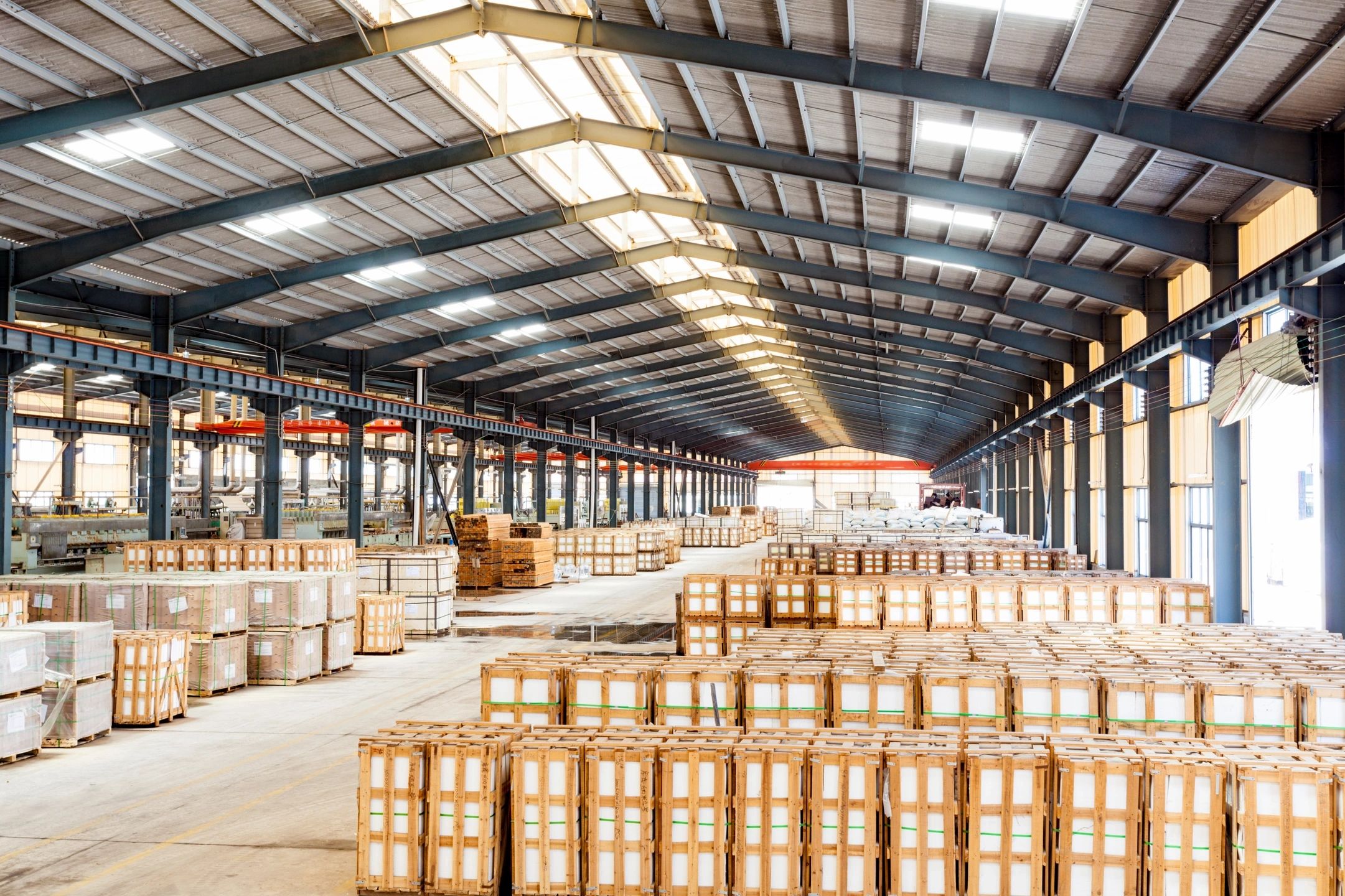
Preventive and emergency maintenance built around your operational tempo, shift schedules, and uptime demands.

Commercial & Retail Properties
Full-facility care for retail and mixed-use properties — keeping tenant spaces consistently clean, safe, and fully compliant.

Community & Municipal Facilities
Budget-conscious maintenance programs designed around the unique compliance and safety needs of public spaces.
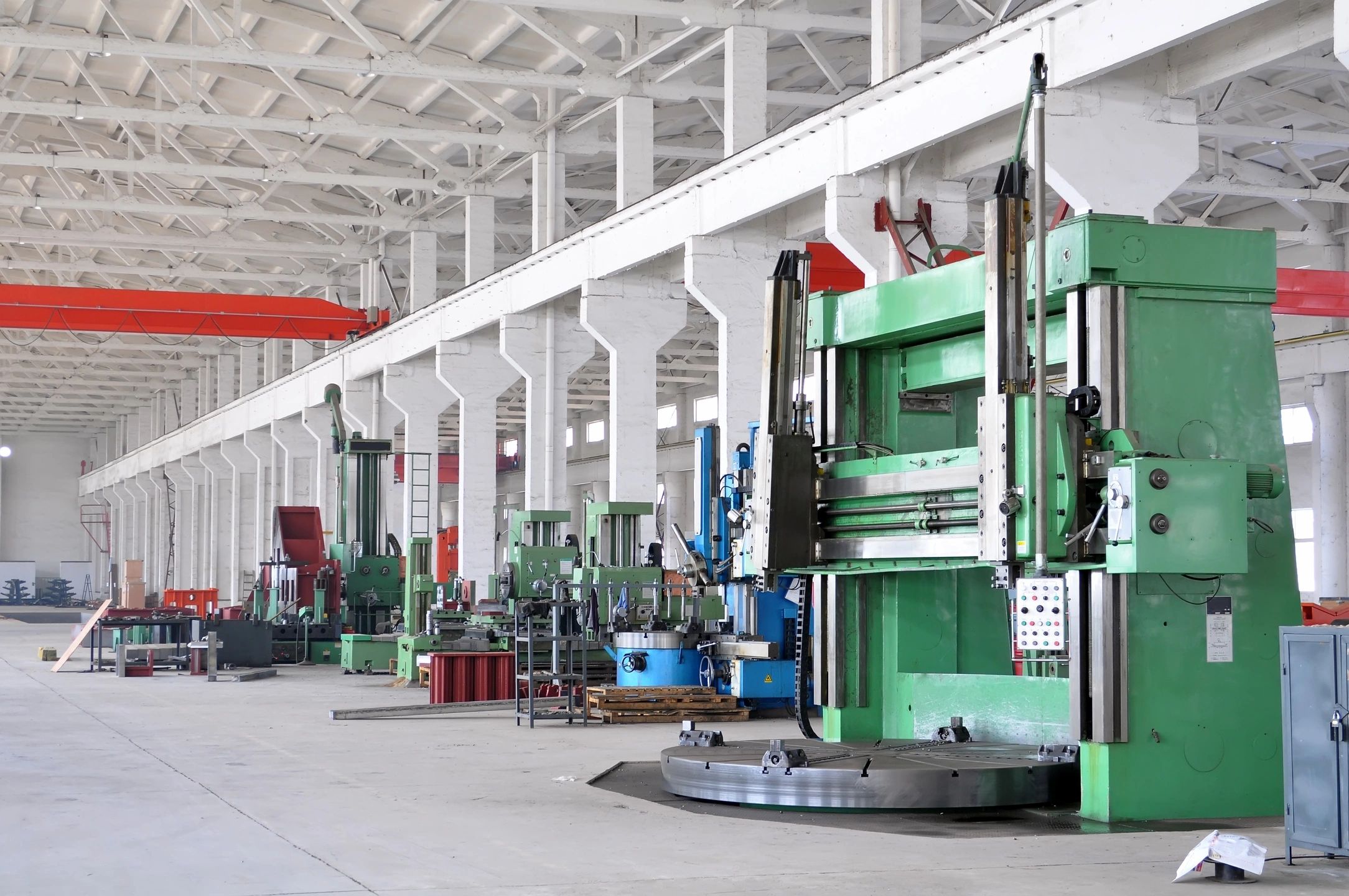
Manufacturing & Industrial Plants
Heavy-duty preventive maintenance for complex industrial systems — minimizing downtime and protecting production.

Multi-Site
Portfolios
One partner, one contract, one invoice — unified facility maintenance across every location in your entire portfolio.
- What We Find
Common Electrical Hazards JAM Catches Before They Cause Damage
Most commercial electrical fires and outages don’t happen without warning signs. They happen because no one was systematically looking. These are the conditions JAM technicians identify and resolve during every inspection program.
Overloaded Panels
Panels drawing more current than rated capacity — a leading cause of breaker failure and electrical fires.
Undersized or Improper Fusing
Oversized breakers fail to trip on overload, allowing circuits to carry dangerous current without protection.
Exposed or Deteriorating Wiring
Insulation breakdown from age, heat, rodents, or mechanical damage creates direct shock and fire hazard.
Unlabeled or Mislabeled Circuits
Inaccurate panel labeling delays emergency response and creates risk of energized work on assumed-dead circuits.
Loose or Arcing Connections
Vibration and thermal cycling loosen connections over time, creating resistance heat that can ignite surrounding materials.
Failed GFCI / AFCI Devices
Safety devices that no longer trip correctly provide a false sense of protection in wet or high-risk locations.
Improper Extension Cord Use
Daisy-chained or undersized extension cords serving permanent loads are a code violation and overload risk.
Inoperative Emergency Lighting
Emergency lights and exit signs that fail during a power outage create evacuation hazards and life safety code violations.
- Standards We Work To
Codes & Compliance We Keep You Aligned With
Every JAM electrical inspection is performed against these standards — keeping your facility compliant and your documentation audit-ready.
National Electrical Code
NFPA 70 — the foundational US standard for safe electrical installation and maintenance in commercial facilities.
NFPA 70E — Arc Flash
Electrical safety in the workplace standard — relevant for facilities with higher-voltage equipment or energized work requirements.
Ohio Building Code
State-level electrical provisions governing commercial construction and facility maintenance across Ohio.

OSHA: 29 CFR 1910 Subpart S
Federal employer obligations for maintaining electrical systems in a safe condition for general industry workplaces.
Stop Paying for Failures You Could Have Prevented
Get a free, no-obligation facility assessment. JAM’s engineers will audit your systems, identify risk, and provide a custom maintenance plan — with projected cost savings included.
Seen Enough to Know We're the Right Fit?
Request a free facility assessment — no obligation, no pressure, just a real conversation about your needs.
- Electrical FAQ
Common Questions About Our Electrical Service
Answers to the questions facility managers ask most often before starting an electrical inspection program with JAM.
Commercial electrical systems should be formally inspected at minimum once per year. High-load environments — manufacturing plants, distribution centers, and food production facilities — typically require semi-annual or quarterly inspections. JAM designs custom schedules based on your facility's age, load profile, equipment types, and any applicable compliance requirements.
Every JAM inspection covers: main and sub-panel review, circuit voltage and continuity testing, outlet and receptacle inspection including GFCI function testing, lighting fixture and ballast check, safety device functional testing, hazard identification walkthrough, and a written report with photo documentation and prioritized corrective action items — all delivered the same day.
Yes — 24/7, 365 days a year. Call +1 (614) 815-7784 at any hour for electrical emergencies including full or partial outages, arc flash incidents, shock hazard discovery, tripped main breakers, or equipment power failures. JAM guarantees on-site arrival within the day. Emergency response is available to both PM program clients and new commercial facilities in Central Ohio.
JAM technicians work to the National Electrical Code (NEC / NFPA 70), Ohio Building Code electrical provisions, OSHA 29 CFR 1910 Subpart S for general industry, and NFPA 70E for arc flash safety where applicable. For facilities with specific client or industry requirements — such as FDA/GMP standards for food facilities — JAM incorporates those standards into the inspection protocol.
Yes — hazard identification is the core purpose of every JAM electrical inspection. Technicians systematically check for overloaded panels, undersized fusing, improper extension cord use, exposed or deteriorating wiring, missing knockouts, unlabeled circuits, and failed safety devices. Every identified hazard is documented with photos and a prioritized corrective action plan so your team knows exactly what needs to be addressed and in what order.
Yes. JAM provides both scheduled preventive electrical maintenance and reactive troubleshooting for existing problems. For new clients with an active issue — recurring trips, intermittent power loss, voltage fluctuations — JAM can perform a diagnostic visit to identify and resolve the problem first, then recommend a preventive program to prevent recurrence going forward.
Yes. JAM Maintenance Solutions Corp. is fully licensed, bonded, and insured to perform commercial electrical maintenance and inspection work in Ohio. All electrical work is performed by qualified technicians in compliance with Ohio state licensing requirements, the National Electrical Code, and applicable OSHA standards.
Regular inspections prevent costs in multiple ways: catching loose connections before they cause overheating and equipment damage, identifying overloaded circuits before they trip or fail, finding deteriorating wiring before it causes fires, and ensuring safety devices function — avoiding the significantly higher costs of emergency repairs, equipment replacement, facility downtime, and potential liability from electrical incidents.