- Full Service Scope
What's Included in Every Lighting Program
JAM handles lighting from initial audit through installation, retrofits, ongoing maintenance, and compliance testing — all under one program, all documented with before-and-after records.
- Why It Matters
The Real Benefits of a JAM Lighting Program
Lighting isn’t just illumination — it’s safety, efficiency, compliance, and operational performance. Here’s what a JAM lighting program delivers.
Dramatically Lower Energy Costs
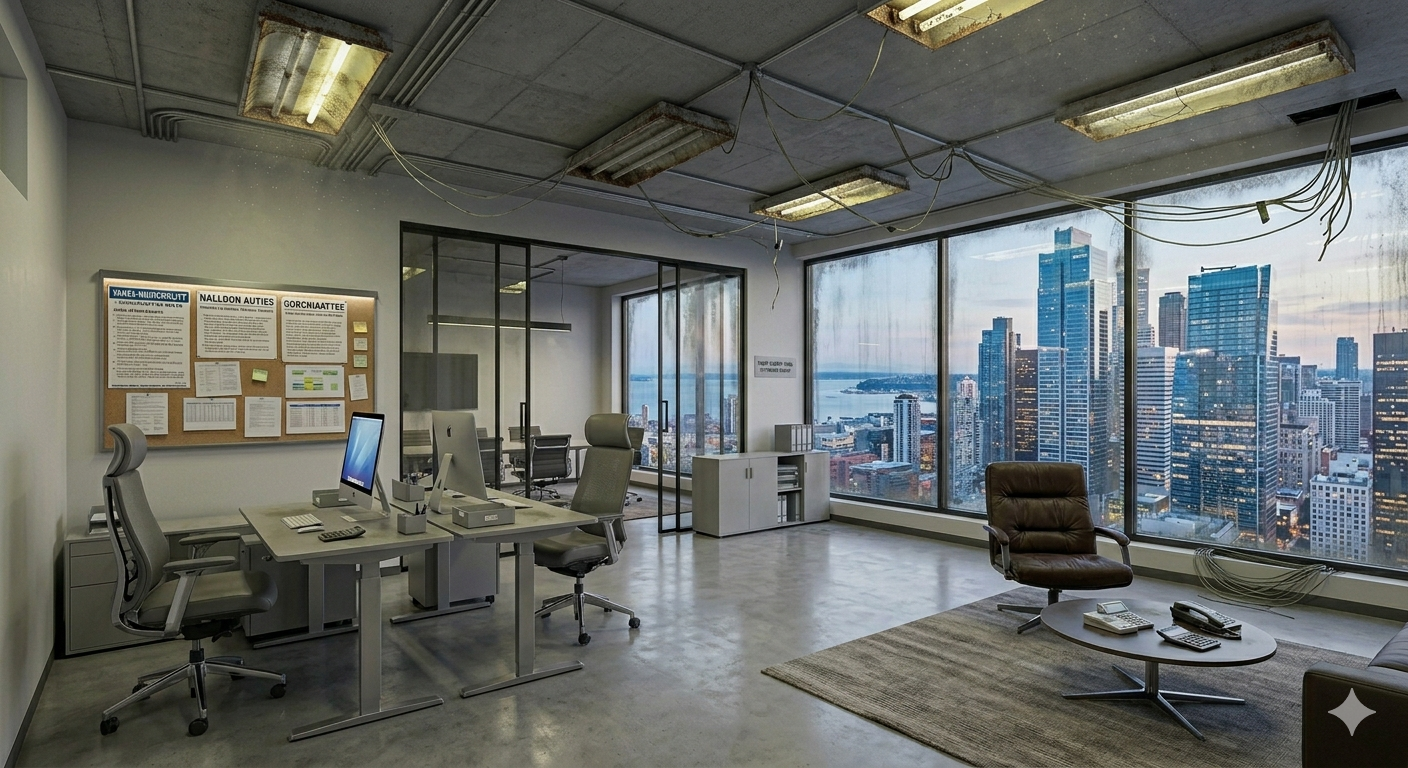
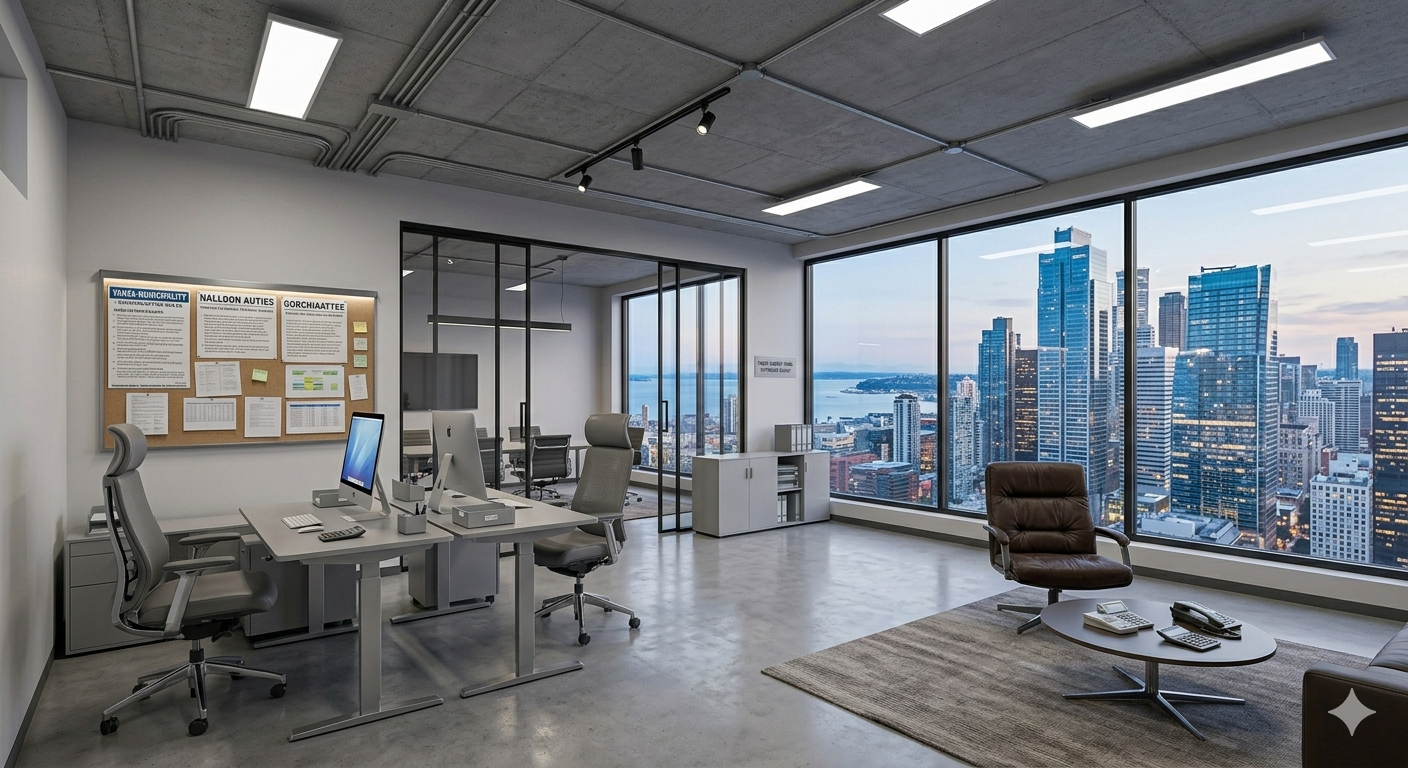
Commercial LED retrofits deliver 50–70% reduction in lighting energy costs versus fluorescent and HID systems — with payback periods of 12–36 months through energy savings alone. In warehouse and industrial environments with high-density, long-hours lighting, payback can be as short as 12–18 months.
50–70% lighting energy reduction via LED
Improved Worker Safety & Productivity
Inadequate illumination is a leading contributor to workplace accidents, near-misses, and quality control failures. OSHA specifies minimum foot-candle levels for different work environments — properly maintained, correctly specified lighting keeps your facility safe and workers performing at full capacity.
OSHA lighting standards maintained
Life Safety Code Compliance
NFPA 101 requires emergency lighting capable of 90 minutes of backup illumination and monthly and annual testing with documented records. Non-functional emergency lighting is a life safety violation that triggers fire marshal citations. JAM's program keeps all emergency systems tested, documented, and compliant at all times.
NFPA 101 testing documented every month
Dramatically Reduced Maintenance Burden
LED lamps last 50,000–100,000 hours versus 6,000–15,000 hours for fluorescent tubes — meaning a warehouse that re-lamped fluorescents every 2–3 years may go 15–25 years before LED replacement. JAM's scheduled maintenance programs virtually eliminate the reactive lamp replacement cycle that consumes facility manager time and budget.
LED life 5–10x longer than fluorescent
Enhanced Exterior Security
Well-maintained exterior and parking lot lighting is a direct deterrent to theft, vandalism, and unauthorized access. Dark areas around loading docks, parking lots, and building perimeters create security vulnerabilities and liability exposure. JAM keeps every exterior zone consistently lit — including dark-of-winter early evenings and overnight.
Proper exterior lighting deters theft & vandalism
Audit & Inspection Readiness
Fire marshals, insurance inspectors, and enterprise clients all review lighting conditions — particularly emergency lighting compliance. JAM's documented maintenance program, with monthly test logs and annual load test records, provides the paper trail that satisfies any inspection at any time.
Fire marshal & insurance audit ready
- The JAM Process
From Lighting Audit to Fully Maintained System
JAM handles the complete lighting engagement — audit, design, installation, and ongoing maintenance — built around your facility’s schedule and operational requirements.
Facility Walkthrough
JAM inventories every fixture in your facility at no charge — type, wattage, condition, operating hours, and retrofit potential. Each finding includes projected savings, implementation cost, and payback period. Emergency lighting compliance gaps identified immediately.
Proposal & Approval
A written proposal is delivered covering fixture specifications, installation scope, projected energy savings, and flat-rate pricing — ranked by priority and payback period. You approve what moves forward, in the order that makes sense for your budget.
Installation & Retrofit
Work is scheduled around your operations — nights, weekends, or zone by zone to maintain safe lighting levels throughout. JAM installs, tests, and documents every fixture. Before-and-after photos and service records are delivered same day.
Ongoing Maintenance Program
Post-installation, JAM maintains your lighting system — scheduled inspections, spot lamp and ballast replacements, monthly emergency lighting tests, annual load tests, and compliance documentation kept current and accessible on demand.
- Proven Results
Lighting Work We've Done for Real Clients
Documented outcomes from JAM lighting installation and maintenance programs at active client sites across Central Ohio.
Production Floor High-Bay LED Retrofit & Emergency Lighting Compliance
JAM's initial lighting audit at the plant identified 17 high-bay fluorescent fixtures on the production floor running at 2.3x the energy draw of equivalent LED systems, plus 4 emergency lighting units that had never been load-tested. The LED retrofit was completed over two weekends; emergency units were replaced and a NFPA 101-compliant testing program was established.
- 63% reduction in production floor lighting costs in month one post-retrofit.
- LED retrofit payback achieved in 22 months through energy savings alone.
- All 4 emergency units replaced — NFPA 101 testing program established and maintained.
- Zero lighting findings during subsequent FDA facility inspection.
Distribution Hub Full LED Retrofit & Occupancy Zone Controls
The distribution hub operated on aging T8 fluorescent high-bays running continuously across all zones — including storage areas and dock staging zones that were unoccupied for extended periods. JAM completed a full LED retrofit with occupancy sensors installed on 6 storage and staging zones, and synchronized dock area lighting with dock door operation schedules.
- 58% reduction in total facility lighting costs post-LED retrofit.
- Additional 14% savings from occupancy controls on 6 storage and staging zones.
- Full retrofit completed over two weekends — zero sort operation disruptions.
- Combined retrofit payback in 17 months through documented utility savings.
Metal Halide→LED Retrofit & Exterior Lighting Restoration
The facility operated on 400W metal halide high-bays requiring 30-minute warm-up cycles and running continuously to avoid restarts. Simultaneously, 4 exterior parking lot poles had failed lamps creating dark zones around the facility perimeter. JAM completed the interior LED retrofit with instant-on capability enabling zone controls, and restored all exterior lighting to full operation.
- 58% reduction in interior lighting energy replacing 400W metal halide with 150W LED.
- Warm-up delay eliminated — instant-on LEDs enable dock zone occupancy controls.
- All 4 exterior parking poles restored — full perimeter illumination re-established.
- Ongoing lighting maintenance program established with monthly emergency testing on schedule.
- Who We Serve
Lighting Programs Built for These Facility Types
Commercial Office Buildings
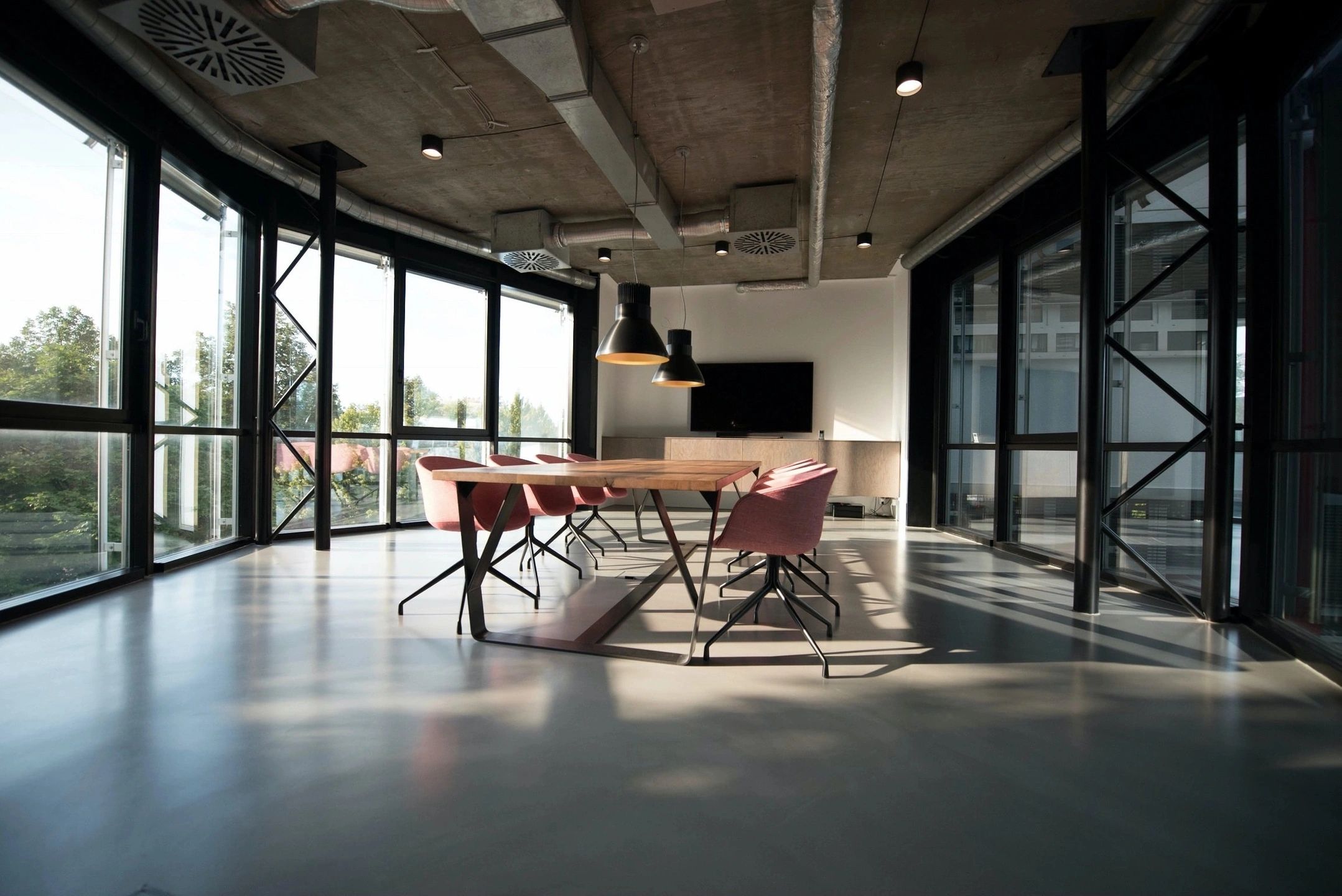
Tailored maintenance programs keeping corporate spaces compliant, comfortable, and running without interruption.
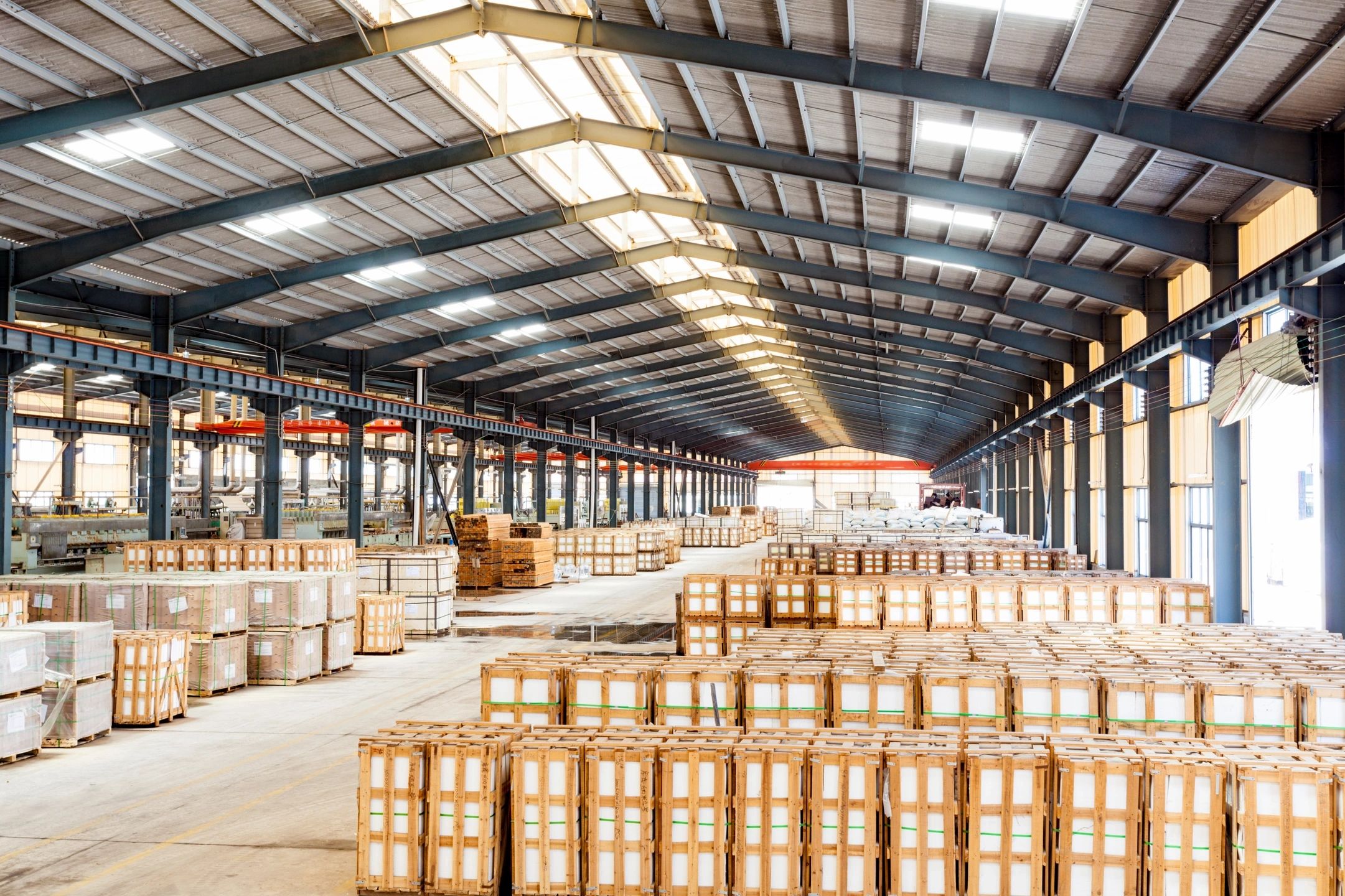
Warehouses & Distribution Centers
Preventive and emergency maintenance built around your operational tempo, shift schedules, and uptime demands.
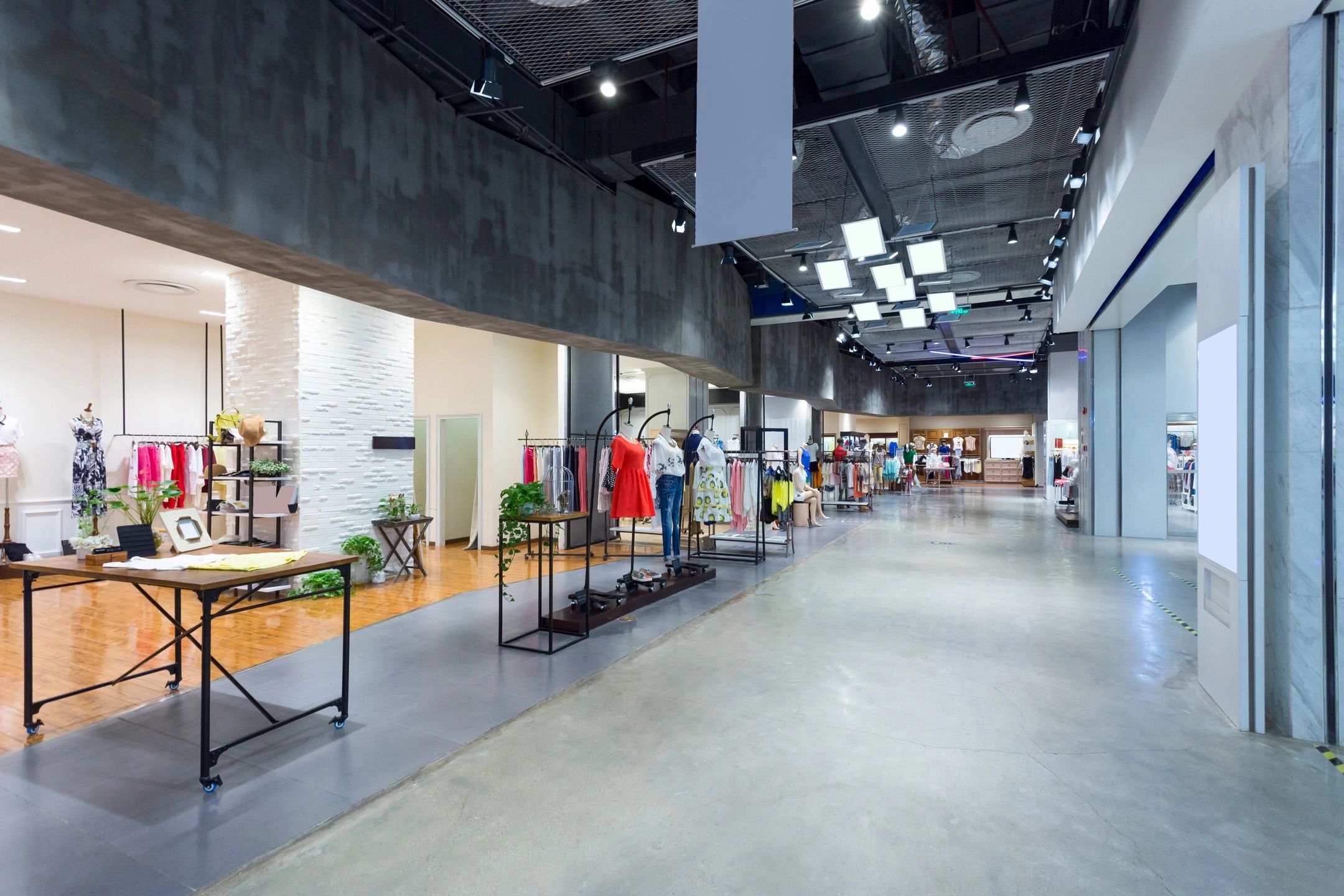
Commercial & Retail Properties
Full-facility care for retail and mixed-use properties — keeping tenant spaces consistently clean, safe, and fully compliant.

Community & Municipal Facilities
Budget-conscious maintenance programs designed around the unique compliance and safety needs of public spaces.
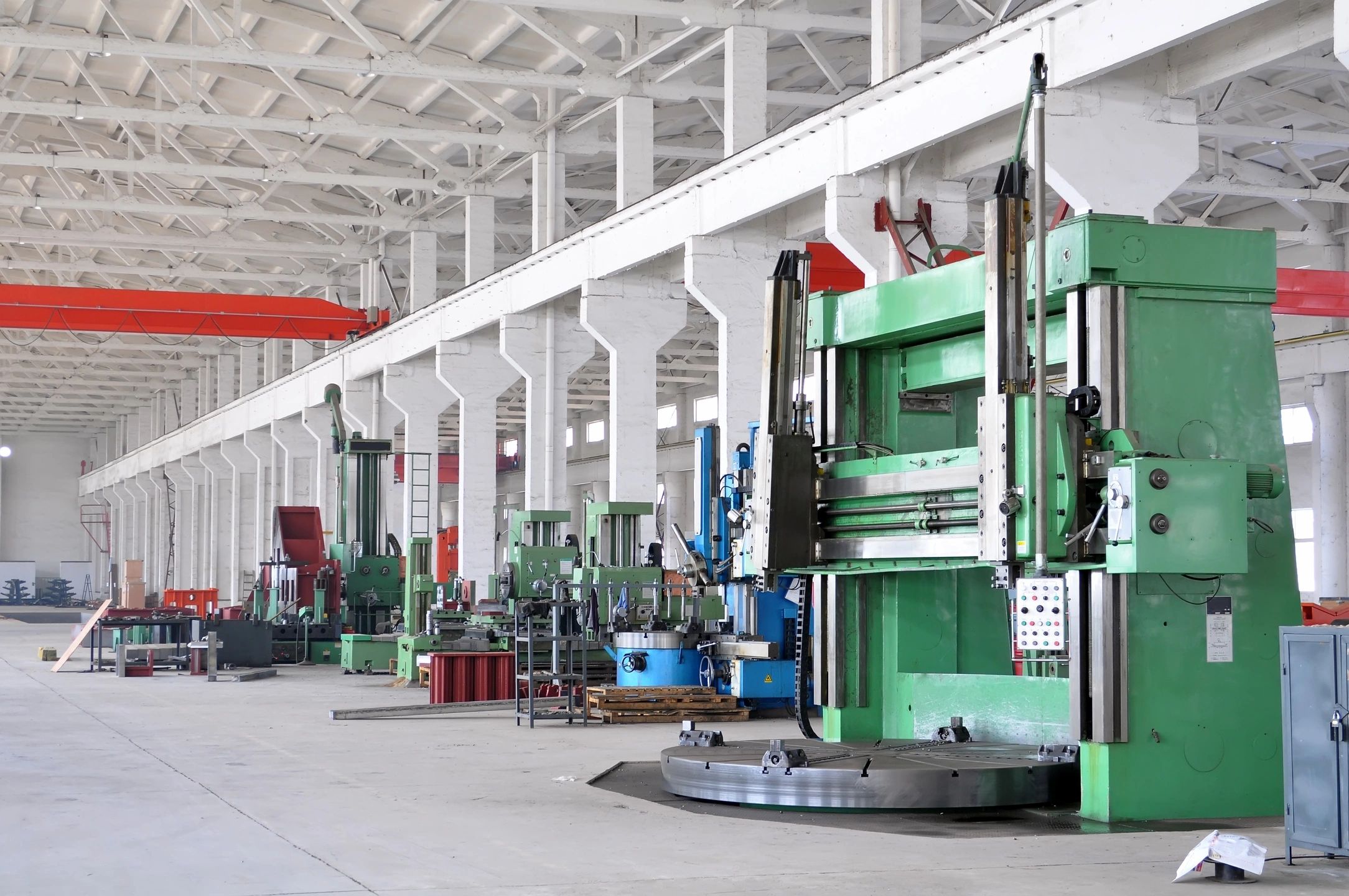
Manufacturing & Industrial Plants
Heavy-duty preventive maintenance for complex industrial systems — minimizing downtime and protecting production.
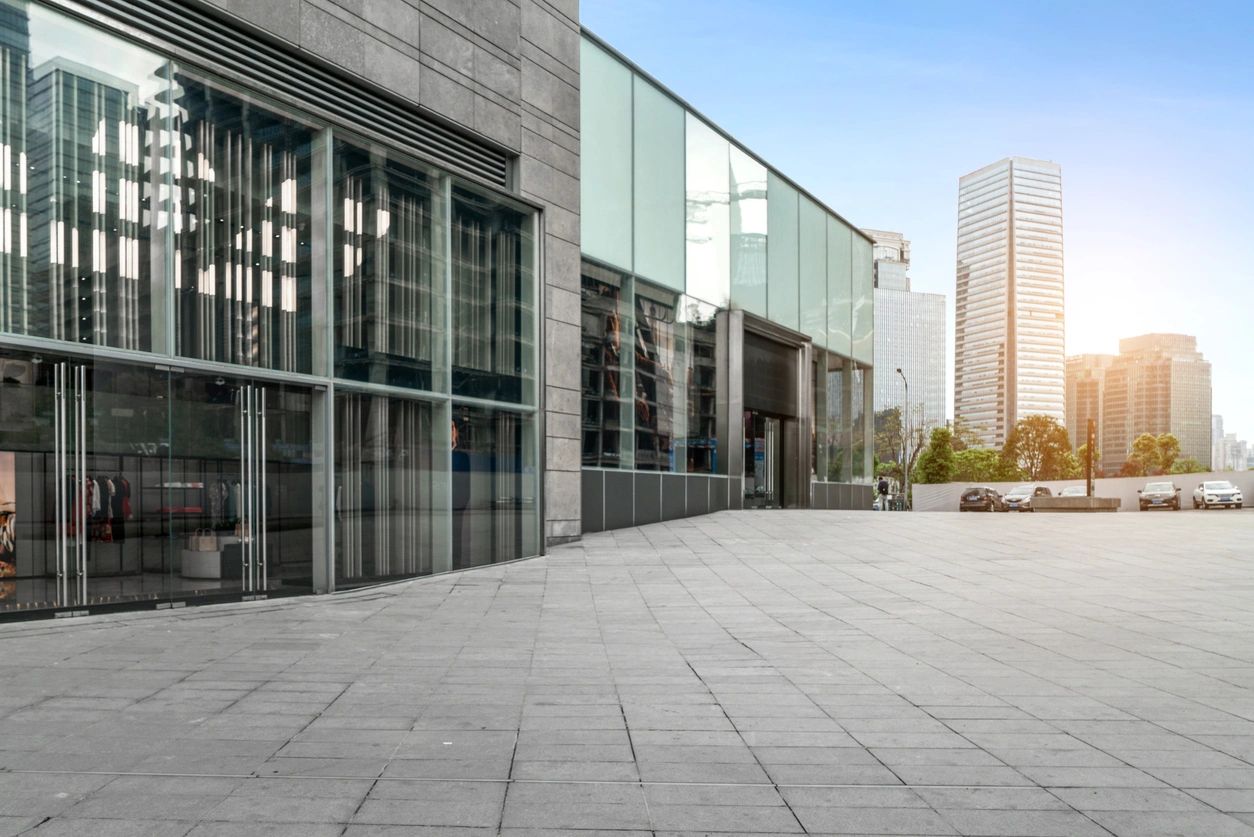
Multi-Site
Portfolios
One partner, one contract, one invoice — unified facility maintenance across every location in your entire portfolio.
- What We Find
Common Lighting Problems JAM Identifies and Resolves in Commercial Facilities
Most commercial lighting issues develop gradually — individual fixtures fail, ballasts degrade, and emergency systems go untested until something goes wrong or an inspector arrives. These are the conditions JAM catches and corrects through structured lighting maintenance and audit programs.
Failed & Flickering Fixtures
Individual lamp or ballast failures create dark zones that accumulate unnoticed — reducing illumination levels below OSHA minimums in work areas.
Untested Emergency Lighting
Emergency units that haven't been tested per NFPA 101 provide false security — they may fail to illuminate when a power outage actually occurs.
Aging Fluorescent & HID Systems
Fluorescent and metal halide fixtures consuming 2–3x the energy of LED equivalents represent ongoing waste that compounds daily — with no automatic trigger to upgrade.
Dark Exterior & Parking Lot Zones
Failed pole-mounted or building-mounted exterior fixtures create security blind spots and slip/fall liability risks in dark parking areas and walkways.
No Occupancy Controls in Empty Zones
Storage areas, restrooms, and perimeter zones illuminated around the clock waste significant energy that simple occupancy sensors would eliminate at low installation cost.
No Lighting Maintenance Records
Without documentation of lamp replacements and emergency lighting tests, facilities cannot demonstrate compliance during fire marshal or client inspections.
HID Warm-Up Preventing Zone Controls
Metal halide fixtures require 15–30 minute warm-up cycles — making occupancy or scheduling controls impractical and keeping lights on continuously to avoid restart delays.
Illumination Levels Below OSHA Minimums
As lamps age and accumulate failures, actual foot-candle levels drift below OSHA minimums for the work type performed — a regulatory gap that accumulates invisibly.
- Standards & Frameworks We Reference
Codes & Compliance We Keep You Aligned With
Every JAM lighting installation, retrofit, and maintenance program is performed against these standards — keeping your facility compliant and your records audit-ready.
NFPA 101 Life Safety Code
Requires 90-minute emergency lighting capability, monthly functional testing, and annual load testing with documented records — the primary emergency lighting compliance standard.
International Building Code
Building code requirements for egress lighting, exit signage illumination, and minimum lighting levels in commercial occupancies — adopted by Ohio for commercial construction and renovation.

OSHA 29 CFR 1910.303 & .305
OSHA electrical and lighting standards specifying minimum illumination levels for different work environments and general electrical safety requirements for lighting systems.

ASHRAE 90.1 Lighting
Maximum lighting power density (LPD) limits for commercial buildings — LED retrofits designed to comply with or exceed ASHRAE 90.1 LPD requirements support energy code compliance.
Stop Paying for Light You're Not Getting
JAM’s free lighting audit inventories every fixture in your facility, quantifies current energy waste, identifies compliance gaps, and delivers a prioritized action plan with ROI estimates — at no charge, no commitment.
Seen Enough to Know We're the Right Fit?
Request a free facility assessment — no obligation, no pressure, just a real conversation about your needs.
- Lighting FAQ
Common Questions About Our Lighting Service
Answers to the questions facility managers ask most before engaging JAM for commercial lighting installation, retrofit, or maintenance work.
JAM installs and maintains all major commercial and industrial lighting types: high-bay LED fixtures for warehouses and manufacturing, linear and troffer fixtures for offices, exterior and parking lot lighting, emergency and exit lighting, dock area lighting, security lighting, and specialized task lighting. JAM also installs occupancy sensors, motion controls, and daylight harvesting systems.
LED retrofits deliver 50–70% reduction in lighting energy consumption, dramatically lower maintenance costs from LED lamp life of 50,000–100,000 hours versus 6,000–15,000 for fluorescent, improved light quality and uniformity, instant-on capability enabling occupancy and zone controls not possible with HID systems, and payback periods of 12–36 months through energy savings alone. JAM provides detailed ROI calculations for every retrofit proposal.
Commercial lighting should be inspected at minimum annually, with high-usage environments benefiting from semi-annual inspection. Emergency lighting and exit signs require monthly 30-second functional testing and annual 90-minute load testing under NFPA 101. JAM's maintenance programs cover all scheduled testing, spot replacements, and group re-lamping cycles appropriate to each facility's fixture types and operating hours.
NFPA 101 Life Safety Code requires emergency lighting systems capable of at least 90 minutes of illumination following a power failure. Testing requirements include a monthly 30-second functional test and an annual full 90-minute load test. Exit signs must be maintained in legible, illuminated condition at all times. JAM's emergency lighting program covers all required testing with documented records for fire marshal inspections.
Yes. JAM manages lighting programs for multi-site clients including Coca-Cola, FedEx Express, and DHL Express across multiple Central Ohio locations. Multi-site clients benefit from standardized fixture specifications across locations, consolidated project scheduling, unified documentation, and single-invoice billing.
Most commercial LED retrofits are completed in a single visit or over a weekend, depending on fixture count. JAM schedules retrofit work around your operational hours — nights and weekends are standard for active facilities. For large-scale warehouse or industrial retrofits, JAM phases work zone by zone to maintain safe illumination levels throughout the project.
Yes. JAM installs occupancy sensors, motion-activated controls, daylight harvesting sensors, and programmable lighting schedules. These controls eliminate energy waste in unoccupied areas and are particularly effective in warehouses, storage areas, restrooms, and perimeter zones — typically delivering an additional 8–20% energy reduction on top of LED fixture improvements.
A JAM lighting audit documents every fixture in your facility — type, wattage, condition, and operating hours — and identifies retrofit candidates, failed or degraded fixtures, non-compliant emergency lighting, and areas where controls could reduce waste. Each finding includes projected energy savings, estimated retrofit cost, and payback period. The audit gives you a complete picture of your lighting system and a prioritized action plan for improvement — at no charge.