- Full Program Scope
What's Included in Every IAQ Program
JAM builds each air quality program around your facility’s specific conditions — but every program covers baseline testing, filter management, ventilation verification, and complete compliance documentation.
- Why It Matters
The Real Benefits of a JAM Air Quality Program
Indoor air quality is invisible — which is why most facilities don’t address it until employees are complaining, an audit finds violations, or HVAC systems start failing faster than expected. Here’s what a structured program delivers.
Healthier, More Productive Employees
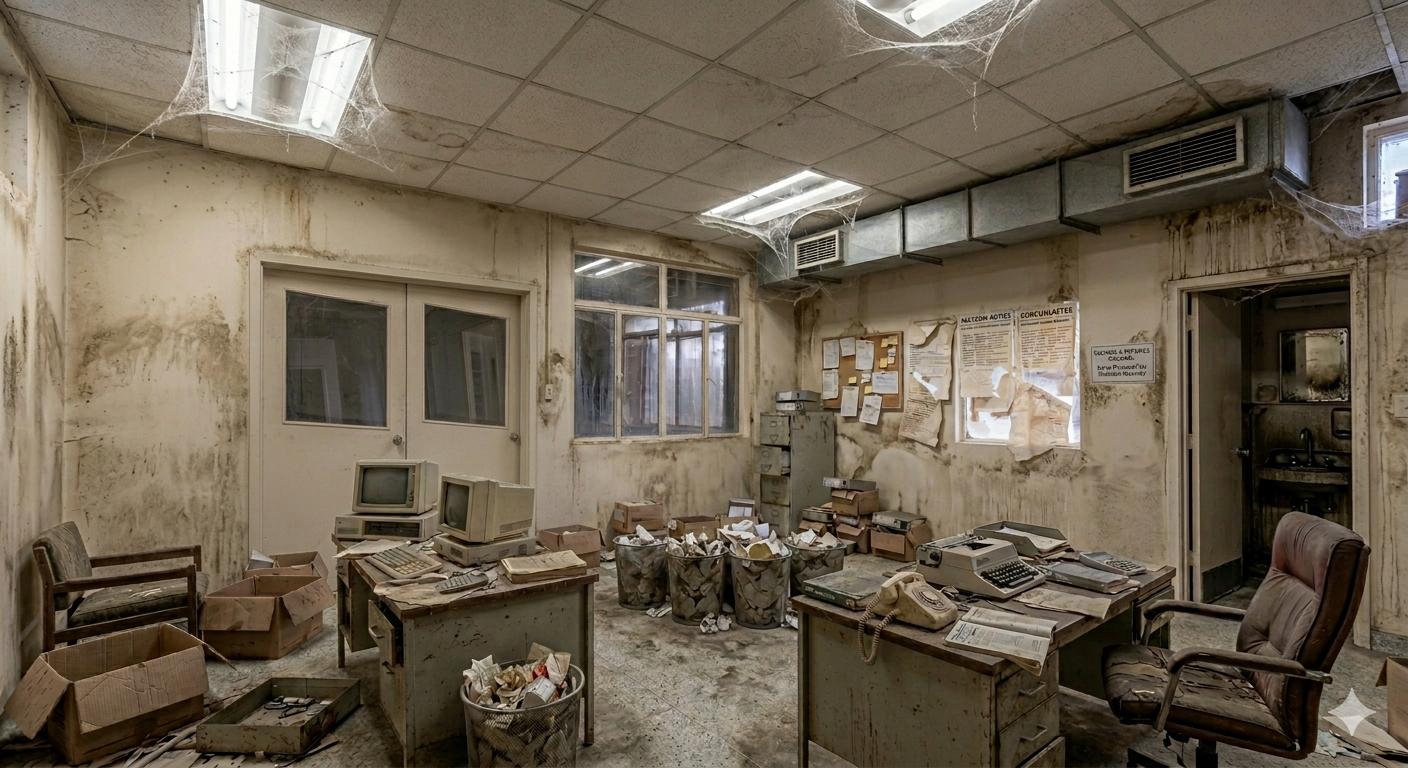
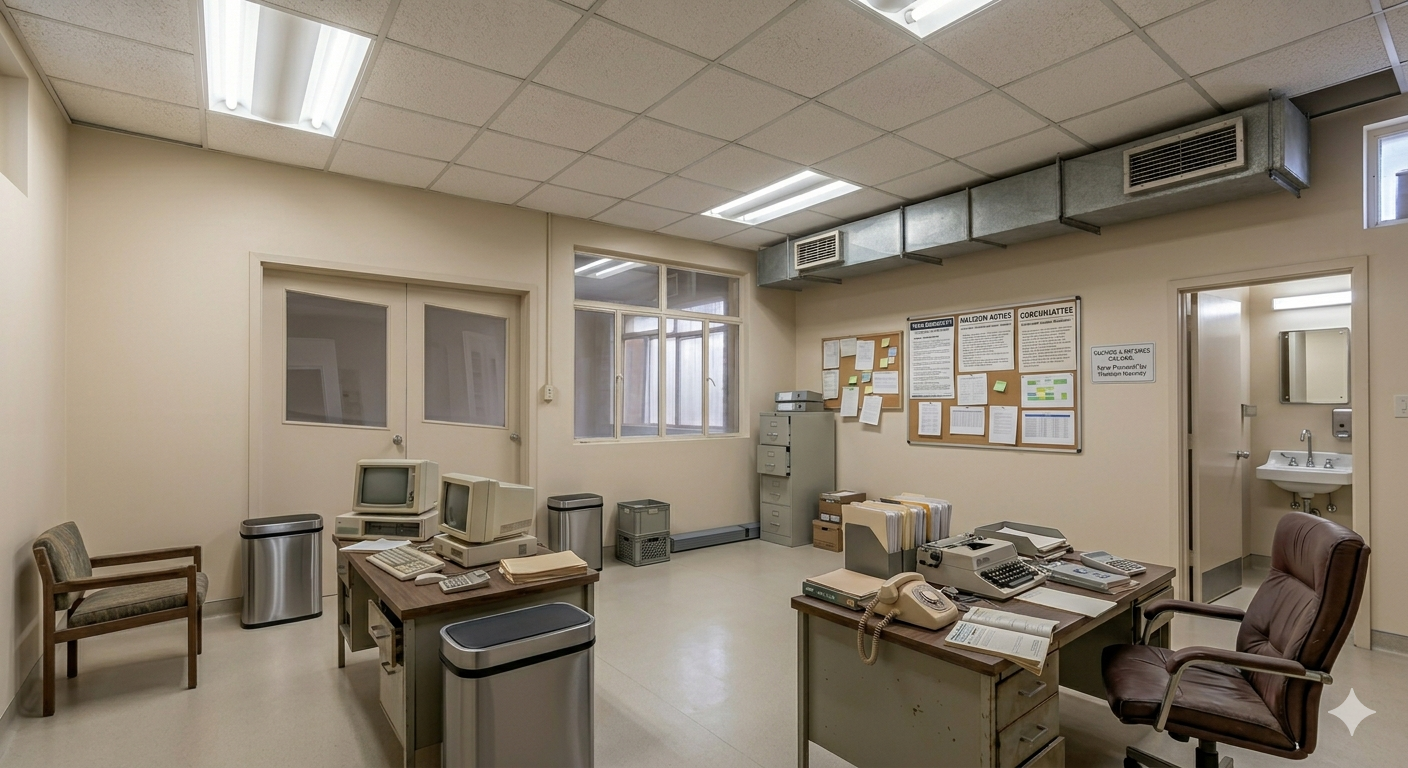
Poor indoor air quality is directly linked to reduced cognitive performance, increased respiratory symptoms, headaches, fatigue, and higher absenteeism — all of which reduce productivity and increase sick day costs. CO2 above 1,000 ppm measurably impairs decision-making. Elevated particulates irritate airways. A properly filtered and ventilated facility produces better employee outcomes.
IAQ improvements measurably reduce sick days
OSHA & ASHRAE IAQ Compliance
OSHA requires employers to provide working environments free from recognized health hazards — including inadequate ventilation and indoor air contaminants. ASHRAE 62.1 establishes minimum ventilation rates for occupied commercial spaces. Most commercial facilities have never verified that their HVAC systems are actually delivering these minimum rates to all zones. JAM's ventilation verification and documentation closes this gap.
Zero IAQ compliance violations for PM clients
Extended HVAC System Life
Overloaded air filters restrict airflow and force HVAC blowers to work harder — increasing energy consumption and accelerating wear on motors and fan components. Filters that are never replaced accumulate enough debris to collapse, sending particulate directly to HVAC coils. JAM's scheduled filter replacement program maintains proper airflow and protects every downstream HVAC component from premature contamination and wear.
Timely filter changes extend HVAC coil life
Client & Audit Readiness
Enterprise clients in food, pharmaceutical, and logistics sectors include IAQ assessment in facility audits — verifying ventilation performance, filter maintenance records, and purification system documentation. A facility without IAQ records cannot demonstrate compliance regardless of actual air quality conditions. JAM's documentation program ensures every audit question about air quality has a documented, dated answer on file.
Audit-ready maintenance records
Mold & Moisture Risk Prevention
Humidity above 60% RH creates conditions for mold growth inside HVAC ductwork, on building surfaces, and within wall cavities — leading to costly remediation, building material damage, and OSHA health hazard citations. JAM's humidity monitoring and assessment program identifies moisture accumulation conditions before mold becomes visible, addressing the HVAC performance or envelope issues driving them.
Humidity issues identified before mold develops
Integrated with HVAC Maintenance
Air quality monitoring is most effective when it operates alongside HVAC preventive maintenance — filter data informing HVAC service intervals, ventilation measurements identifying duct or damper issues, and humidity data flagging coil performance problems. JAM manages both under one integrated facility program, so air quality findings translate directly into HVAC action without a separate service call or coordination gap.
IAQ and HVAC PM coordinated under one program
- The JAM Process
From IAQ Baseline to Year-Round Compliance
JAM manages the complete air quality engagement — assessment, program design, ongoing execution, and documentation — so IAQ compliance is something you maintain automatically, not scramble for before an audit.
IAQ Assessment
JAM walks your facility and conducts an initial air quality assessment — measuring CO2, particulates, humidity, and temperature across occupied zones, reviewing filter types and replacement history, and identifying any ventilation or purification gaps. Findings delivered before any commitment.
Program Designed
A written IAQ program is delivered covering filter types and replacement intervals for each air handler, monitoring schedule, any purification system recommendations, and flat-rate pricing. Tailored to your specific facility conditions — not a generic schedule applied to every building.
Program Executed
Filter replacements run on schedule, ventilation checks completed at defined intervals, monitoring data collected and reviewed, and any purification systems installed and maintained. Issues identified during monitoring are addressed before they affect occupant health or trigger compliance findings.
Documented & Ready
After every program activity, IAQ records are updated — filter replacement logs, monitoring readings, ventilation verification data, and system service records all stored digitally. On demand for any audit, inspection, or client review. No scrambling to produce documentation that should already exist.
- Proven Results
Air Quality Programs We've Built for Real Clients
Documented outcomes from JAM indoor air quality monitoring and filtration programs at active client sites across Central Ohio.
Production Facility IAQ Program & Purification System Installation
The production facility generates fine airborne particulates from its production processes that were migrating into adjacent administrative and break room areas. Filters across all air handlers had no defined replacement schedule. JAM conducted a full IAQ baseline assessment, upgraded filter MERV ratings in affected units, implemented a scheduled replacement program across all air handlers, and installed HEPA purification units in the break room and administrative office areas where particulate readings were highest.
- MERV ratings upgraded across all air handlers serving production-adjacent zones.
- Scheduled filter replacement program established — all air handlers on defined intervals with logs.
- HEPA purification units installed in break room and administrative areas.
- Employee particulate complaints resolved — baseline PM readings confirmed below threshold.
Hub Ventilation Performance Verification & CO2 Monitoring Program
The hub briefing and training rooms showed consistent employee complaints of stuffiness and fatigue during morning briefings. CO2 monitoring by JAM confirmed concentrations exceeding 1,400 ppm in the smaller briefing room — well above ASHRAE 62.1 thresholds for the occupant loads being accommodated. JAM identified that the room's HVAC damper had been partially closed during a prior service visit and never restored. Damper correction resolved the CO2 issue immediately; ongoing monitoring was added to the IAQ program.
- CO2 elevated to 1,400+ ppm identified in briefing room — ASHRAE threshold exceeded.
- Partially closed HVAC damper identified as root cause — corrected immediately.
- CO2 returned to below 800 ppm after damper correction — employee complaints resolved.
- Ongoing CO2 monitoring added to briefing and training rooms — ventilation verified each quarter.
Full IAQ Program Launch & Client Audit Compliance
The facility had no documented IAQ program — filter replacements were ad hoc, no ventilation verification had ever been performed, and no monitoring records existed. An upcoming client facility audit that included IAQ assessment prompted JAM's engagement. JAM conducted a baseline assessment, established a filter replacement program across all air handlers with proper interval logging, and produced a written IAQ compliance report covering all monitored parameters. The audit was passed with no IAQ findings.
- Full IAQ baseline assessment completed — all zones tested before program launch.
- Filter replacement program established — all air handlers on schedule with replacement logs.
- Written IAQ compliance report produced — ventilation, filtration, and monitoring data documented.
- Client audit passed — zero IAQ findings across all assessed parameters.
- Who We Serve
Air Quality Programs Built for These Facility Types
Commercial Office Buildings
Tailored maintenance programs keeping corporate spaces compliant, comfortable, and running without interruption.
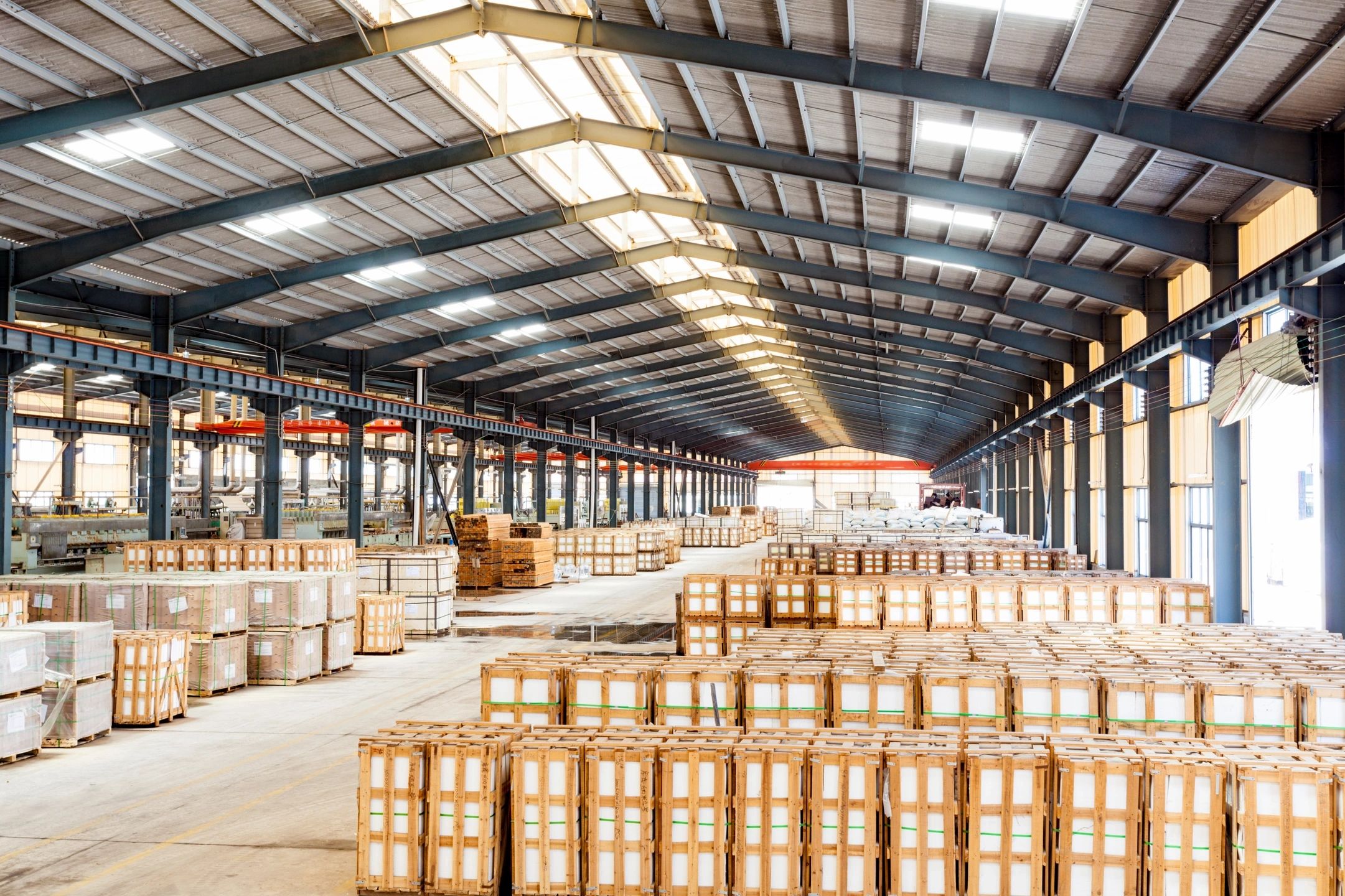
Warehouses & Distribution Centers
Preventive and emergency maintenance built around your operational tempo, shift schedules, and uptime demands.

Commercial & Retail Properties
Full-facility care for retail and mixed-use properties — keeping tenant spaces consistently clean, safe, and fully compliant.

Community & Municipal Facilities
Budget-conscious maintenance programs designed around the unique compliance and safety needs of public spaces.
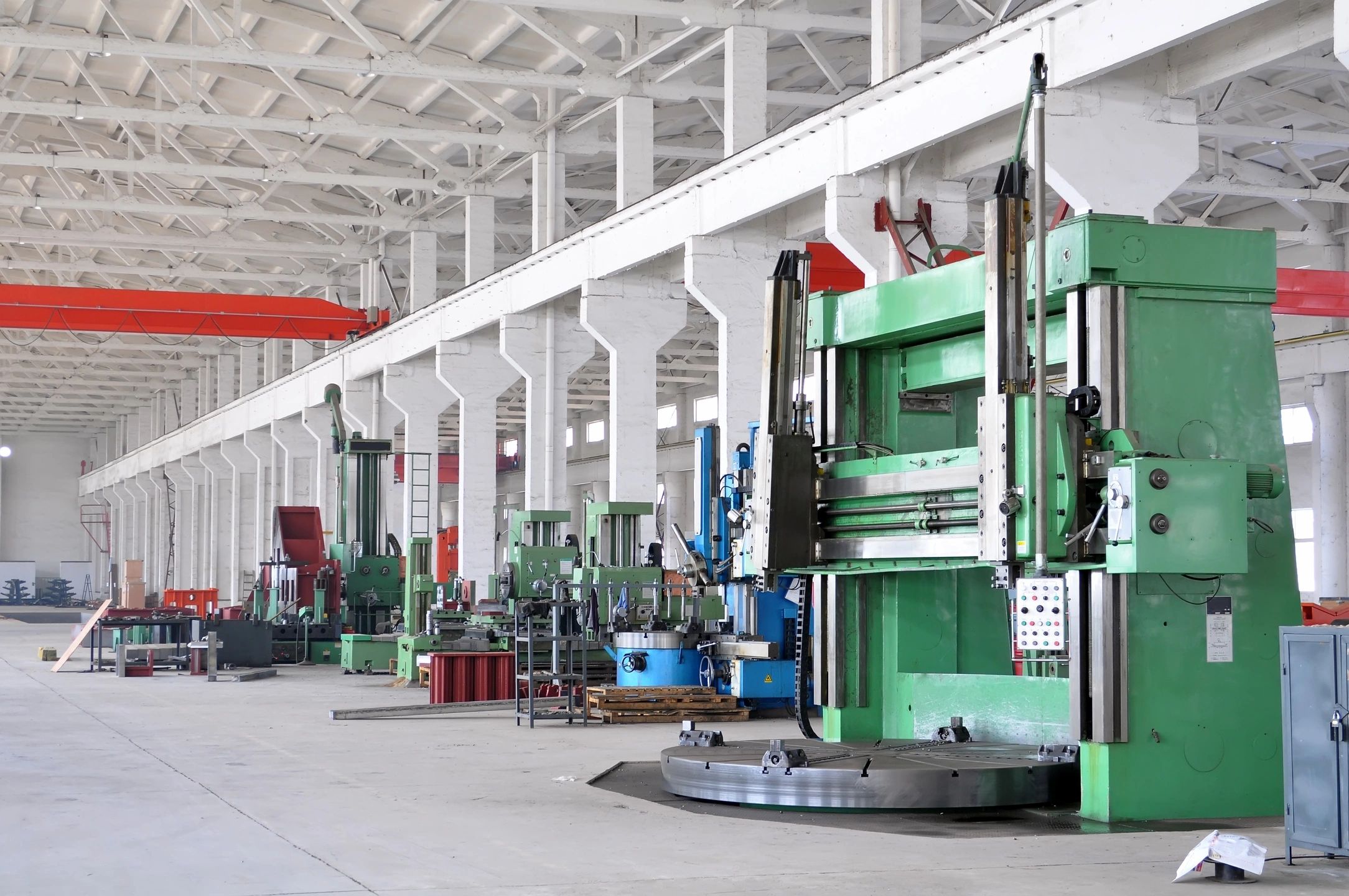
Manufacturing & Industrial Plants
Heavy-duty preventive maintenance for complex industrial systems — minimizing downtime and protecting production.

Multi-Site
Portfolios
One partner, one contract, one invoice — unified facility maintenance across every location in your entire portfolio.
- What Gets Missed
Common IAQ Problems JAM Identifies in Commercial Facilities
Most indoor air quality problems in commercial facilities are not dramatic events — they are slow, invisible degradations of conditions that nobody notices until someone complains, an audit finds a violation, or HVAC systems start failing earlier than expected. These are the conditions JAM’s assessment program identifies and corrects.
Overloaded Filters Never Replaced
Filters left in service well past their useful life restrict airflow, degrade air quality, and force HVAC blowers to work harder — the most common single IAQ deficiency in commercial facilities.
Inadequate Ventilation in Occupied Zones
HVAC systems delivering less than ASHRAE 62.1 minimum fresh air rates to occupied spaces — causing CO2 buildup, stuffiness, and measurable reductions in occupant cognitive performance and comfort.
VOC Emissions from Building Materials
Adhesives, flooring, paint, and furnishings emitting VOCs at levels that cause headaches, eye irritation, and fatigue — often attributed to general illness rather than the building environment causing them.
High CO2 in Conference Rooms
Meeting rooms packed beyond their HVAC design occupant load develop CO2 levels that impair focus and decision-making during meetings — a known productivity problem with a straightforward ventilation solution.
Humidity Driving Mold in HVAC Ducts
Excess humidity accumulating inside ductwork and air handlers promotes mold colonization that distributes spores throughout the facility — a health hazard that spreads through the ventilation system designed to improve air quality.
Wrong MERV Rating for Facility Conditions
Filters with MERV ratings too low to capture facility-specific particulates — industrial dust, fine powders, or biological aerosols — allowing contaminants to pass through filtration and remain in the breathing air.
No IAQ Documentation on File
Facilities without filter replacement logs, ventilation verification records, or monitoring data cannot demonstrate IAQ compliance during audits — regardless of actual air quality conditions in the building.
Industrial Process Emissions in Office Zones
Production or industrial processes generating particulates, fumes, or odors that migrate into adjacent office and break room areas because air pressure differentials or filtration programs were never designed to prevent cross-contamination.
- Standards & Frameworks We Reference
Codes & Compliance We Keep You Aligned With
JAM’s air quality programs are designed to satisfy these regulatory and industry standards — with documentation available on demand for any inspection or audit.

Indoor Air Quality Guidelines
EPA indoor air quality guidelines covering VOC exposure limits, particulate matter standards, and recommended CO2 thresholds — JAM's baseline testing and ongoing monitoring tracks performance against EPA IAQ benchmarks.

Industrial Hygiene Exposure Guidelines
ACGIH threshold limit values for specific airborne contaminants in occupational environments — applicable to facilities with industrial processes generating particulates, fumes, or chemical emissions that affect adjacent occupied areas.

OSHA 1910.94 Ventilation & IAQ Requirements
OSHA requires employers to provide workplaces free from recognized health hazards including inadequate ventilation and indoor air contaminants — JAM's monitoring and documentation program satisfies OSHA IAQ compliance requirements.

Standard 62.1 — Ventilation for IAQ
The primary commercial IAQ standard — specifying minimum ventilation rates for acceptable indoor air quality in all occupied building types. JAM's ventilation verification confirms ASHRAE 62.1 compliance in every zone.
Do You Know What's in Your Facility's Air?
JAM’s free IAQ assessment measures baseline air quality across all occupied zones, reviews filter condition and replacement history, checks ventilation performance against ASHRAE 62.1, and delivers a written program proposal — at no charge, no commitment required. Most facilities discover at least one significant IAQ gap in the first visit.
Seen Enough to Know We're the Right Fit?
Request a free facility assessment — no obligation, no pressure, just a real conversation about your needs.
- Air Quality FAQ
Common Questions About Our IAQ Program
Answers to the questions facilities managers ask most before starting an indoor air quality program with JAM.
JAM's IAQ program covers baseline testing and assessment, ongoing filter replacement programs, air purification system installation, ventilation performance checks, CO2 and particulate monitoring, VOC source identification, humidity control assessment, and IAQ compliance documentation. Service can be a one-time assessment, an ongoing monitoring program, or a full IAQ management engagement.
Intervals depend on filter type, MERV rating, and facility conditions. Standard 1-inch filters in office environments typically need replacement every 1–3 months. Higher-MERV filters may require more frequent changes; industrial environments with high particulate loads may need monthly changes. JAM establishes the correct interval for each air handler based on specific filter type and facility conditions — not a generic schedule.
Key applicable standards include ASHRAE 62.1 (ventilation rates for acceptable IAQ), OSHA 1910.94 (ventilation for specific industrial processes), EPA indoor air quality guidelines, and ACGIH exposure guidelines for specific contaminants. Enterprise clients often have proprietary IAQ requirements exceeding these minimums. JAM's program documents performance against each applicable standard.
CO2 monitoring measures carbon dioxide concentrations as a proxy for ventilation adequacy. Levels above 1,000 ppm indicate insufficient fresh air for the occupant load — causing stuffiness, reduced cognitive performance, headaches, and increased transmission risk. Monitoring CO2 continuously identifies under-ventilated zones before occupants begin reporting symptoms.
Yes. JAM installs supplemental purification systems where HVAC filtration alone is insufficient — HEPA filtration units for high-particulate areas, UV-C germicidal systems for pathogen reduction, and ionization units for VOC and odor control. System selection is based on the specific IAQ gap identified in the baseline assessment — not a generic recommendation applied uniformly.
IAQ has well-documented effects on occupant health and cognitive function. Elevated CO2 reduces decision-making performance and focus. Poor filtration increases respiratory irritation and sick building syndrome. VOC exposure causes headaches, fatigue, and eye irritation. Facilities with poor IAQ typically see elevated absenteeism and reduced productivity — costs that significantly exceed the cost of a proper filtration and monitoring program.
Yes. JAM manages IAQ programs for multi-site clients including Coca-Cola, FedEx Express, and DHL Express across multiple Central Ohio locations. Multi-site programs benefit from standardized filter specifications and replacement schedules across locations, consolidated IAQ reporting, and a single point of contact for all air quality monitoring and filtration needs.
IAQ programs can be standalone or integrated with JAM's HVAC PM. Clients who combine both benefit from a coordinated approach — filter condition data informing HVAC service intervals, ventilation measurements identifying duct or damper issues, and humidity data flagging coil performance problems. IAQ and HVAC are most effective as a single integrated program.