- Every Visit, Every Time
What's Included in Every Ventilation Visit
Every scheduled JAM ventilation PM visit covers the full checklist below — with CFM airflow testing, photo documentation, and a written service report delivered the same day.
- Why It Matters
The Real Benefits of a JAM Ventilation Program
Ventilation maintenance isn’t just about fans running — it’s about air quality, worker safety, energy efficiency, and regulatory standing. Here’s what a JAM program delivers.
Healthier Indoor Air Quality
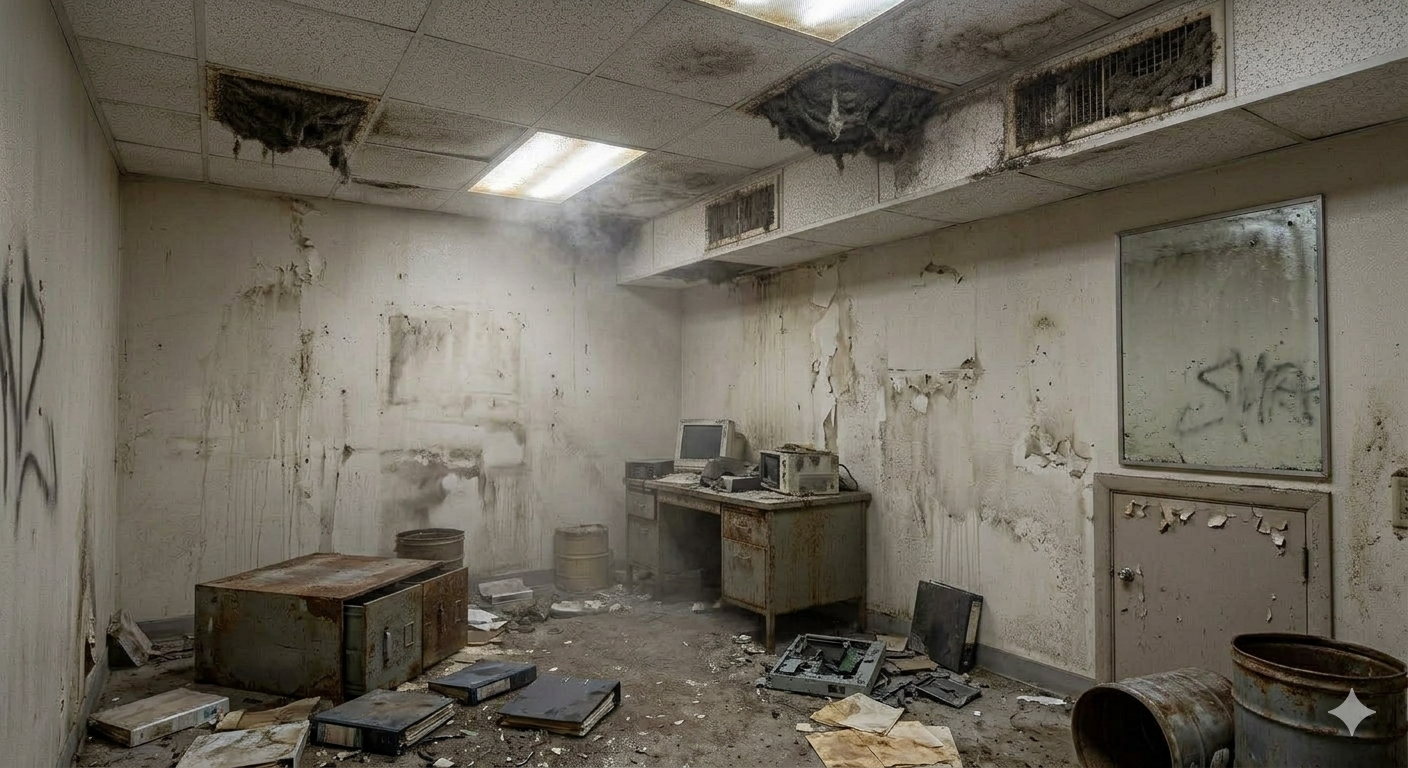
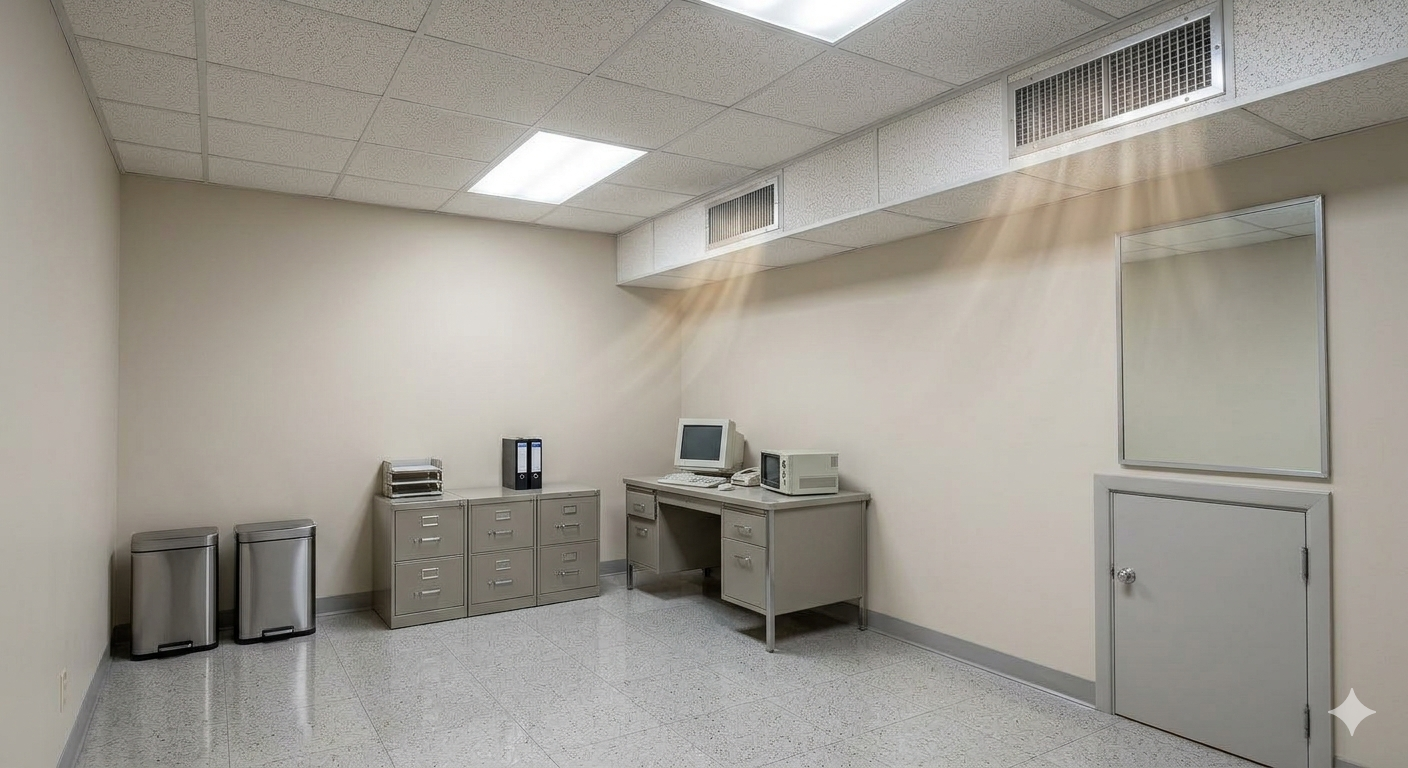
Grease-coated fan blades, clogged grilles, and underperforming exhaust systems allow heat, humidity, fumes, and particulates to accumulate in occupied spaces. Clean, correctly operating ventilation is the single most direct lever for improved indoor air quality across a facility.
Meets ASHRAE 62.1 IAQ ventilation rates
OSHA & Code Compliance
OSHA 29 CFR 1910.94 requires adequate ventilation wherever hazardous airborne substances are present. ASHRAE 62.1 sets minimum air change rates for commercial occupancies. JAM's documented PM programs keep your systems performing to these standards with records ready for any inspection.
Zero OSHA ventilation violations for PM clients
Reduced Energy Consumption
Dirty fan blades force motors to work harder to move the same volume of air — increasing energy draw by 15–25% per unit. Clean blades, properly tensioned belts, and lubricated bearings restore full aerodynamic efficiency, bringing energy consumption back to rated levels across every fan in the facility.
15–25% energy recovery from blade cleaning
Extended Equipment Life
Unlubricated bearings seize. Misaligned belts snap. Unbalanced blades vibrate shafts into failure. These are all predictable, preventable mechanical failures. JAM's PM program catches every one of them before they escalate — routinely extending exhaust fan service life by 4–6 years beyond unserviced equipment.
4–6 year life extension vs. unserviced fans
Fire Hazard Reduction
Grease accumulation in exhaust fan housings and ductwork is a significant fire risk — particularly in manufacturing, food production, and warehouse environments. Regular cleaning removes the fuel source, and documented cleaning records satisfy insurance and fire code inspection requirements.
Grease buildup is a leading commercial fire cause
HVAC System Protection
Exhaust and supply ventilation systems are the pressure balancing complement to HVAC. When exhaust fans underperform, HVAC systems compensate — working harder, consuming more energy, and wearing out faster. Properly maintained ventilation keeps HVAC load balanced and equipment lives aligned.
Better ventilation = lower energy, longer HVAC lifespan
- The JAM Process
How We Get Your Ventilation Under Control
From first walkthrough to active program, here’s exactly what a JAM ventilation engagement looks like — systematic, documented, and built around your operational schedule.
Facility Walkthrough
A JAM technician walks your entire facility at no charge — inventorying every exhaust fan, make-up air unit, and ductwork run, recording model numbers, current condition, and any immediate performance concerns.
Custom PM Schedule Built
Based on your fan count, usage environment, and applicable compliance requirements, we deliver a written ventilation PM schedule with service frequencies, scope, and a flat-rate program cost — no surprises.
Program Starts
JAM arrives on schedule, works around your operations, services every fan and unit on the inventory list, runs CFM performance tests, and delivers a full written report with airflow data and photos the same day.
24/7 Emergency Backup
Between scheduled visits, our emergency line runs around the clock. Burst pipe, sewage backup, major leak — call +1 (614) 815-7784 and a JAM technician is dispatched immediately, on-site within the day.
- Proven Results
Ventilation Work We've Done for Real Clients
Documented outcomes from JAM exhaust fan and ventilation programs at active client sites across Central Ohio.
Production Floor Exhaust & Air Ventilation Overhaul
JAM's initial ventilation assessment at the plant revealed severe grease accumulation on 8 production-area exhaust fan assemblies — with CFM measurements showing 3 fans delivering less than 60% of rated airflow. A bi-annual exhaust fan and air ventilation cleaning program was implemented immediately alongside the HVAC PM program.
- All 8 fans restored to rated CFM output within the first PM cycle.
- Production floor heat complaints eliminated within two weeks of service.
- Grease fire risk resolved — housings fully cleaned and documented.
- FDA IAQ audit passed with ventilation maintenance records on file.
Distribution Hub Exhaust Fan & Conveyor Ventilation Program
The distribution hub operates high-throughput conveyor sort systems that generate significant heat and dust. JAM established a quarterly exhaust fan PM program covering all rooftop and wall-mounted exhaust units — synchronized with conveyor belt maintenance windows to avoid operational interference during peak sort periods.
- Sort floor temperatures reduced by 8°F average during summer peak following initial service.
- All maintenance completed during off-peak windows — zero sort operation disruptions.
- 2 belt replacements caught early — both replaced before failure during quarterly visit.
- Quarterly CFM documentation maintained for OSHA and client compliance records.
Air Ventilation Cleaning & IAQ Compliance Program
Following the facility's enrollment in JAM's total facility maintenance program, a ventilation assessment identified persistent air quality issues in the vehicle staging area — traced to three non-functional dampers blocking exhaust discharge from the dock area. All dampers were repaired and a semi-annual air ventilation cleaning schedule was established.
- Dock area air quality restored within 48 hours of damper repair.
- All 3 failed dampers repaired and actuated to full open/close spec.
- IAQ complaint log cleared — zero air quality grievances in 12 months post-service.
- Semi-annual ventilation PM established with full CFM and compliance documentation.
- Who We Serve
Ventilation Programs Built for These Facility Types
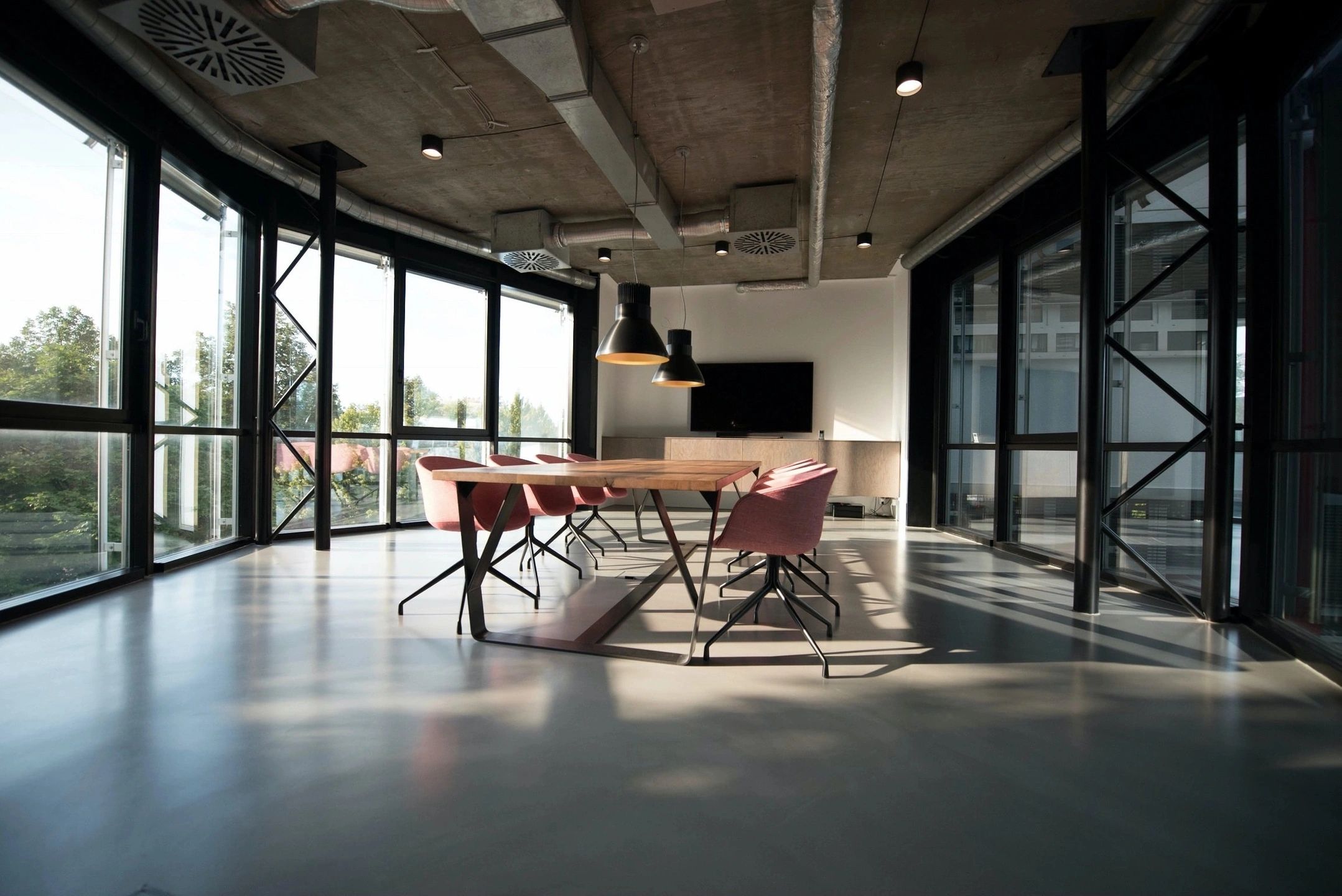
Commercial Office Buildings
Tailored maintenance programs keeping corporate spaces compliant, comfortable, and running without interruption.
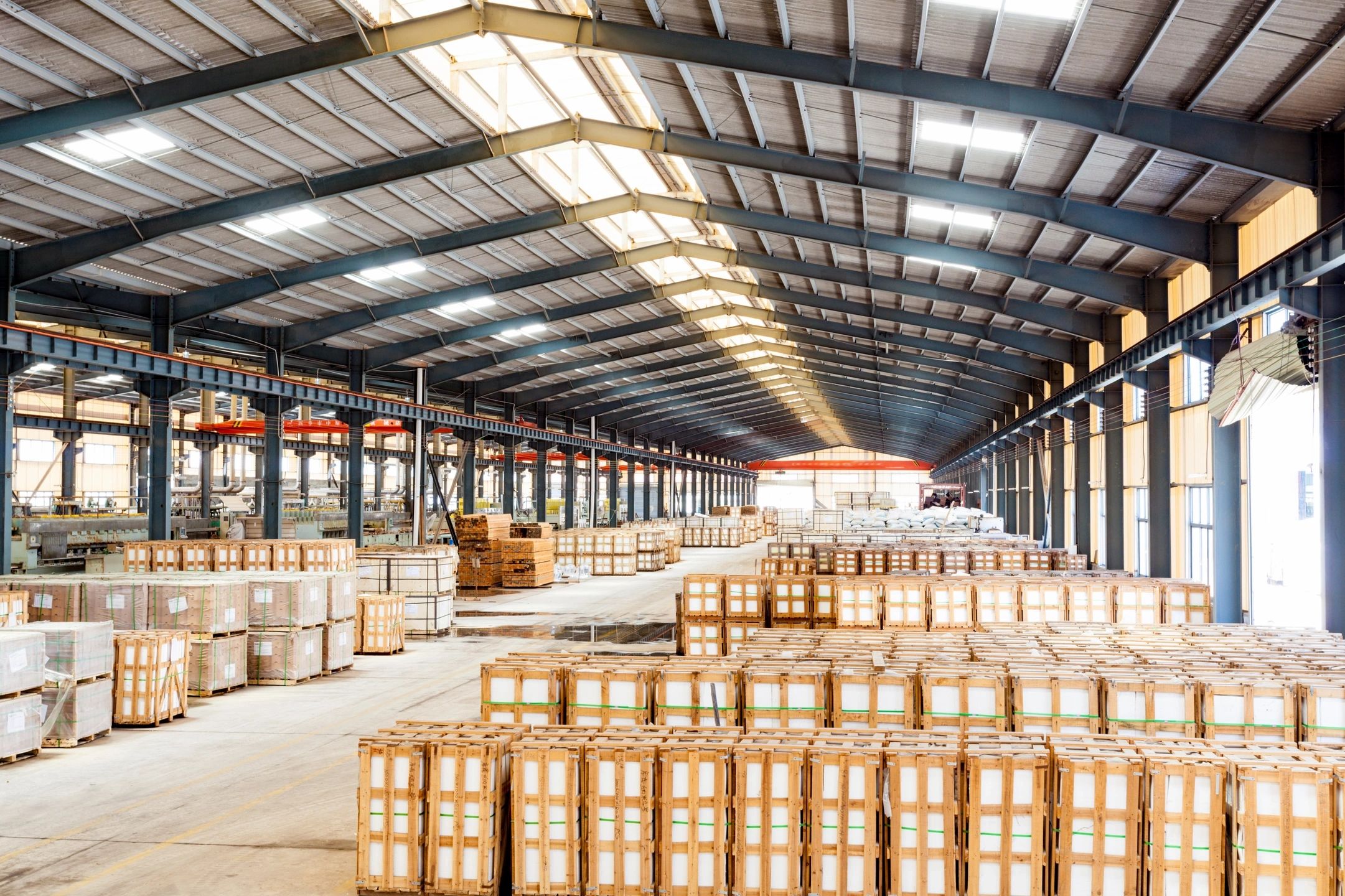
Warehouses & Distribution Centers
Preventive and emergency maintenance built around your operational tempo, shift schedules, and uptime demands.

Commercial & Retail Properties
Full-facility care for retail and mixed-use properties — keeping tenant spaces consistently clean, safe, and fully compliant.

Community & Municipal Facilities
Budget-conscious maintenance programs designed around the unique compliance and safety needs of public spaces.
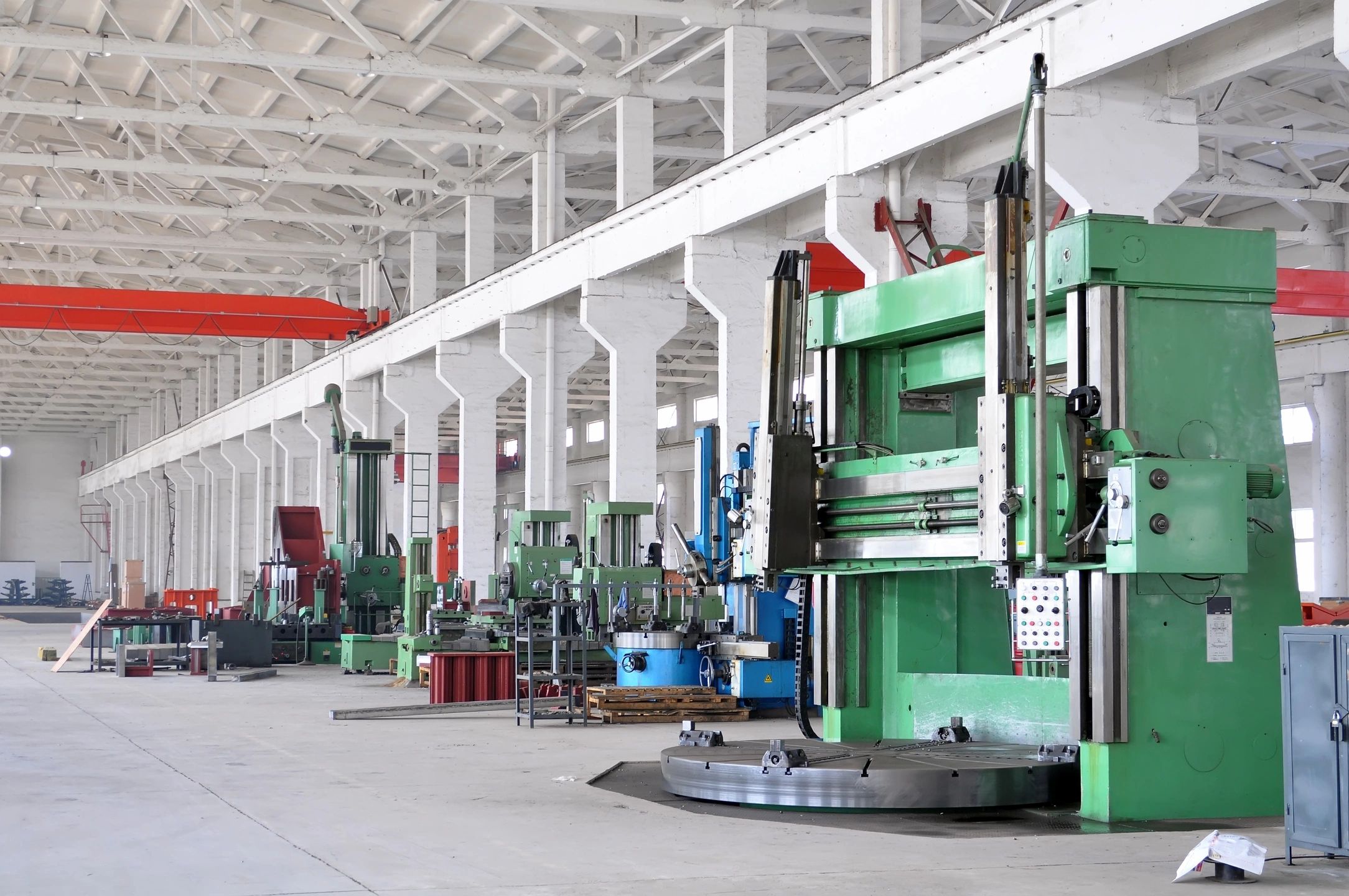
Manufacturing & Industrial Plants
Heavy-duty preventive maintenance for complex industrial systems — minimizing downtime and protecting production.

Multi-Site
Portfolios
One partner, one contract, one invoice — unified facility maintenance across every location in your entire portfolio.
- What We Find
Common Ventilation Failures JAM Catches Before They Escalate
Most exhaust fan failures don’t happen suddenly. They develop over months through predictable mechanical and environmental degradation. These are the conditions JAM technicians identify and resolve during every ventilation PM program — before they become downtime events or compliance violations.
Grease & Particulate Blade Buildup
Coated blades lose aerodynamic efficiency — reducing airflow up to 30% while drawing the same energy.
Dry or Failed Motor Bearings
Unlubricated bearings generate excessive heat and friction — leading to shaft failure and complete motor seizure.
Worn or Misaligned Drive Belts
Slipping or cracked belts reduce fan RPM below design speed — cutting airflow delivery without any visible warning.
Stuck or Failed Dampers
Motorized dampers that fail to open block supply or exhaust airflow entirely, unbalancing the ventilation system.
Debris-Blocked Duct Runs
Debris-Blocked Duct Runs Accumulated debris in ductwork restricts airflow to specific zones, causing hot spots, fume pockets, and pressure imbalance.
Disconnected Flex Duct Sections
Flex duct connections that separate or kink discharge conditioned or exhaust air into unconditioned spaces instead of outside.
Obstructed Louvers & Grilles
Debris or pest nest buildup in intake louvers and exhaust grilles chokes system airflow and creates re-entry contamination risk.
Make-Up Air Unit Filter Neglect
Clogged MAU filters cause heat exchanger fouling, burner inefficiency, and negative pressure that draws unconditioned outside air through building gaps.
- Standards We Work To
Codes & Compliance We Keep You Aligned With
Every JAM ventilation PM visit is performed against these standards — keeping your facility compliant and your airflow documentation audit-ready.
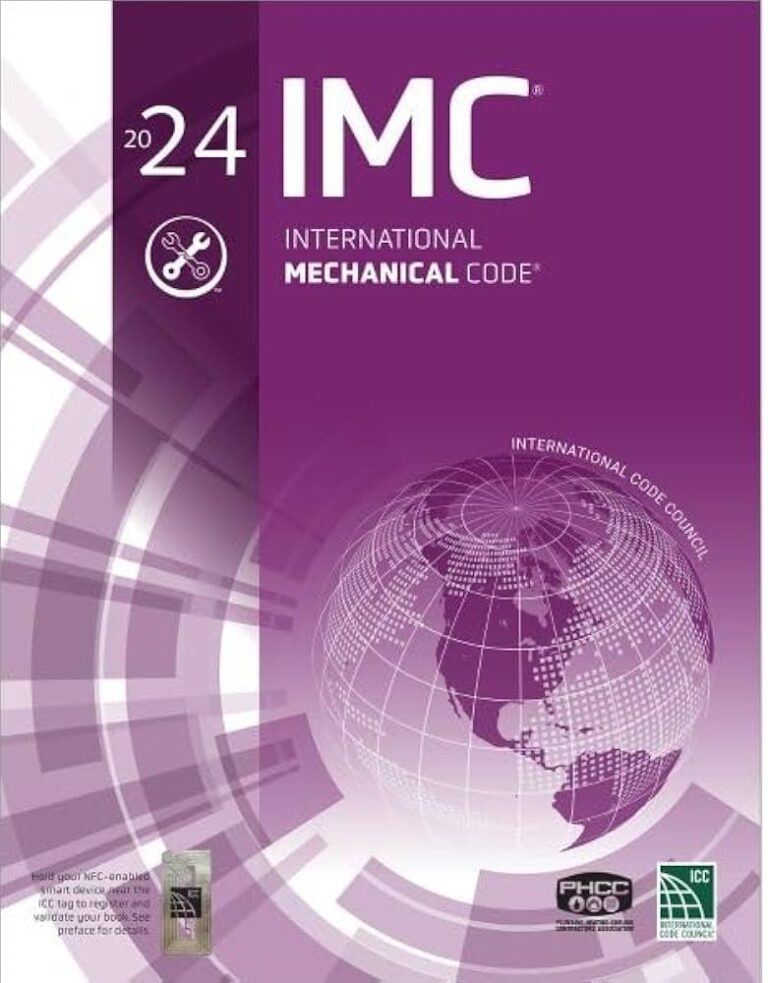
International Mech. Code
Mechanical ventilation installation and maintenance standards adopted by Ohio for commercial building system compliance.
OSHA: 29 CFR 1910.94
Federal ventilation standard for workplaces where hazardous airborne substances, dusts, fumes, mists, or vapors are present.
OSHA: 1910.1000 Air Contaminants
Permissible exposure limits (PELs) for airborne substances — enforced through adequate exhaust and dilution ventilation.

ASHRAE 62.1
Ventilation for Acceptable Indoor Air Quality — sets minimum ventilation rates for commercial and institutional occupancies.
If Air Isn't Moving,Problems Are Building
JAM’s free facility assessment inventories every exhaust fan and ventilation unit, measures current airflow performance, and delivers a written condition report with a flat-rate PM program proposal — no commitment.
Seen Enough to Know We're the Right Fit?
Request a free facility assessment — no obligation, no pressure, just a real conversation about your needs.
- Ventilation FAQ
Common Questions About Our Ventilation Service
Answers to the questions facility managers ask most before starting a commercial plumbing maintenance program with JAM.
Most commercial exhaust fans should be serviced at minimum twice per year. High-use environments — manufacturing plants, warehouses with heavy particulate, and food production facilities — typically require quarterly servicing. JAM designs custom ventilation PM schedules based on each facility's fan count, usage intensity, environmental conditions, and applicable code requirements.
Every JAM ventilation PM visit includes: exhaust fan blade and housing cleaning, motor bearing lubrication, belt tension and condition inspection, pulley alignment check, CFM airflow performance testing, louver and damper inspection and cleaning, make-up air unit filter check, and a written service report with airflow data and photos.
OSHA 29 CFR 1910.94 and 1910.1000 require employers to control airborne contaminants and maintain adequate ventilation wherever hazardous substances, heat, or fumes are present. ASHRAE 62.1 sets minimum ventilation rates for commercial occupancies. JAM's ventilation PM programs keep systems performing to these standards — with documentation available for any inspection.
An exhaust fan failure in an industrial or manufacturing facility can trigger rapid heat buildup, fume and particulate accumulation, regulatory violations, and in serious cases an OSHA-mandated work stoppage. In food production environments, ventilation failure can compromise product safety and trigger FDA notifications. JAM's 24/7 emergency response guarantees on-site arrival within the day for any critical ventilation failure.
Yes. JAM performs CFM (cubic feet per minute) airflow measurements at exhaust fan discharge and intake points to verify actual airflow against design specifications and code minimums. If a fan is running but underperforming — due to blade buildup, motor wear, belt slippage, or duct obstruction — JAM identifies the root cause and restores performance to spec.
Yes. Make-up air units (MAUs) are serviced as part of JAM's ventilation program — including filter replacement, heat exchanger inspection, combustion system check, and controls calibration. Exhaust and make-up air systems are interdependent; servicing one without the other produces incomplete results.
Yes. JAM manages exhaust fan and ventilation PM programs for Coca-Cola, FedEx Express, and DHL Express across multiple Central Ohio locations. Multi-site clients receive unified scheduling, consolidated service documentation, and single-invoice billing across all facilities.
Common signs include: unusual noise during operation (grinding, squealing, or rattling), visible grease or particulate buildup on blades and housings, reduced airflow noticeable as heat or odor accumulation in occupied areas, increased energy consumption on ventilation circuits, and visible vibration during operation. Any of these warrants an immediate inspection — call +1 (614) 815-7784.