- Full Program Scope
What's Included in Every Technical Program
JAM builds each tehnical equipment program around your specific inventory — but every program covers scheduled PM, lubrication, failure inspection, minor repairs, and complete service documentation for every piece of equipment in scope.
- Why It Matters
The Real Benefits of a JAM Equipment PM Program
In high-throughput environments, equipment reliability isn’t just a maintenance metric — it’s an operational one. Here’s what a structured PM program actually delivers.
Unplanned Downtime Eliminated
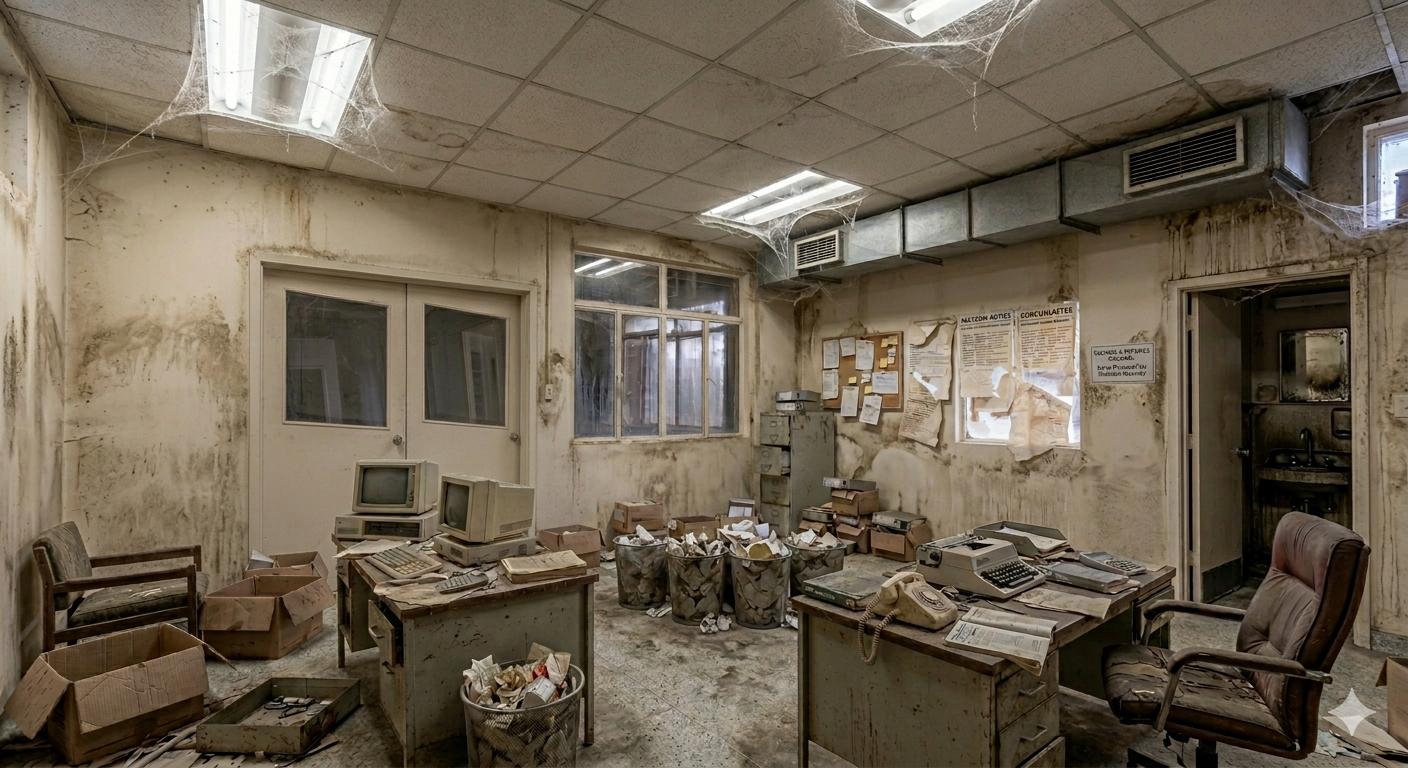
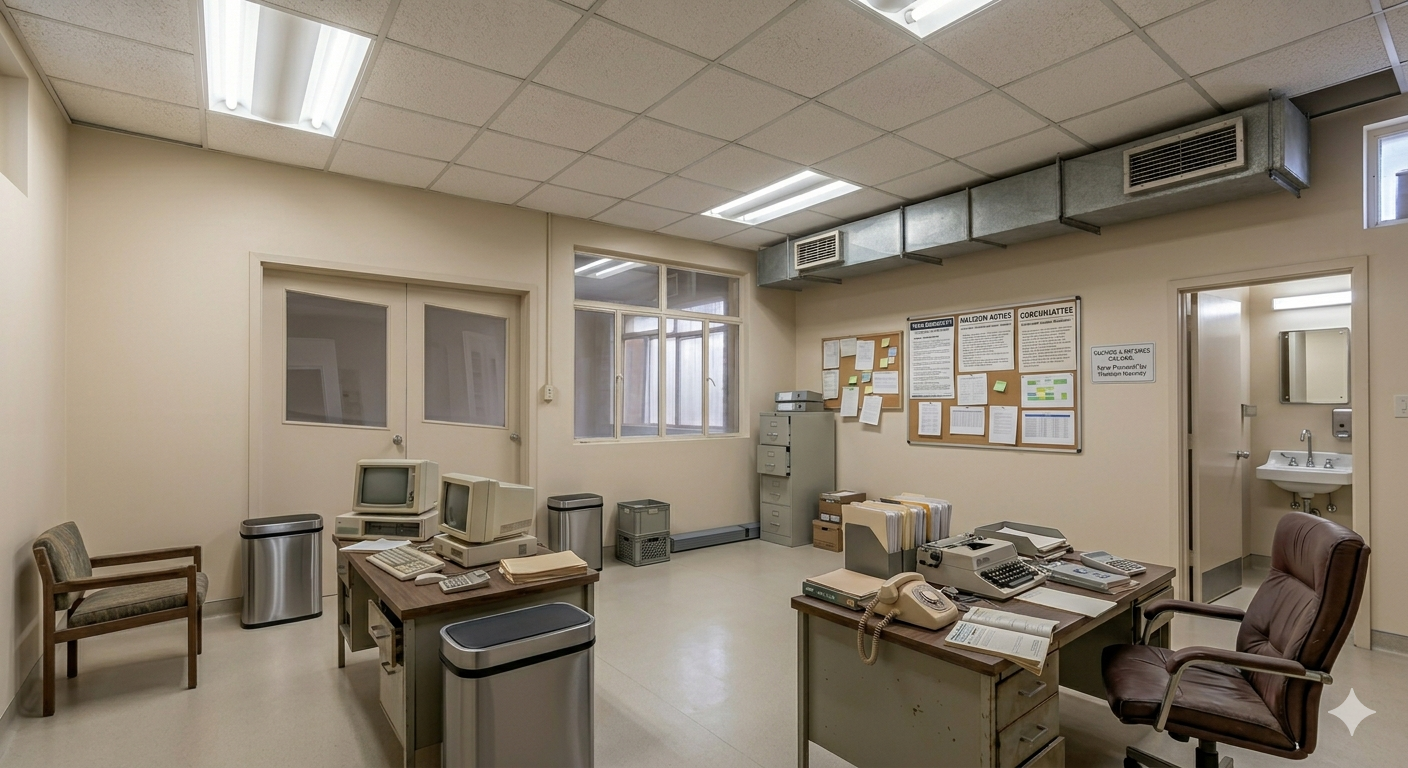
Unplanned equipment downtime in a distribution center doesn't happen in isolation — a conveyor failure stops the sort, a packaging machine failure backs up the line, a dock outage blocks freight. JAM's PM program catches the predictable failure modes before they trigger — dry bearings, worn belts, misaligned tracking — eliminating the in-shift surprises that cost throughput.
Failures caught at PM — not during the sort shift
Extended Equipment Life
Equipment that runs without scheduled lubrication, belt tension adjustment, and bearing inspection wears out significantly faster than maintained equipment. Proper PM extends the functional life of conveyors, packaging machines, and dock equipment — deferring major repair costs and capital replacement investment that result directly from deferred maintenance.
PM defers capital replacement investment
Lower Total Repair Costs
Emergency repair calls are significantly more expensive than scheduled PM — parts at premium pricing, after-hours labor rates, and the downstream cost of the downtime itself. A scheduled PM program that catches and addresses early-stage issues during normal maintenance windows costs a fraction of the reactive repair cycle that results from no preventive program at all.
Scheduled PM costs far less than emergency calls
Client & Audit Readiness
Enterprise clients in logistics and distribution — including major carriers and shippers — conduct facility audits that assess equipment condition, maintenance program documentation, and operational reliability. JAM's equipment PM program provides the service records, inspection logs, and maintenance documentation that satisfy these audit requirements without scrambling to produce records that don't exist.
Audit-ready maintenance records
Throughput Protection
Every hour of unplanned conveyor or equipment downtime in a distribution hub represents packages that didn't move, shifts that ran short, and service commitments under pressure. JAM's PM program is designed specifically for high-throughput environments where equipment availability is a direct operational variable — not just a maintenance concern. Reliability is the product.
Equipment availability protects sort capacity
One Partner, Full Facility
Equipment PM is most effective when it is coordinated alongside the broader facility maintenance program — HVAC that keeps the equipment environment within operating temperature range, electrical that keeps power supply stable, and structural maintenance that keeps the floor and dock infrastructure sound. JAM manages all of it under one integrated facility engagement, not six separate vendor relationships.
Equipment PM integrated with full facility program
- The JAM Process
From Equipment Assessment to Failure-Free Operations
JAM manages the complete equipment PM engagement — inventory, program design, scheduled execution, and documentation — so equipment reliability becomes something you count on, not something you manage.
Equipment Assessment
JAM walks your facility and inventories all equipment in scope — conveyors, packaging machines, dock equipment, and support tools — documenting current condition, existing PM records, and any immediate concerns. Program designed from the actual inventory, not a generic template.
PM Program Designed
A written PM program is delivered specifying intervals, tasks, lubricants, and inspection points for each piece of equipment — scheduled around your operational windows so maintenance never conflicts with peak throughput. Flat-rate pricing with no per-visit surprises.
PM Executed on Schedule
Maintenance runs on the agreed schedule — shift transitions, planned downtime windows, or nights and weekends as required. Each visit covers all equipment in scope: lubrication, inspection, adjustments, and any minor repairs needed. Early-stage issues resolved during the visit, not escalated to the next one.
Documented & On Record
After every visit, service records are updated for each piece of equipment — work completed, lubricants used, conditions observed, and any follow-up recommendations. Records stored digitally and available on demand for any audit, warranty claim, or lifecycle review.
- Proven Results
Equipment Programs We've Built for Real Clients
Documented outcomes from JAM technical equipment PM programs at active client sites across Central Ohio.
Production Conveyor PM & Packaging Machine Maintenance Program
The plant operates production conveyors and packaging lines running multi-shift operations. Prior to JAM, equipment PM was reactive — maintenance was called when something failed, not before. JAM assessed the full equipment inventory, established scheduled PM intervals for all conveyors and packaging machines, and implemented a lubrication program covering all drive components. Equipment-related line stoppages dropped significantly within the first quarter.
- Scheduled PM program established for all production conveyors and packaging machines.
- Lubrication program implemented — all drive components on defined intervals with documented lubricants.
- Equipment-related line stoppages reduced significantly in the first quarter after program launch.
- Service records established for every piece of equipment — audit-ready from day one.
Sort Conveyor PM Program & Dock Equipment Servicing
The hub operates conveyor systems across multiple sort operations per day, with dock equipment serving a high volume of inbound and outbound freight movements. JAM implemented a conveyor PM program scheduled during the window between sort operations, covering belt tension, tracking alignment, roller and bearing lubrication, and sensor cleaning. Dock levelers and vehicle restraints were added to the program to prevent dock outages during freight movements.
- Conveyor PM scheduled between sort operations — zero throughput impact from maintenance windows.
- Sensor cleaning added to every visit — sort error rate from contaminated sensors reduced.
- Dock levelers and vehicle restraints on PM program — no unplanned dock outages since program launch.
- Early-stage conveyor belt wear identified and addressed before causing in-sort failures.
Full Equipment PM Program — Conveyor, Dock, Packaging & Lubrication
The facility had no structured equipment PM program — maintenance was entirely reactive with no lubrication schedules, no inspection records, and no early-warning process in place. JAM conducted a full equipment assessment, built a comprehensive PM program covering all conveyors, dock equipment, packaging machines, and support tools, and implemented it over a four-week rollout. Existing equipment conditions documented at program launch created the baseline against which all subsequent PM visits are measured.
- Full equipment PM program built from zero — conveyor, dock, packaging, and support tools all in scope.
- Lubrication schedule established for all equipment — bearing failures due to dry running eliminated.
- Baseline condition documented at program launch — all subsequent PM visits measured against it.
- Client audit passed — equipment maintenance records available for every piece of equipment from day one.
- Who We Serve
Technical Equipment Programs Built for These Facility Types

Commercial Office Buildings
Tailored maintenance programs keeping corporate spaces compliant, comfortable, and running without interruption.
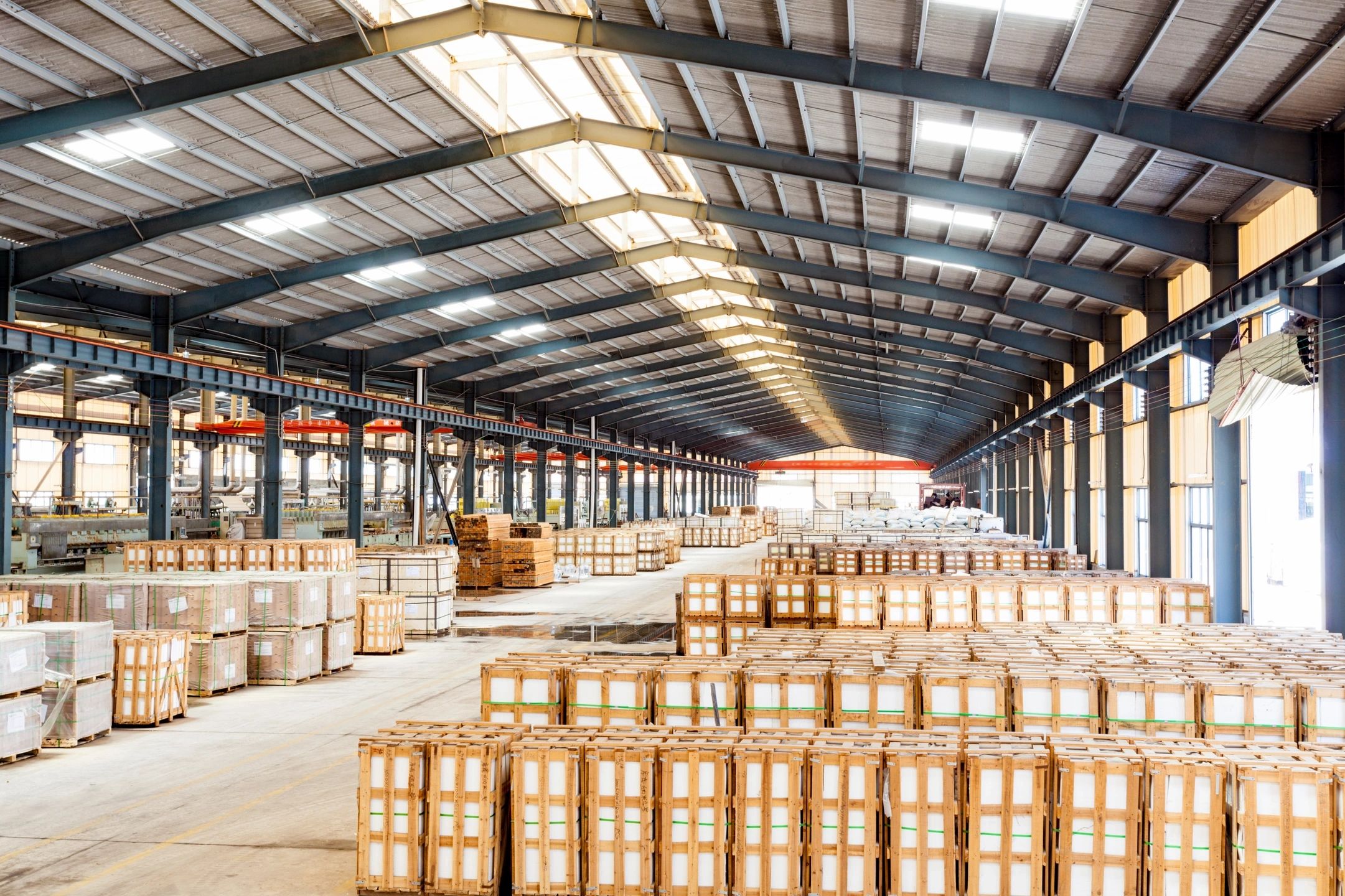
Warehouses & Distribution Centers
Preventive and emergency maintenance built around your operational tempo, shift schedules, and uptime demands.

Commercial & Retail Properties
Full-facility care for retail and mixed-use properties — keeping tenant spaces consistently clean, safe, and fully compliant.

Community & Municipal Facilities
Budget-conscious maintenance programs designed around the unique compliance and safety needs of public spaces.
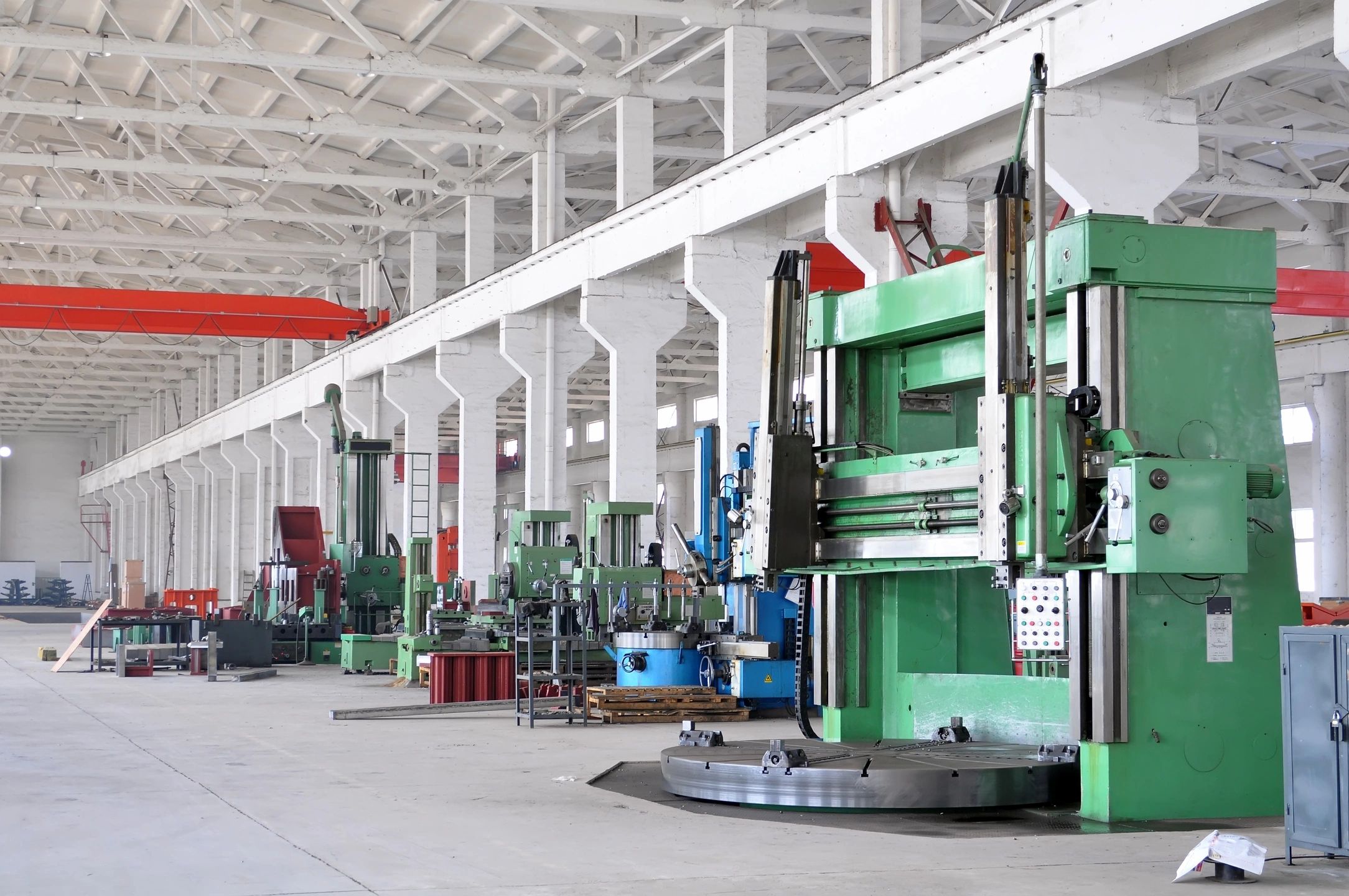
Manufacturing & Industrial Plants
Heavy-duty preventive maintenance for complex industrial systems — minimizing downtime and protecting production.

Multi-Site
Portfolios
One partner, one contract, one invoice — unified facility maintenance across every location in your entire portfolio.
- What Gets Missed
Common Equipment Failure Patterns a PM Program Prevents
Most unplanned equipment failures in distribution centers and industrial facilities are not random events — they are predictable outcomes of deferred maintenance. These are the failure modes JAM’s PM program is specifically designed to catch and prevent before they reach your operating shift.
Conveyor Belt Tracking Failure
Belts that drift off-track due to tension imbalance or roller wear — causing jams, package damage, and conveyor shutdowns mid-sort that require manual intervention to resolve.
Dry Bearing Failure
Bearings running without adequate lubrication overheat, seize, and fail — the most common single cause of unplanned conveyor and equipment downtime, and entirely preventable with scheduled lubrication.
Packaging Machine Seal Failure
Worn seals on packaging machines produce improperly sealed product — triggering line stoppages, rework, and potential product loss from packaging that fails quality inspection.
Dock Leveler Hydraulic Failure
A dock leveler that won't deploy or hold position blocks a dock door — stopping inbound or outbound freight movement at one of the facility's most critical throughput points until repair is completed.
Contaminated Label Sensors
Label sensors on sorters and packaging lines that accumulate dust and product residue produce misreads and false triggers — causing sort errors, label waste, and throughput slowdowns that compound over a shift.
Drive Chain Stretch & Skip
Chains that have stretched beyond adjustment range slip on sprockets, causing jerky conveyor motion, increased vibration, and eventual chain failure — a gradual failure mode that a PM inspection catches before it becomes an emergency.
No Equipment PM Records
Facilities without documented equipment PM records cannot demonstrate maintenance compliance during client audits — creating audit findings that reflect poorly on operational standards regardless of whether actual maintenance was performed.
Debris Accumulation in Conveyor Beds
Labels, tape, packaging fragments, and product debris accumulating in conveyor frames and rollers increase drag, cause belt slippage, and create fire hazards in the conveyor undercarriage — cleared on every JAM PM visit.
- Standards & Frameworks We Reference
Codes & Compliance We Keep You Aligned With
JAM’s technical equipment PM programs are designed with awareness of these regulatory and safety standards — ensuring equipment is maintained to operational, safety, and audit requirements.
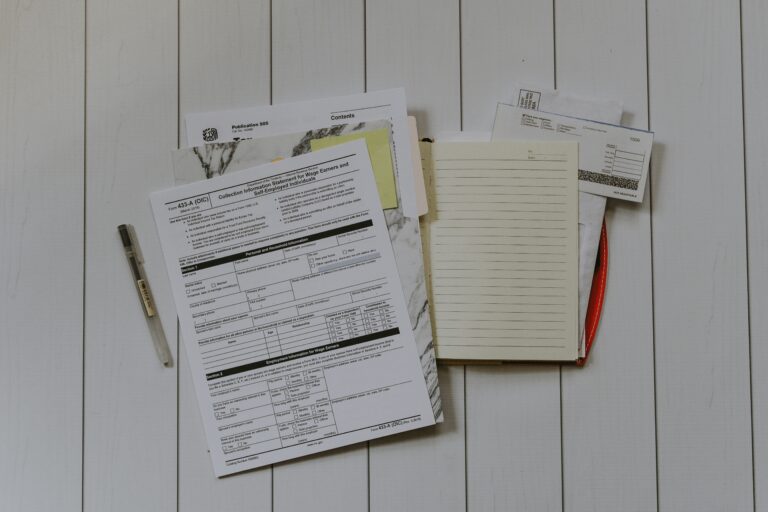
Vendor Audit Standards
Enterprise clients including Coca-Cola, FedEx, and DHL require documented equipment maintenance programs as part of facility vendor audits — JAM's service records satisfy these requirements with records available per equipment, per visit.

NFPA 70E Electrical Safety
NFPA 70E governs electrical safety practices during equipment maintenance — JAM follows lockout/tagout and arc flash safety procedures on all equipment maintenance work involving electrical components.
OSHA 1910.217 Machine Guarding
OSHA machine guarding standards require that guards and safety devices on conveyors and production equipment are maintained in proper working condition — JAM's PM program verifies guard integrity on every inspection visit.
ANSI/ASME B20.1 Conveyor Safety
ANSI B20.1 establishes safety requirements for the installation, maintenance, and operation of conveyors — JAM's conveyor PM procedures align with these standards for guarding, emergency stop functionality, and maintenance access.
Stop Reacting to Equipment Failures. Start Preventing Them.
JAM’s free equipment assessment walks your facility, inventories every piece of equipment in scope, identifies your current PM gaps, and delivers a written program proposal with flat-rate pricing — at no charge, no commitment required. Your next sort shift should run on schedule.
Seen Enough to Know We're the Right Fit?
Request a free facility assessment — no obligation, no pressure, just a real conversation about your needs.
- Equipment Services FAQ
Common Questions About Our Equipment Program
Answers to the questions operations and facilities managers ask most before starting a technical equipment PM program with JAM.
JAM services facility-specific production and distribution equipment including conveyor systems, packaging and labeling machines, case sealers, strapping equipment, dock levelers and restraints, stretch wrappers, pallet jacks, and general production support tools. JAM focuses on preventive maintenance and minor repairs — the work that keeps equipment running reliably between OEM service visits.
Unplanned equipment downtime almost always results from predictable, preventable failure modes — dry bearings, worn belts, misaligned conveyor tracking, loose drive components, and contaminated sensors. Scheduled PM catches these conditions while they are developing and resolves them during planned maintenance windows, before they cause an in-shift equipment failure that stops production or throughput.
Yes. JAM schedules equipment PM during natural operational pauses — shift transitions, planned downtime windows, weekends, or low-volume periods. For high-uptime environments, JAM works with operations teams to identify the lowest-impact maintenance windows and sequences work to reduce exposure time per equipment piece.
OEM contracts typically cover warranty repairs, major overhauls, and software-level diagnostics for specific equipment brands. JAM covers the day-to-day preventive maintenance and minor repairs that keep equipment running between OEM visits — lubrication, adjustment, cleaning, belt and seal replacement, and early-stage failure identification. JAM and OEM contracts are complementary, not competing.
Yes. JAM maintains maintenance logs and service records for every piece of equipment in the program — documenting work performed, lubricants and materials used, conditions observed, and recommendations for follow-up. These records support warranty compliance, equipment lifecycle planning, and client facility audit requirements.
Yes. JAM manages technical equipment programs for multi-site clients including Coca-Cola, FedEx Express, and DHL Express across multiple Central Ohio locations. Multi-site programs benefit from standardized PM intervals and procedures across locations, consolidated service documentation, and a single point of contact for all equipment maintenance needs.
For failures between scheduled PM visits, JAM provides on-call minor repair response — dispatching to the facility to assess and address issues within JAM's repair scope. For failures requiring OEM expertise or specialized parts, JAM documents the failure, assists with the OEM dispatch process, and implements any interim workarounds to minimize throughput impact while the primary repair is coordinated.
Technical equipment services can be standalone or integrated into JAM's broader facility maintenance engagement. Clients who combine equipment PM with HVAC maintenance, electrical inspections, plumbing, and other facility services benefit from a single partner who understands the full facility — coordinating all maintenance to avoid scheduling conflicts and ensuring equipment PM complements rather than conflicts with facility-wide maintenance windows.