- Complete Program Scope
What's Included in Every Waste Program
JAM builds each waste program around your facility’s specific waste generation profile — but every program covers all streams with documented disposal records and compliance paperwork maintained after every collection.
- Why It Matters
The Real Benefits of a JAM Waste Management Program
Waste management isn’t just about keeping the dumpster empty — it’s a compliance, safety, cost, and operational issue. Here’s what a structured JAM program delivers.
EPA & Ohio EPA Compliance
Regulated waste — fluorescent lamps, batteries, electronics, and industrial by-products — carries strict EPA and Ohio EPA disposal requirements. Improper disposal creates significant fines and environmental liability. JAM's documented disposal program, with manifests and certificates for every regulated waste stream, eliminates that exposure.
Zero waste compliance violations for PM clients
Fire Hazard Prevention
Accumulated cardboard at dock areas and production floors is among the most common fire hazards in commercial facilities. NFPA housekeeping standards require that combustible materials not accumulate in quantities that create a fire hazard. JAM's cardboard breakdown and collection program keeps dock and production areas clear of combustible accumulation — reducing fire risk and maintaining NFPA compliance.
Cardboard accumulation is a NFPA fire violation
Reduced Waste Disposal Costs
Many facilities are paying general waste disposal rates for materials — cardboard, metals, certain plastics — that have recycling value and could be diverted at zero or negative cost. A structured recycling program reduces the volume of material going to general waste, directly reducing hauling frequency and disposal fees. JAM's waste stream audits identify and quantify these opportunities.
Recycling diversion reduces disposal costs
Pest & Sanitation Control
Overflowing waste containers and unclean dumpster areas are primary attractors for pests — rodents, insects, and birds — that create sanitation violations, product contamination risks, and damage to facility infrastructure. JAM's waste container and dumpster area cleaning program removes food residue and organic waste before it becomes a pest habitat.
Clean containers reduce pest attraction
Client & Audit Readiness
Enterprise clients in food, pharmaceutical, and logistics sectors conduct facility audits that include waste management assessment — verifying proper segregation of regulated streams, documented disposal, and clean waste areas. JAM's program keeps facilities audit-ready at all times with manifests, recycling records, and container cleaning logs on file and accessible on demand.
Audit-ready disposal ensures compliance
ESG & Sustainability Reporting
Recycling diversion rates, waste reduction metrics, and regulated waste disposal records are increasingly required for corporate ESG reporting and client sustainability programs. JAM's documented waste management program provides the recycling tonnage data, diversion percentages, and disposal certificates needed for sustainability reporting — without requiring a separate data collection effort.
Recycling data ready for ESG reporting
- The JAM Process
From Waste Audit to Fully Managed Program
JAM handles the complete waste management engagement — audit, program design, implementation, and ongoing operations — so every waste stream is handled correctly every time.
Waste Stream Audit
JAM walks your facility and inventories all waste streams — general, recyclable, regulated, and cardboard — assessing current volumes, containers, disposal methods, and any compliance gaps. Findings delivered with prioritized recommendations.
Custom Program Designed
Based on your waste profile and regulatory environment, JAM designs a written waste program — collection schedules, recycling streams, regulated waste handling procedures, and container placement — with flat-rate pricing for all services.
Program Implemented
Containers placed and labeled, collection schedules set, hauler coordination established, and recycling streams activated. JAM handles all logistics — you just generate waste and JAM takes care of the rest, correctly and compliantly.
Ongoing & Documented
Collections run on schedule, documentation updated after every regulated disposal event, recycling diversion tracked, and compactors and balers maintained. All records accessible on demand for any audit or inspection.
- Proven Results
Waste Programs We've Built for Real Clients
Documented outcomes from JAM waste management programs at active client sites across Central Ohio.
Production Facility Recycling Program & Regulated Waste Compliance
The plant generated substantial recyclable cardboard and packaging from production operations, along with fluorescent lamps and electronic waste from facility maintenance — none of which had structured disposal programs in place. JAM implemented a separated recycling program for cardboard and metals, and established a universal waste program covering all regulated materials with documented disposal certificates.
- Cardboard and metals recycling program established — diversion from general waste achieved.
- Universal waste program launched — all fluorescent lamps and electronics properly documented.
- Disposal certificates on file for all regulated waste — EPA and client audit ready.
- Recycling diversion data reported to corporate sustainability team quarterly.
Distribution Hub Cardboard Program & Compactor Maintenance
The distribution hub generated substantial cardboard from inbound packaging that accumulated at dock staging areas between collections — a recurring NFPA housekeeping concern flagged during facility inspections. JAM established a twice-daily cardboard breakdown and consolidation program synchronized with sort schedules, and took over PM of the existing waste compactor that had been operating without scheduled maintenance.
- Cardboard accumulation at docks eliminated — NFPA housekeeping finding resolved.
- Twice-daily cardboard program synchronized with sort schedule — no dock interference.
- Compactor PM established — seal and hydraulic inspection on scheduled intervals.
- Hauling frequency reduced — improved compaction from maintained equipment.
Full Waste Program Launch & Client Audit Compliance
The facility had no structured waste program beyond a general dumpster contract — no recycling, no regulated waste disposal documentation, and no container cleaning schedule. An upcoming client facility audit that included waste management assessment prompted engagement of JAM to build a complete program. JAM launched all components within three weeks and the facility passed the audit without findings in the waste category.
- Full waste program operational in three weeks — all streams structured before audit.
- Client audit passed — zero waste management findings.
- Recycling program launched — cardboard and metals diverted from general waste.
- Regulated waste documentation established from day one of program launch.
- Who We Serve
Waste Management Programs Built for These Facility Types

Commercial Office Buildings
Tailored maintenance programs keeping corporate spaces compliant, comfortable, and running without interruption.
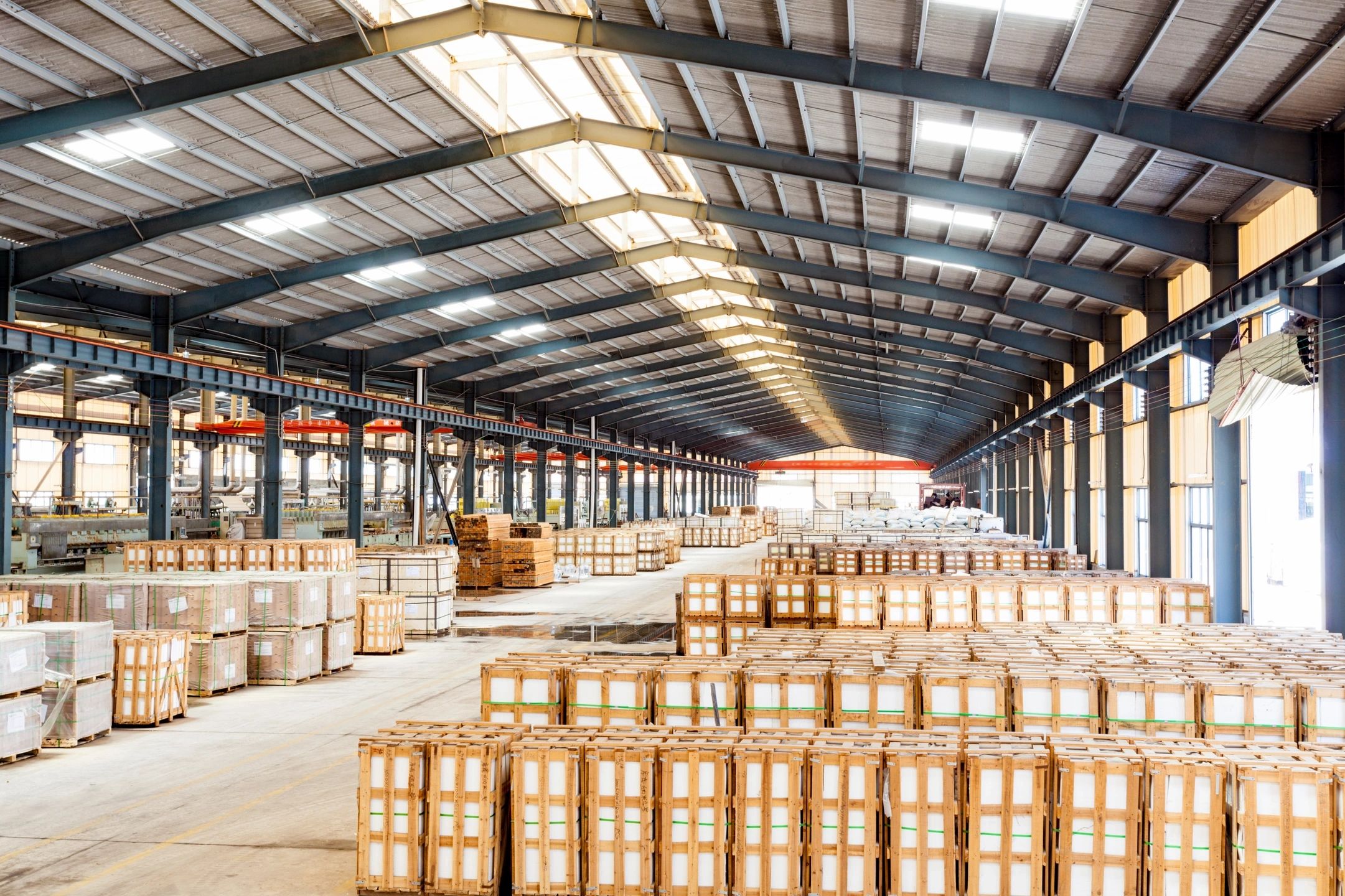
Warehouses & Distribution Centers
Preventive and emergency maintenance built around your operational tempo, shift schedules, and uptime demands.

Commercial & Retail Properties
Full-facility care for retail and mixed-use properties — keeping tenant spaces consistently clean, safe, and fully compliant.

Community & Municipal Facilities
Budget-conscious maintenance programs designed around the unique compliance and safety needs of public spaces.
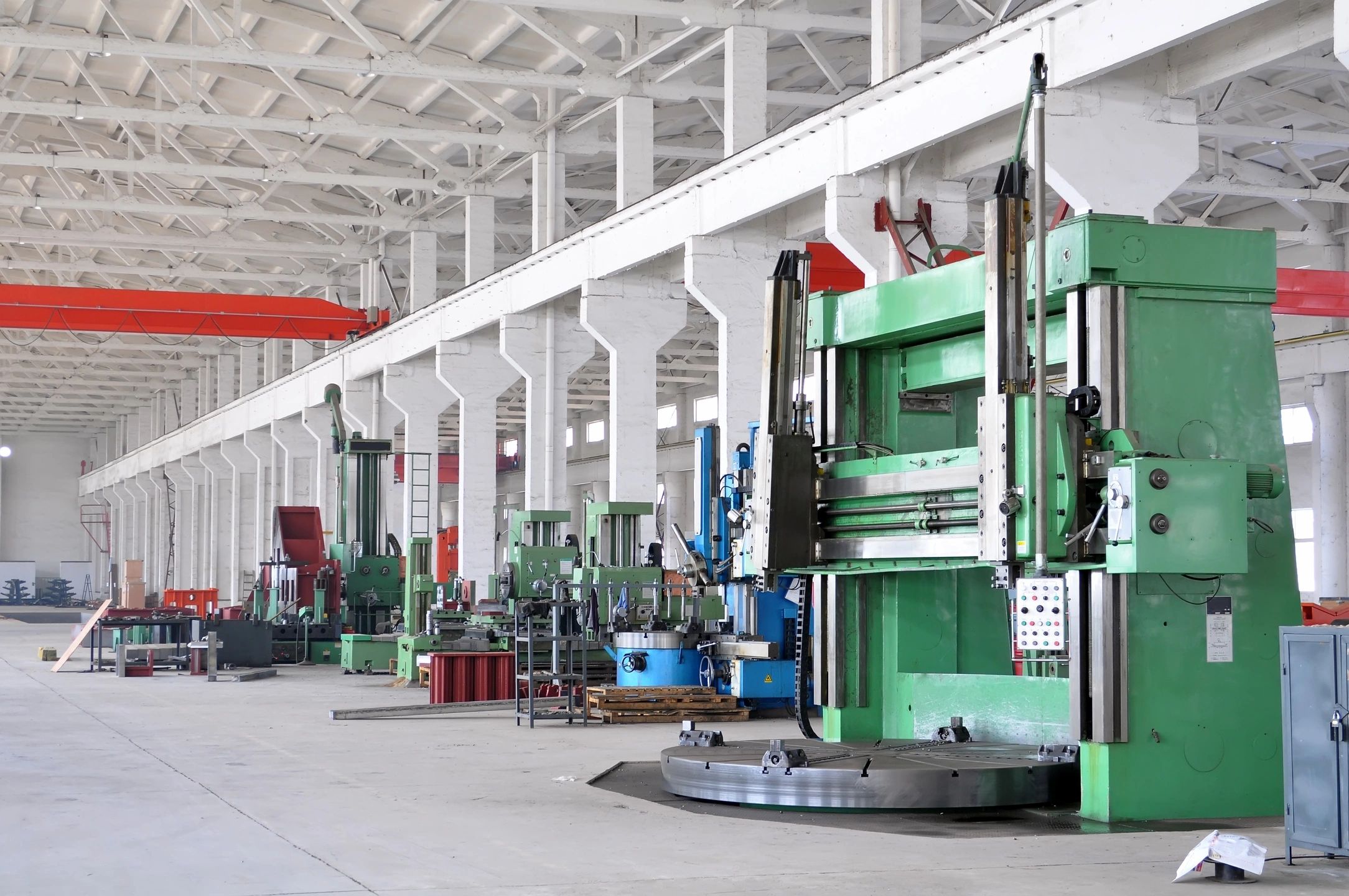
Manufacturing & Industrial Plants
Heavy-duty preventive maintenance for complex industrial systems — minimizing downtime and protecting production.

Multi-Site
Portfolios
One partner, one contract, one invoice — unified facility maintenance across every location in your entire portfolio.
- What We Find
Common Waste Management Gaps JAM Identifies and Closes in Commercial Facilities
Most waste management problems in commercial facilities aren’t intentional — they develop from programs that were never properly structured, regulations that weren’t known, or volumes that outgrew the original setup. These are the conditions JAM finds and corrects through structured waste audits and managed programs.
Regulated Waste Disposed as General Waste
Fluorescent lamps, batteries, and electronics disposed in general waste dumpsters are EPA violations — fines apply per unit regardless of intent or awareness.
Cardboard Accumulation at Docks
Piled cardboard at receiving docks and staging areas is a NFPA housekeeping violation and a direct fire hazard — one of the most common findings in distribution facility inspections.
Overflowing Waste Containers
Containers allowed to overflow create pest attraction, odor, sanitation violations, and unsafe conditions — typically a sign that collection frequency is mismatched to generation volume.
No Recycling Program in Place
No Recycling Program in Place Facilities without a recycling program are paying to dispose of cardboard, metal, and other materials that could be diverted at zero or negative cost — a direct and ongoing financial waste.
Unmaintained Compactors & Balers
Compactors and balers with failed seals, hydraulic issues, or mechanical wear reduce compaction efficiency — increasing hauling frequency and costs until they fail completely.
Dirty Dumpster Enclosures
Unclean dumpster areas with food residue and standing leachate attract pests, generate odor, and create sanitation violations — particularly in food-adjacent facility environments.
No Waste Disposal Documentation
Without manifests and disposal certificates for regulated waste, facilities cannot demonstrate compliance during EPA inspections or client audits — leaving them exposed regardless of actual disposal practices.
Mixed Waste Streams
Recyclables and regulated waste mixed into general waste containers invalidates recycling programs, creates compliance exposure, and results in facilities paying maximum disposal rates for material that should be free to dispose of.
- Standards & Frameworks We Reference
Codes & Compliance We Keep You Aligned With
Every JAM waste management program is structured to satisfy these regulatory requirements — with documentation available for any inspection or audit.
NFPA Housekeeping Fire Standards
NFPA standards prohibit the accumulation of combustible materials — including cardboard — in quantities that present a fire hazard. Dock area cardboard management is a direct fire code compliance requirement.

Ohio Solid Waste Rules
Ohio EPA solid waste regulations governing disposal facilities, recycling programs, and industrial waste streams — including requirements for waste manifests and disposal records for certain waste categories.
OSHA 29 CFR 1910.141 — Sanitation
Federal workplace sanitation standard requiring adequate waste containers, regular waste removal, and clean waste areas — violations cited when containers overflow or waste areas are unsanitary.
EPA 40 CFR Part 273 — Universal Waste
Federal universal waste regulations governing the management and disposal of fluorescent lamps, batteries, electronics, and other regulated items — requires proper labeling, storage, and disposal with certified haulers.
Do You Know Where Your Fluorescent Lamps Are Going?
JAM’s waste stream audit identifies every compliance gap in your current program, quantifies recycling diversion opportunities, and delivers a structured program proposal covering all waste streams — at no charge, no commitment required.
Seen Enough to Know We're the Right Fit?
Request a free facility assessment — no obligation, no pressure, just a real conversation about your needs.
- Waste Management FAQ
Common Questions About Our Waste Program
Answers to the questions facility managers ask most before starting a commercial waste management program with JAM.
JAM manages all major commercial waste streams: general solid waste, recyclables (cardboard, paper, plastics, metals, glass), regulated and universal waste (fluorescent lamps, batteries, electronics), and special waste streams generated by industrial operations. Programs are customized to each facility's waste generation profile and regulatory environment.
Yes. JAM coordinates proper handling, packaging, labeling, and disposal of regulated waste streams including universal waste (fluorescent lamps, batteries, electronic waste), and works with licensed haulers for hazardous materials requiring permitted disposal. All regulated waste disposal is documented with waste manifests and disposal certificates for EPA and Ohio EPA compliance records.
Yes. JAM designs and manages commercial recycling programs covering cardboard, paper, plastics, metals, and glass — including container placement, collection scheduling, and hauler coordination. Programs can be structured as single-stream for simplicity or separated streams for maximum diversion value depending on your waste profile and hauler options
A waste stream audit assesses what your facility is generating, how it is being disposed of, and what opportunities exist to reduce disposal costs through recycling diversion, container rightsizing, or program restructuring. Many facilities are paying to dispose of cardboard, metals, and other materials that have recycling value. JAM's audit identifies these opportunities and quantifies the savings.
Distribution centers generate large volumes of corrugated cardboard from inbound shipments. JAM manages cardboard through scheduled breakdown and consolidation programs, baler operation and maintenance for facilities with baling equipment, and coordination with recycling haulers. Preventing cardboard accumulation at receiving docks is a NFPA fire safety requirement and a core dock housekeeping compliance item.
Yes. JAM maintains waste manifests, recycling diversion records, regulated waste disposal certificates, and other documentation required by EPA, Ohio EPA, and client audit programs. Complete waste documentation is stored digitally and accessible on demand for any regulatory inspection or client audit.
Yes. JAM manages waste programs for multi-site clients including Coca-Cola, FedEx Express, and DHL Express across multiple Central Ohio locations. Multi-site clients receive standardized waste program structures, consolidated diversion reporting, and single-invoice billing for all waste management services.
Yes. JAM provides scheduled preventive maintenance of waste compactors and cardboard balers — cleaning, lubrication, inspection of seals and hydraulic systems, and coordination of service for mechanical issues. Well-maintained compactors reduce hauling frequency and costs; balers maximize cardboard recycling value. Compactor and baler PM is integrated into the broader waste management program.