- Full Program Scope
What's Included in Every Vendor Program
JAM builds each vendor management program around your specific vendor portfolio — but every program covers scheduling, on-site verification, compliance, documentation, and consolidated reporting across all managed providers.
- Why It Matters
The Real Benefits of a JAM Vendor Management Program
Managing vendors is invisible when it works and painful when it doesn’t. Here’s what happens when someone is actually accountable for every provider at your facility.
Facility Manager Time Freed
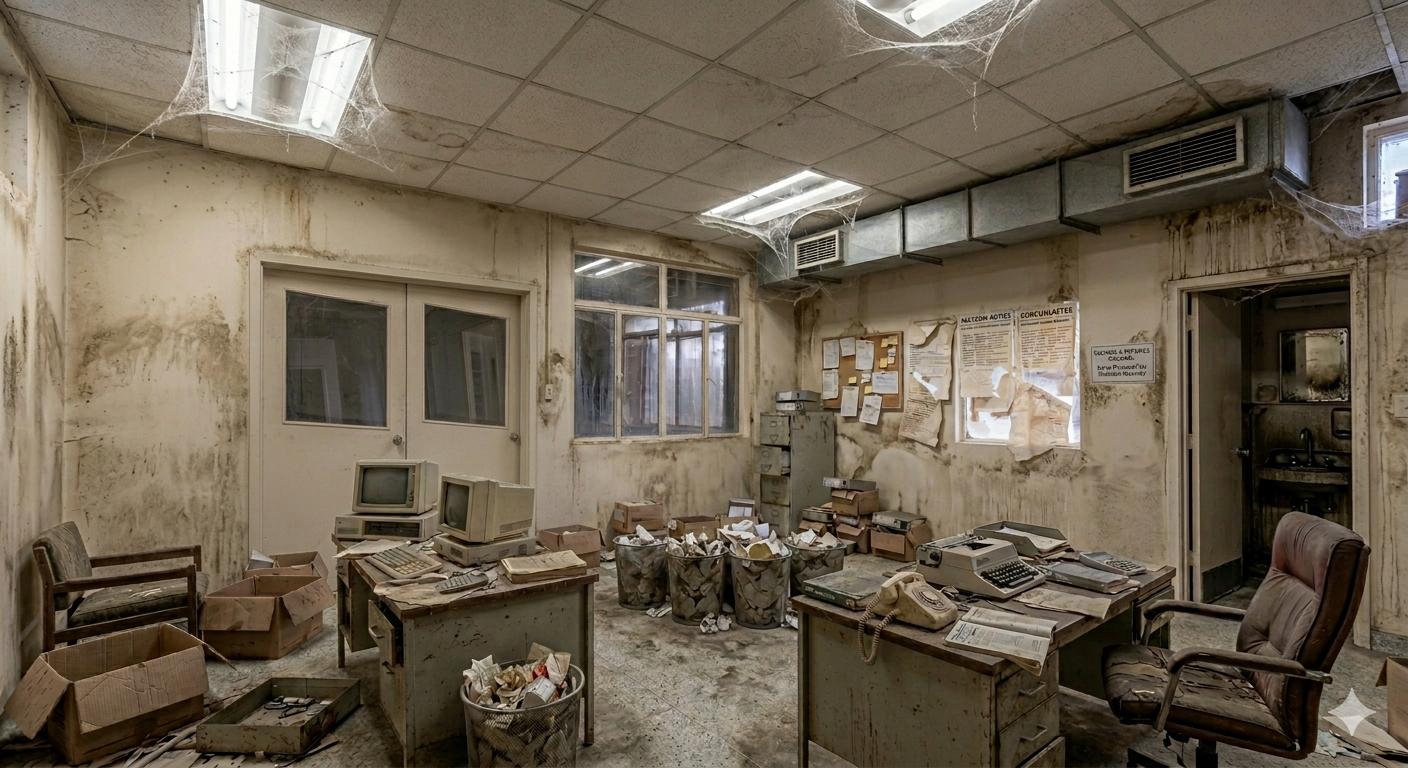
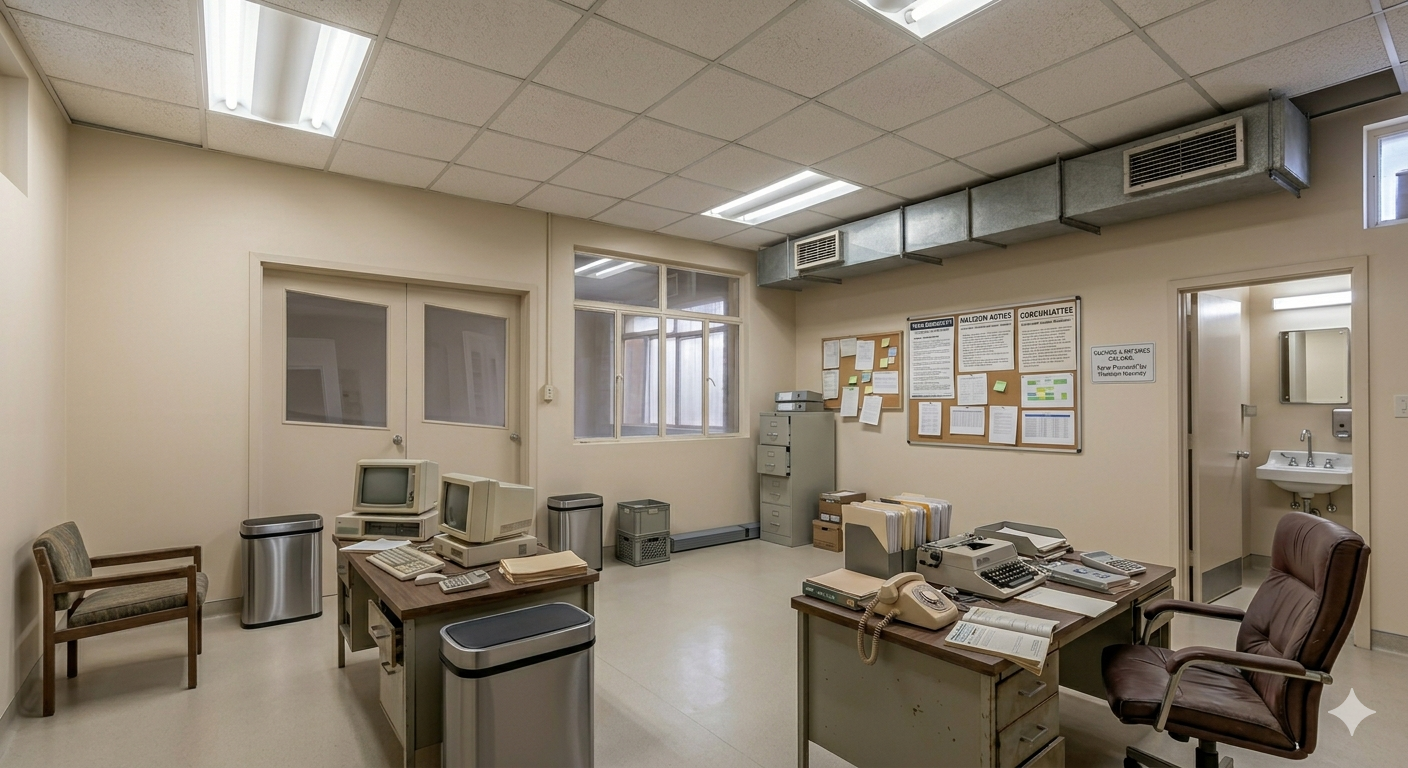
The average facility manager with an unmanaged vendor portfolio spends significant time each week chasing confirmations, following up on missed visits, tracking down certificates of insurance, reviewing work that may or may not have been completed, and disputing invoices for work that wasn't done. JAM takes every one of those tasks and owns them — returning that time to the facility manager for work that requires their judgment, not their patience.
Vendor chase-up removed from your responsibilities
Work Actually Gets Done
Vendors behave differently when they know someone is on site to verify their work. When no one checks, scope items get skipped, work is rushed, and deficiencies go unaddressed until the next scheduled visit — or the next client audit. JAM's on-site quality verification creates accountability for work completion at the visit level, not the invoice level. Contractors who know JAM will be there tend to show up, complete scope, and perform to standard.
On-site verification drives contractor accountability
Liability Protection
An uninsured or unlicensed contractor who causes property damage or personal injury at your facility creates a liability exposure for the facility owner — regardless of whether you knew the vendor's coverage had lapsed. JAM's compliance verification ensures no vendor steps on site without current general liability, workers' compensation, and applicable licensing. The compliance file is maintained continuously, not checked once at onboarding and forgotten.
Insurance verified before every vendor visit
Invoice Accuracy & Cost Control
Vendor invoices that arrive without a documented work verification record get paid — whether the work was done or not, whether scope was exceeded without authorization or not. JAM's invoice review process compares every invoice against the documented scope of work completed before it reaches accounts payable. Overbilling is caught at review, not after payment when recovering it becomes a dispute requiring legal process.
Pre-payment verification prevents overbilling
Visibility Across All Vendors
Most facility managers have no consolidated view of vendor performance — they know roughly what's been contracted, but not which vendors are consistently completing scope, which have recurring quality issues, which are overdue for a visit, or how total vendor spend is trending. JAM's performance reporting delivers exactly this: one consolidated picture of every managed vendor, updated on a defined reporting cycle, so decisions about renewals, replacements, and escalations are based on data rather than impressions.
One report covering every vendor, every period
Client & Audit Readiness
Enterprise clients conduct facility audits that include vendor management — verifying that all service providers are properly licensed and insured, that maintenance contracts are being executed, and that work completion is documented. A facility without vendor documentation cannot demonstrate that contracted services were actually performed. JAM's program ensures every vendor visit is documented, every compliance file is current, and every performance period has a report on record — before the auditor asks.
Vendor documentation audit-ready at all times
- The JAM Process
From Vendor Inventory to Fully Managed Program
JAM manages the complete vendor engagement — portfolio assessment, compliance verification, ongoing oversight, and consolidated reporting — so you stop managing vendors and start receiving results.
Vendor Assessment
JAM reviews your current vendor portfolio — every provider, every contract, current compliance status, and documentation state. Gaps identified: vendors with lapsed insurance, undocumented visits, missed scheduled services, and invoices without verified completion. Full picture delivered before any commitment.
Compliance Baseline Set
Insurance certificates, licenses, and required certifications collected and verified for every vendor in scope. Compliance files created and tracked. Any vendor not meeting requirements notified — work suspended until compliant. New vendors qualified before their first visit. No shortcuts.
Ongoing Oversight Runs
Every vendor visit is scheduled, confirmed, and verified. JAM representative on-site during or after each visit. Work completion documented with photographs and written records. Deficiencies escalated same day. Invoices reviewed against verified scope before reaching accounts payable. Nothing slips.
Consolidated Report
On the defined reporting cycle — monthly or quarterly — JAM delivers a consolidated vendor performance report covering all managed providers. Visit completion rates, quality findings, compliance status, cost trends, and recommendations for vendor changes or contract adjustments. One report, every vendor.
- Proven Results
Vendor Programs We've Built for Real Clients
Documented outcomes from JAM vendor and contractor management programs at active client sites across Central Ohio.
Full Vendor Portfolio Management & Compliance Program Launch
The plant managed a portfolio of over a dozen third-party service providers with no centralized oversight program — vendors scheduled visits independently, no one verified work completion on site, and insurance certificates had not been checked systematically in over a year. JAM conducted a full vendor audit, found three providers with lapsed coverage, suspended them until compliant, and established a structured management program covering all vendors with on-site verification, documentation, and quarterly performance reporting.
- Three vendors with lapsed insurance identified and suspended until compliant on day of assessment.
- Full compliance files established for all vendors — certificates tracked and updated at renewal.
- On-site verification implemented for every vendor visit — work completion documented with photographs.
- Quarterly vendor performance reports delivered to facilities manager covering all providers.
Vendor Invoice Audit & Ongoing Work Verification Program
The hub had been paying vendor invoices without a formal work verification process in place. When JAM conducted a retrospective invoice audit against available service records, it identified significant billing discrepancies across two vendors — charges for visits that had never been confirmed, and scope overruns that had never been authorized. JAM established an ongoing verification program and invoice review process going forward, and worked with FedEx to pursue credit for the substantiated discrepancies.
- Billing discrepancies identified across two vendors in retrospective invoice audit.
- Invoice review process established — all invoices reviewed against verified work before payment.
- On-site verification program launched — every vendor visit confirmed and documented.
- Zero unauthorized scope overruns have reached accounts payable since program launch.
Vendor Program Build & Client Audit Readiness
The facility had a client audit approaching that included vendor management assessment — requiring documentation of all third-party service providers, their compliance status, and evidence of contracted service execution. No such documentation existed. JAM was engaged to build the program from zero: vendor inventory completed, compliance files established for all providers, and retroactive documentation assembled from available records. The audit was conducted six weeks after JAM engagement; the vendor management section passed without findings.
- Full vendor inventory completed — all third-party providers documented within week one.
- Compliance files established for all vendors — insurance and licensing verified for audit.
- Client audit passed — vendor management section cleared without a single finding.
- Ongoing program operational — all vendors now scheduled, verified, and documented going forward.
- Who We Serve
Vendor & Contractor Programs Built for These Facility Types

Commercial Office Buildings
Tailored maintenance programs keeping corporate spaces compliant, comfortable, and running without interruption.

Warehouses & Distribution Centers
Preventive and emergency maintenance built around your operational tempo, shift schedules, and uptime demands.

Commercial & Retail Properties
Full-facility care for retail and mixed-use properties — keeping tenant spaces consistently clean, safe, and fully compliant.

Community & Municipal Facilities
Budget-conscious maintenance programs designed around the unique compliance and safety needs of public spaces.
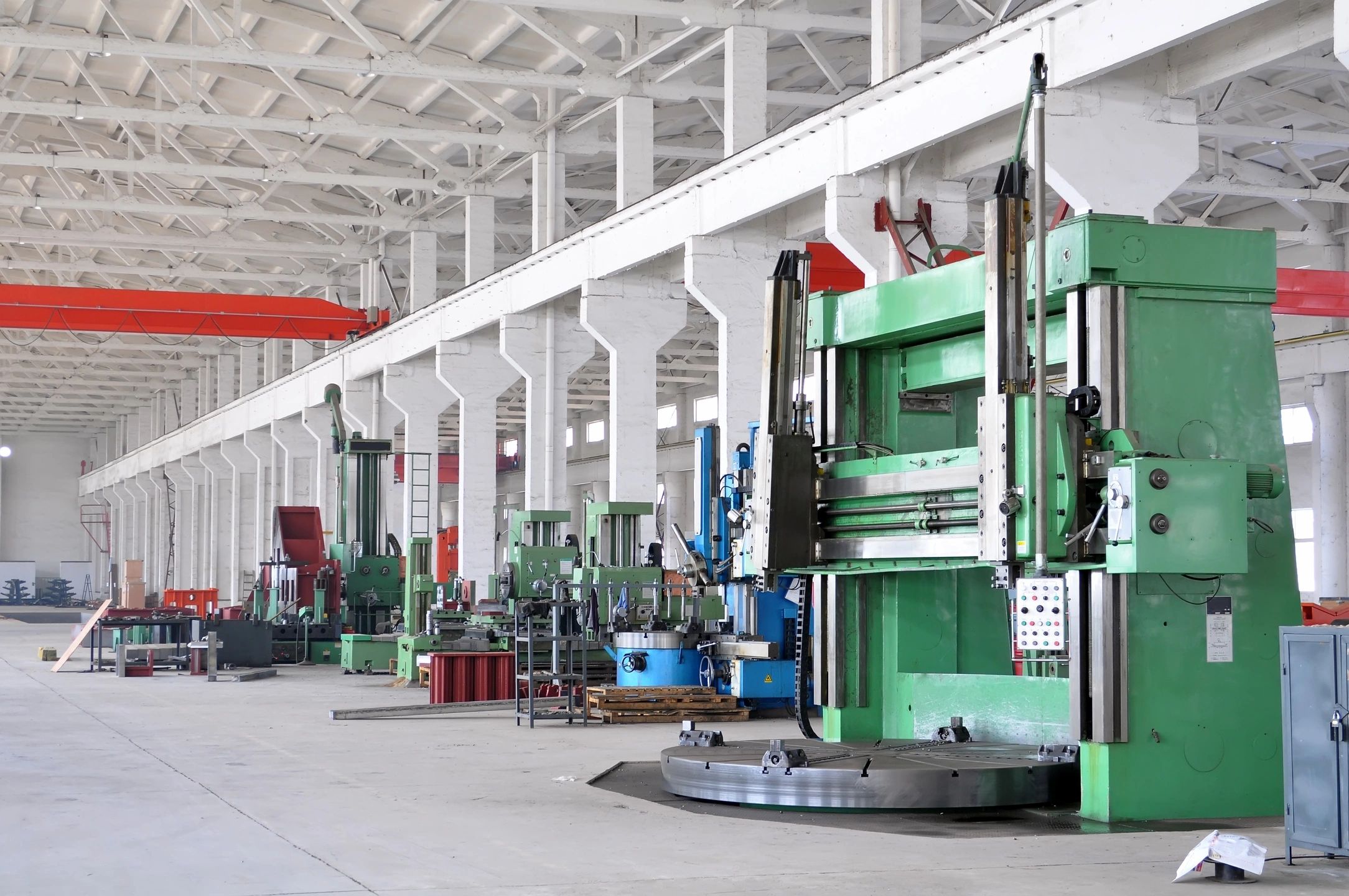
Manufacturing & Industrial Plants
Heavy-duty preventive maintenance for complex industrial systems — minimizing downtime and protecting production.

Multi-Site
Portfolios
One partner, one contract, one invoice — unified facility maintenance across every location in your entire portfolio.
- What Gets Missed
Common Vendor Management Gaps JAM Finds in Commercial Facilities
Most facility vendor management problems aren’t the result of bad vendors — they result from no one being accountable for oversight. Without a structured program, the same gaps appear at nearly every facility JAM assesses. These are the conditions JAM’s program closes from day one.
Uninsured Vendors on Site
Contractors with lapsed insurance coverage already performing work — liability exposure that the facility didn't know existed until something went wrong.
Contracted Services Never Performed
Vendors invoicing for scheduled visits that were never made — or visits where only partial scope was completed — with no documentation to verify what actually happened on any given date.
Invoices Paid for Work Not Done
Accounts payable processing vendor invoices with no work verification record — paying for services that weren't delivered because no one compared the invoice to what was actually completed.
No Consolidated View of Vendor Portfolio
Facility managers with a mental map of their vendors but no system — no tracking of who's contracted, when they last visited, what they found, or whether they're performing to standard.
Missed Scheduled Services
Vendors who simply don't show for scheduled visits — pest control that skips a month, HVAC filter changes that never happen — discovered only when something fails or an audit finds the gap.
No Documentation for Audits
Client or regulatory audits requesting evidence of contracted service completion — and no records available because visits were never verified and documented as they occurred.
Unauthorized Scope Overruns
Vendors performing work beyond the agreed scope and billing for it — additional charges that appear on invoices without prior authorization, approved by accounts payable because no one reviewed the scope.
Underqualified New Vendors
New vendors added to the approved list without verification of insurance, licensing, references, or safety record — discovered when something goes wrong, not before they arrive on site for the first time.
- Standards & Frameworks We Reference
Codes & Compliance We Keep You Aligned With
JAM’s vendor management programs are structured to satisfy these regulatory and contractual requirements — with documentation available on demand for any inspection, audit, or dispute.
Enterprise Vendor Audit Standards
Enterprise clients including Coca-Cola, FedEx, and DHL require documented vendor management programs — including compliance verification, service completion records, and performance reporting — as part of facility audits.

Certificate of Insurance Requirements
Standard commercial facility agreements require all vendors to maintain specified minimum insurance coverage — general liability, workers' compensation, and auto liability — with the facility named as additional insured. JAM verifies and tracks all COI requirements for every vendor.

Ohio Contractor Licensing Requirements
Ohio requires licensing for HVAC, electrical, plumbing, and other specialty trade contractors — facilities that permit unlicensed contractors to perform licensed-trade work may share liability for resulting damages.
OSHA 29 CFR 1910 — Contractor Safety
OSHA requires facility owners to ensure that contractors working on their premises are informed of known hazards and comply with applicable safety standards — vendor compliance verification is a direct OSHA responsibility of the host employer.
Stop Chasing Contractors. Start Receiving Reports.
JAM’s vendor assessment reviews your current portfolio — every provider, every compliance file, every visit record — and identifies exactly where the gaps are. You’ll know within 24 hours whether you have uninsured vendors on site, invoices that were paid for work that wasn’t done, or services that haven’t been performed in months.
Seen Enough to Know We're the Right Fit?
Request a free facility assessment — no obligation, no pressure, just a real conversation about your needs.
- Vendor Management FAQ
Common Questions About Our Vendor Program
Answers to the questions facilities managers and operations leaders ask most before starting a vendor management program with JAM.
JAM's program covers: third-party vendor scheduling and coordination, on-site quality verification, compliance and insurance verification, work completion documentation, invoice review and approval support, consolidated vendor performance reporting, vendor qualification and onboarding, and escalation and issue resolution when vendor performance falls short of contractual standards.
JAM manages all facility-related third-party providers including HVAC contractors, pest control, landscaping, elevator inspection and service, fire suppression and sprinkler service, security system maintenance, window cleaning, specialty cleaning, waste haulers, and any other vendor performing work at the facility. The program covers all vendors, not a curated subset.
JAM verifies contractor work through on-site presence during or immediately following contractor visits — physically confirming all scope items were addressed, quality standards were met, and documenting pre- and post-work conditions with photographs and written records. Deficiencies are communicated to the contractor before they leave, creating a formal record before the invoice arrives.
Yes. JAM maintains a current compliance file for every vendor — verifying general liability certificates, workers' compensation coverage, required trade licenses, and facility-specific safety certifications before vendors are permitted on site. Insurance certificates are tracked for expiration; vendors are notified and suspended from the approved list when coverage lapses.
Yes. JAM reviews contractor invoices against the documented scope of work completed — identifying billing for work not performed, scope overruns without prior authorization, and charges inconsistent with the contract. Findings are communicated before invoices reach accounts payable, protecting the facility from paying for work that wasn't done or wasn't authorized.
JAM delivers consolidated vendor performance reports on a defined cycle — covering visit completion rates, quality verification findings, recurring deficiencies by vendor, compliance status, and cost trends across the managed portfolio. Reports give facility managers and ownership teams a complete picture of vendor performance without tracking individual vendors themselves.
Yes. JAM manages vendor programs for multi-site clients including Coca-Cola, FedEx Express, and DHL Express across multiple Central Ohio locations. Multi-site programs benefit from standardized vendor qualification requirements across locations, consolidated performance reporting for all sites, and negotiating leverage from aggregated vendor spend across the portfolio.
Vendor management is the coordinating layer above all facility services — both those JAM performs directly and those by third-party specialists. Clients who engage JAM for both direct maintenance services and vendor management of remaining contractors effectively have a single accountable partner for their entire facility program — one report, one point of contact, one performance standard applied across all providers.