- Full Program Scope
What's Included in EveryAsset & Inventory Program
JAM builds each program around your facility’s specific asset base and supply profile — but every program covers tracking, par management, usage monitoring, procurement coordination, and regular reporting across everything your facility owns and uses.
- Why It Matters
The Real Benefits of a JAM Asset & Inventory Program
Inventory problems are invisible until a critical supply runs out at the worst possible time. Here’s what a structured tracking and management program actually delivers.
Zero Supply Stockouts
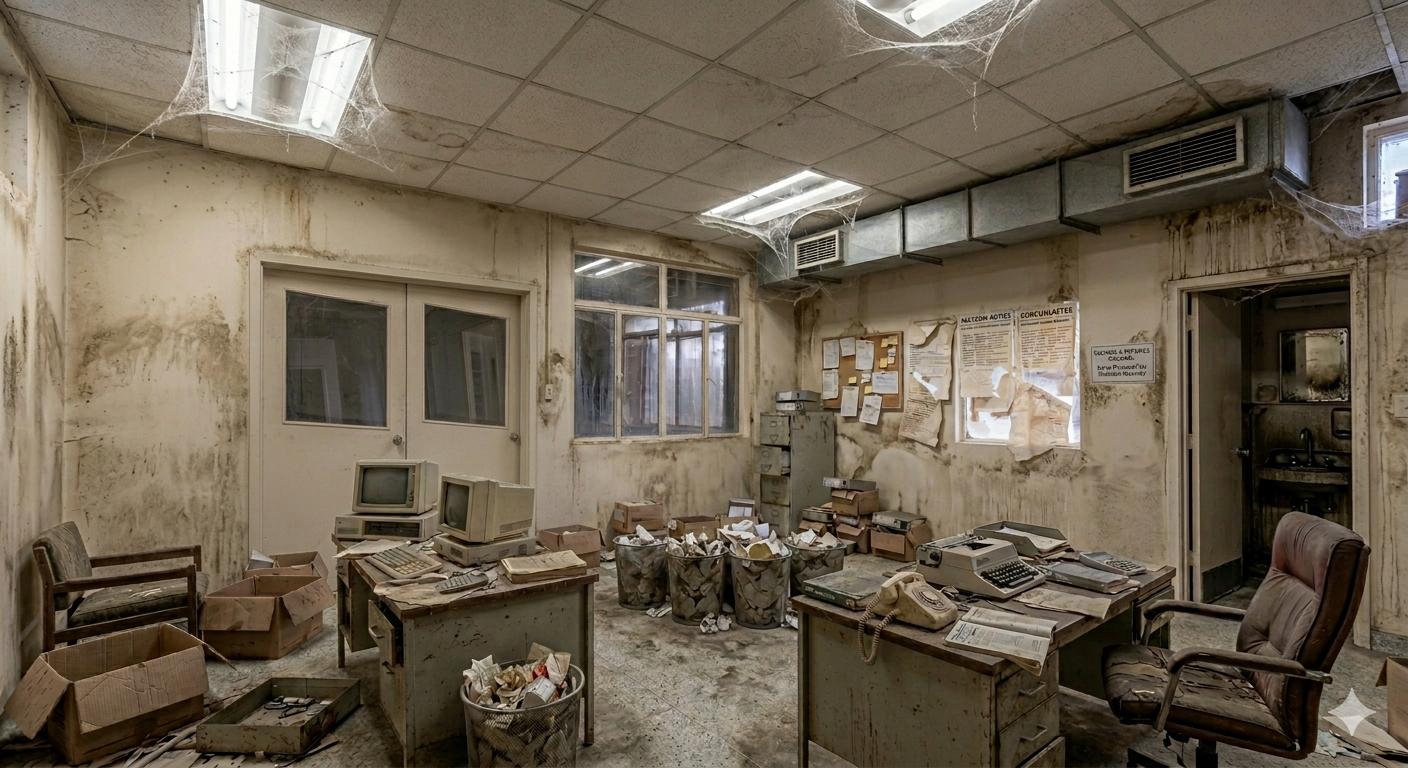
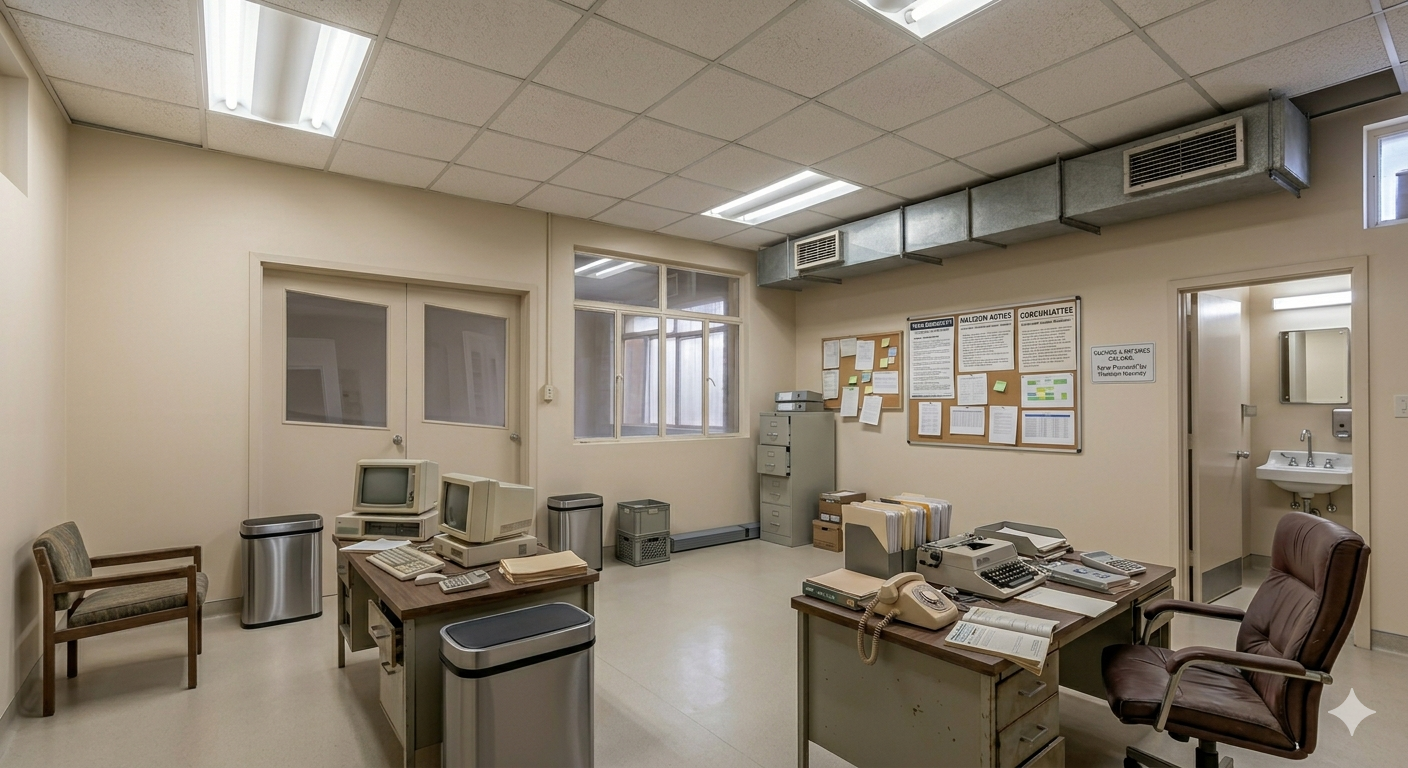
A critical supply running out during operations — no replacement filters when HVAC PM is due, no cleaning chemicals when a spill occurs, no light bulbs when a fixture fails — creates delays, workarounds, and operational disruption that should never happen with a managed inventory program. JAM's par level system ensures reorder is triggered before stock is exhausted, not after the shortage creates a problem.
Zero supply stockouts for managed inventory clients
Facility Manager Time Freed
Without a managed inventory program, someone at the facility is spending time every week checking what's on hand, figuring out what needs to be ordered, submitting purchase requests, chasing deliveries, and dealing with the consequences of shortages that weren't caught in time. JAM's program takes every step of this loop and runs it automatically — returning that time to the facility manager for work that actually requires their judgment.
Procurement managed automatically at par
Lower Supply Costs
Facilities without inventory management buy supplies reactively — often at emergency pricing, in small quantities, from whatever supplier can deliver fastest. Managed procurement at par-triggered intervals allows purchasing in planned quantities from preferred suppliers at negotiated pricing, eliminating the premium cost of emergency purchasing and reducing per-unit cost through volume consistency.
Planned procurement eliminates emergency pricing
Client & Audit Readiness
Enterprise clients and regulatory inspectors assess facility asset management as part of facility audits — verifying that maintenance supplies are properly stocked, that asset inventories are documented and current, and that the facility can demonstrate controlled management of its resources. A facility without an asset register and inventory documentation cannot demonstrate compliance. JAM's program keeps all records current and available on demand.
Audit-ready maintenance records
Capital Planning Support
An asset that fails unexpectedly forces emergency replacement at premium cost with no time for competitive procurement. An asset whose condition and age are tracked against its projected useful life can be planned for replacement on a budget cycle — procured at standard pricing, scheduled during a planned downtime window, and coordinated without operational disruption. JAM's lifecycle tracking converts emergency capital decisions into planned ones.
Lifecycle data converts emergencies to planned replacements
Integrated with Maintenance Programs
Asset tracking is most powerful when integrated with JAM's maintenance programs — maintenance technicians draw from tracked inventory when performing PM visits, usage is recorded against the specific asset being serviced, and asset condition observations during PM update the asset register. The result is a single connected system rather than separate inventory and maintenance silos that never share information with each other.
Inventory and maintenance data connected in one program
- The JAM Process
From Asset Baseline to Fully Managed Inventory
JAM manages the complete asset and inventory engagement — initial audit, par level setup, ongoing tracking, and regular reporting — so you stop managing supplies and start receiving results.
Asset & Inventory Audit
JAM walks your facility and conducts a complete baseline audit — inventorying all physical assets with condition ratings, counting all on-hand supplies, reviewing current purchasing history, and identifying critical items with no stock or undefined reorder processes. Everything documented before the program begins.
Par Levels & Program Set
Par levels established for every tracked supply based on consumption rates and lead times. Preferred vendors identified for each supply category. Asset register created with condition ratings and lifecycle estimates. All parameters documented in writing before ongoing tracking begins.
Ongoing Tracking Runs
Every supply withdrawal is recorded. Every delivery is logged. Stock levels updated in real time. Par triggers generate procurement requests automatically. Asset conditions updated at each maintenance visit. Physical audits reconcile records against on-hand stock on a defined cycle. Nothing falls through the cracks.
Reports Delivered
On the defined reporting cycle, JAM delivers an asset and inventory report — current stock levels, consumption trends, asset condition summaries, upcoming procurement needs, and cost analysis. Ownership and facility managers see the full picture without managing a single supply themselves.
- Proven Results
Asset & Inventory Programs We've Built for Real Clients
Documented outcomes from JAM asset tracking and inventory control programs at active client sites across Central Ohio.
Production Facility Asset Register & Maintenance Supplies Program
The plant plant had no structured inventory system — maintenance supplies were ordered reactively when someone noticed a shortage, asset documentation was incomplete, and there was no visibility into which supplies were running low until they ran out. JAM conducted a full asset audit, created a comprehensive asset register with condition ratings for all equipment, and established a par-level inventory program covering all maintenance supplies and consumables. Emergency purchases dropped to zero within 60 days of program launch.
- Comprehensive asset register created — all equipment documented with condition ratings.
- Par levels established for all maintenance supplies — reorder automated at par triggers.
- Emergency purchases eliminated within 60 days — all procurement now planned at preferred pricing.
- Monthly inventory reports delivered — facilities manager no longer managing individual supply purchases.
Hub Asset Lifecycle Program & Maintenance Supply Inventory
The hub needed better visibility into the condition and remaining useful life of its hub equipment — dock levelers, conveyor components, and material handling assets — to support capital budget planning. JAM built an asset lifecycle tracking program that documented all major assets with condition ratings and maintenance history, and integrated inventory tracking for all hub maintenance supplies. Capital planning for the following year was completed using JAM lifecycle data for the first time.
- Asset lifecycle program built — all major hub assets tracked with condition and maintenance history.
- Capital budget informed by lifecycle data for the first time — planned replacements identified 12 months out.
- Hub maintenance supply inventory established — par levels set for all consumables.
- Quarterly asset condition reports delivered to operations leadership for ongoing capital planning.
Full Asset & Inventory Program Build for Client Audit
The facility had an upcoming client audit that included asset documentation and inventory management assessment — and had neither an asset register nor an inventory system in place. JAM was engaged to build both from zero: a complete asset inventory was conducted within the first week, par levels were established for all tracked supplies, and a written inventory management program was produced as documentation. The audit was completed three weeks after JAM engagement; the asset and inventory section cleared without any findings.
- Complete asset inventory conducted in week one — asset register delivered before audit.
- Par levels established for all tracked supplies — written inventory program produced.
- Client audit passed — asset and inventory section cleared with zero findings.
- Ongoing program operational — all assets and supplies now tracked and managed going forward.
- Who We Serve
Asset & Inventory Programs Built for These Facility Types

Commercial Office Buildings
Tailored maintenance programs keeping corporate spaces compliant, comfortable, and running without interruption.
Warehouses & Distribution Centers
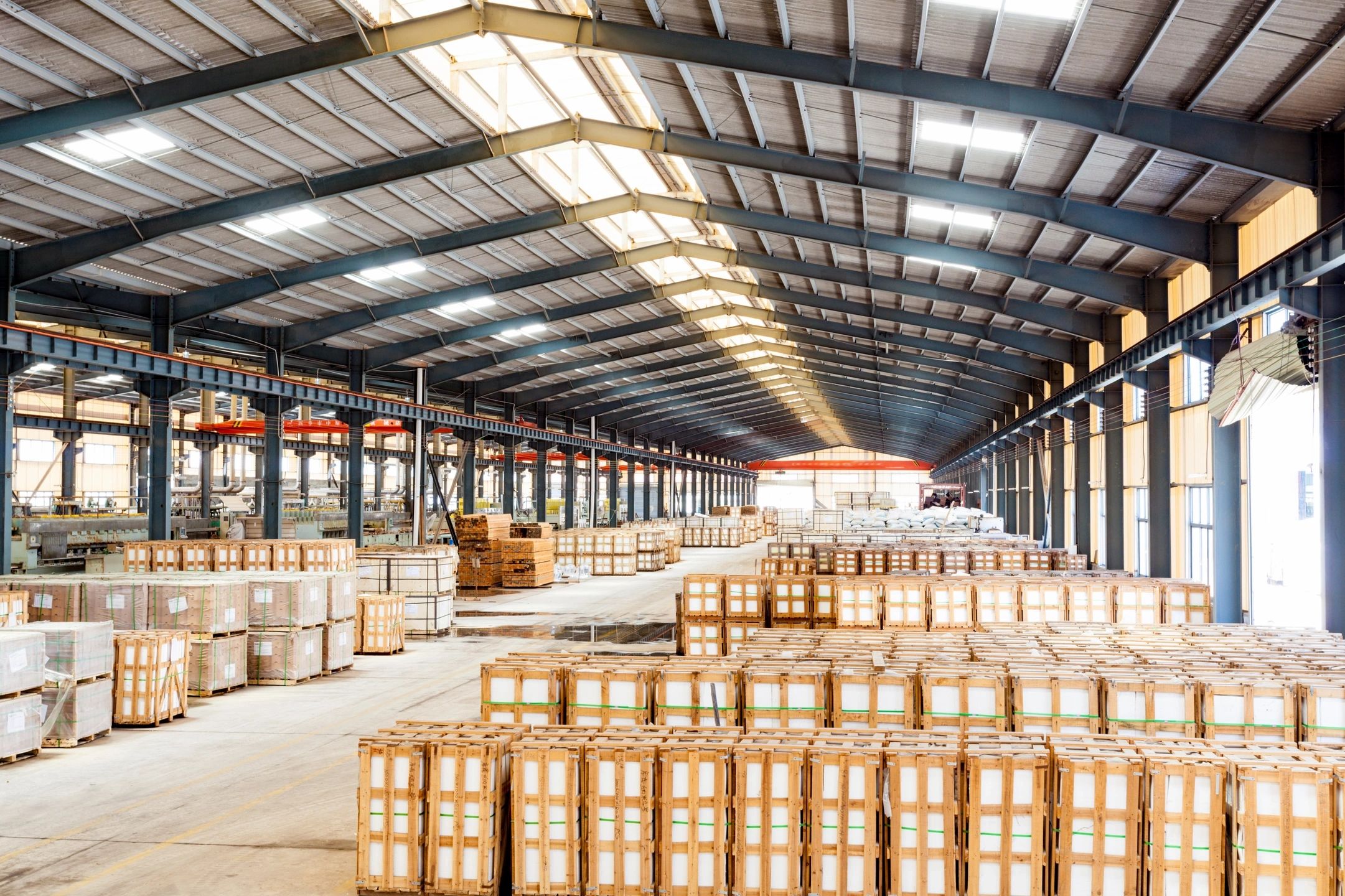
Preventive and emergency maintenance built around your operational tempo, shift schedules, and uptime demands.

Commercial & Retail Properties
Full-facility care for retail and mixed-use properties — keeping tenant spaces consistently clean, safe, and fully compliant.

Community & Municipal Facilities
Budget-conscious maintenance programs designed around the unique compliance and safety needs of public spaces.
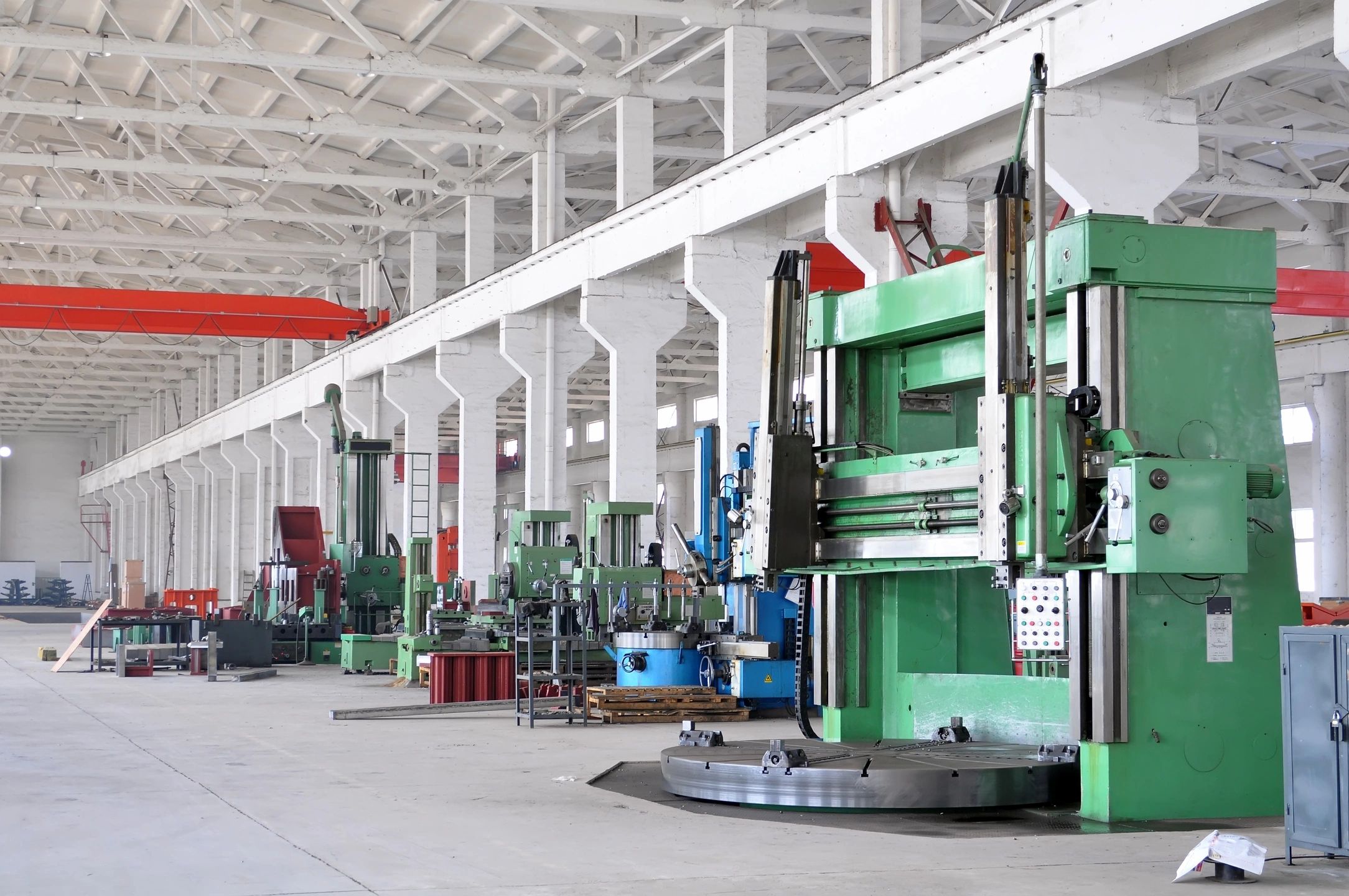
Manufacturing & Industrial Plants
Heavy-duty preventive maintenance for complex industrial systems — minimizing downtime and protecting production.

Multi-Site
Portfolios
One partner, one contract, one invoice — unified facility maintenance across every location in your entire portfolio.
- What Gets Missed
Common Asset & Inventory Problems JAM Finds in Commercial Facilities
Most inventory problems in commercial facilities aren’t caused by poor purchasing — they result from no structured system for tracking what’s on hand, no defined reorder point, and no one accountable for the gap between when a supply runs low and when it gets replenished. These are the conditions JAM’s program closes from day one.
Critical Supplies Running Out Mid-Operation
No filters on hand when HVAC PM is scheduled, no cleaning chemicals when a spill occurs — shortages that create operational delays because no par level existed to trigger reorder in advance.
Emergency Purchasing at Premium Prices
Supplies ordered in a rush from whatever source can deliver fastest — paying significantly more per unit than planned procurement from preferred vendors at negotiated rates.
No Asset Register on File
Facilities that cannot produce a current list of equipment, assets, and their condition — an immediate audit finding and a gap that makes capital planning and insurance documentation unreliable.
Equipment Failing Without Warning
Assets reaching end of useful life without any lifecycle tracking in place — leading to unexpected failures, emergency replacement procurement, and unplanned capital expenditures with no budget provision.
Phantom Stock in the System
Inventory records showing supplies are available when the physical stock location is empty — discrepancies from unrecorded withdrawals that cause the same stockout problem even when the system says there's plenty.
Overstocking Consuming Storage Space
Supplies ordered in excess quantities and stored beyond reasonable consumption timelines — tying up budget, consuming storage space, and creating waste when shelf life expires before use.
No Consumption Data for Planning
Purchasing decisions made on intuition rather than actual usage data — resulting in the wrong quantities of the wrong supplies ordered at the wrong intervals for the facility's actual consumption patterns.
Supply Management Consuming Staff Time
Facility managers or maintenance staff spending hours each week manually checking stock, generating purchase orders, and chasing deliveries — time that belongs to a managed program, not to their job descriptions.
- Standards & Frameworks We Reference
Codes & Compliance We Keep You Aligned With
JAM’s asset tracking and inventory programs are structured to satisfy these regulatory and industry requirements — with documentation available on demand for any inspection, audit, or capital planning review.
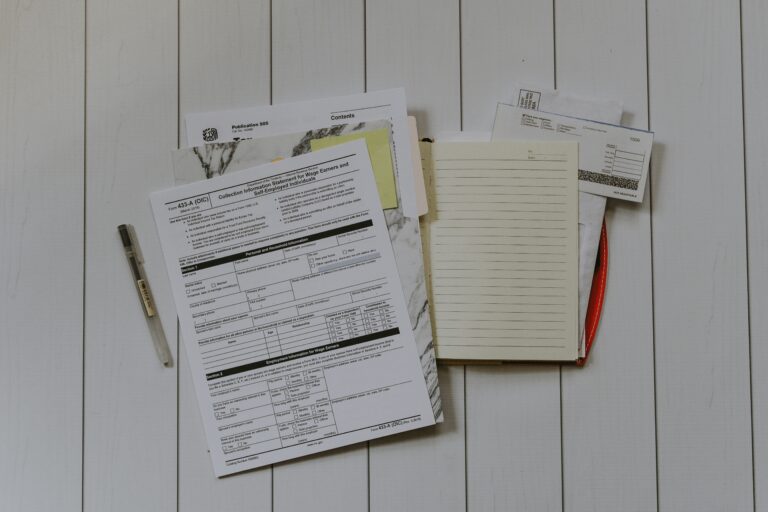
Enterprise Asset Audit Standards
Enterprise clients including Coca-Cola, FedEx, and DHL include asset documentation and inventory management assessment in facility audits — JAM's program ensures all records are current and available on demand when auditors ask.

Fixed Asset Accounting Standards
Generally accepted accounting principles require accurate fixed asset records for financial reporting — JAM's asset register provides the documented inventory and condition data that supports GAAP-compliant asset accounting and depreciation tracking.

OSHA 29 CFR 1910 — Equipment Safety Records
OSHA requires employers to maintain records of equipment inspections and maintenance — JAM's asset tracking program maintains the maintenance history and condition records that satisfy OSHA equipment documentation requirements.

ISO 55001 Asset Management
ISO 55001 provides the internationally recognized framework for asset management — JAM's tracking and lifecycle documentation practices align with ISO 55001 principles for systematic asset condition monitoring and lifecycle planning.
Always Stocked. Zero Scrambling. Ever.
JAM’s inventory assessment walks your facility, counts what’s actually on hand, identifies every supply with no par level or reorder process, and delivers a written program proposal — at no charge, no commitment required. Most facilities discover critical supplies with no reorder trigger in the first hour of assessment.
Seen Enough to Know We're the Right Fit?
Request a free facility assessment — no obligation, no pressure, just a real conversation about your needs.
- Asset & Inventory FAQ
Common Questions About Our Asset Program
Answers to the questions facilities managers and operations leaders ask most before starting an asset tracking and inventory program with JAM.
JAM's program covers: facility asset inventory and documentation, maintenance supplies and consumables tracking, par level management and reorder forecasting, usage monitoring and consumption analysis, vendor procurement coordination, asset condition monitoring and lifecycle tracking, periodic inventory audits and reconciliation, and regular asset and inventory reporting.
JAM tracks all facility-related assets and supplies including equipment and machinery, tools and maintenance equipment, furniture and fixtures, HVAC filters, cleaning chemicals, light bulbs, lubricants, replacement parts, and safety supplies. The program covers everything the facility owns and uses — not a curated subset.
A par level is the minimum stock quantity that triggers a reorder to prevent stockout. JAM establishes par levels based on consumption rates, lead times, and usage patterns — then monitors stock continuously. When stock reaches par, JAM coordinates procurement automatically so supplies are replenished before the shortage reaches operations.
JAM monitors asset condition through periodic physical inspections and by recording maintenance history, observed wear patterns, and age for every tracked asset. This supports capital planning by identifying assets approaching end of useful life before they fail — enabling planned replacement at standard pricing rather than emergency procurement.
Yes. When stock reaches par, JAM coordinates procurement from approved vendors — generating purchase requests, sourcing from preferred suppliers at negotiated pricing, and coordinating delivery. Procurement happens automatically at the correct reorder point without facility manager involvement in each individual purchase decision.
A physical audit is a count of actual on-hand stock reconciled against the tracked record. Discrepancies reveal shrinkage, misplaced supplies, and recording errors that create phantom stock — where the system shows supplies available but the shelf is empty when they're needed. JAM conducts periodic audits to keep the inventory record accurate and reliable.
Yes. JAM manages asset and inventory programs for multi-site clients including Coca-Cola, FedEx Express, and DHL Express across multiple Central Ohio locations. Multi-site programs benefit from standardized asset documentation formats, consolidated inventory reporting, and the ability to identify supply optimization opportunities across the full portfolio.
Maintenance technicians draw from tracked inventory when performing PM visits, usage is recorded against the asset being serviced, and asset condition observations during maintenance visits update the asset register. The result is a single connected system where maintenance history, asset condition, and supply consumption are all linked rather than tracked in separate silos.